Indoor Air Quality: Eco-Friendly Methods for a Healthier Home Environment
The Hidden Dangers of Poor Indoor Air Quality
As Americans increasingly find themselves spending more time indoors—working from home, attending virtual gatherings, or simply seeking refuge from the elements—the importance of indoor air quality cannot be overstated. The alarming report from the Environmental Protection Agency (EPA) reveals that indoor air can be up to five times more polluted than outdoor air. This statistic serves as a reminder that creating a healthy indoor environment is crucial for our well-being.
Numerous factors contribute to the deterioration of indoor air quality, some of which may surprise you. For instance:
- Household Cleaning Products: Many common cleaning supplies contain harmful chemicals that can release volatile organic compounds (VOCs) into the air, which may lead to respiratory issues and other health concerns. Manufacturers often use fragrances, preservatives, and colorants that contribute to these harmful emissions, making seemingly innocuous products surprisingly hazardous.
- Poor Ventilation: Homes that are not adequately ventilated can trap stale air filled with allergens, dust, and pollutants. This is particularly a problem in tightly sealed modern homes designed to conserve energy. Without a proper airflow, these contaminants linger and can exacerbate allergies and asthma.
- Humidity Levels: Maintaining the right humidity balance is critical. Excess moisture in the air promotes mold growth, which can produce allergens and trigger respiratory issues. In humid regions or during rainy seasons, this can become a significant concern.
Fortunately, there are several eco-friendly and practical methods to enhance indoor air quality, ultimately promoting a healthier living space. These strategies are not only beneficial for health but also contribute to a more sustainable environment, protecting the earth for future generations. Consider the following effective approaches:
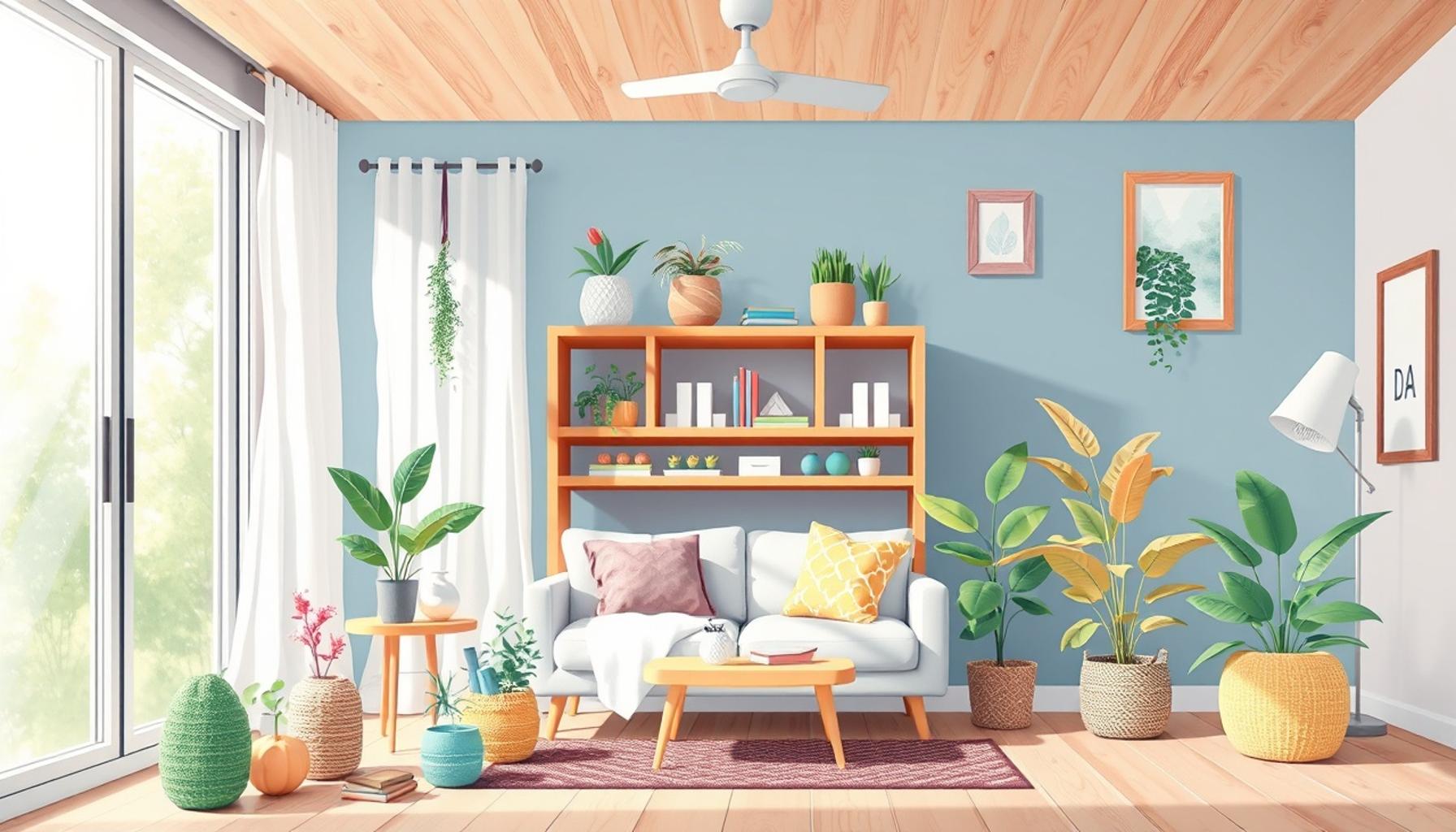
- Using Natural Air Purifiers: Incorporating houseplants like peace lilies, rubber plants, and spider plants can significantly improve air quality. These plants naturally filter toxins from the air while simultaneously adding aesthetic value to your home.
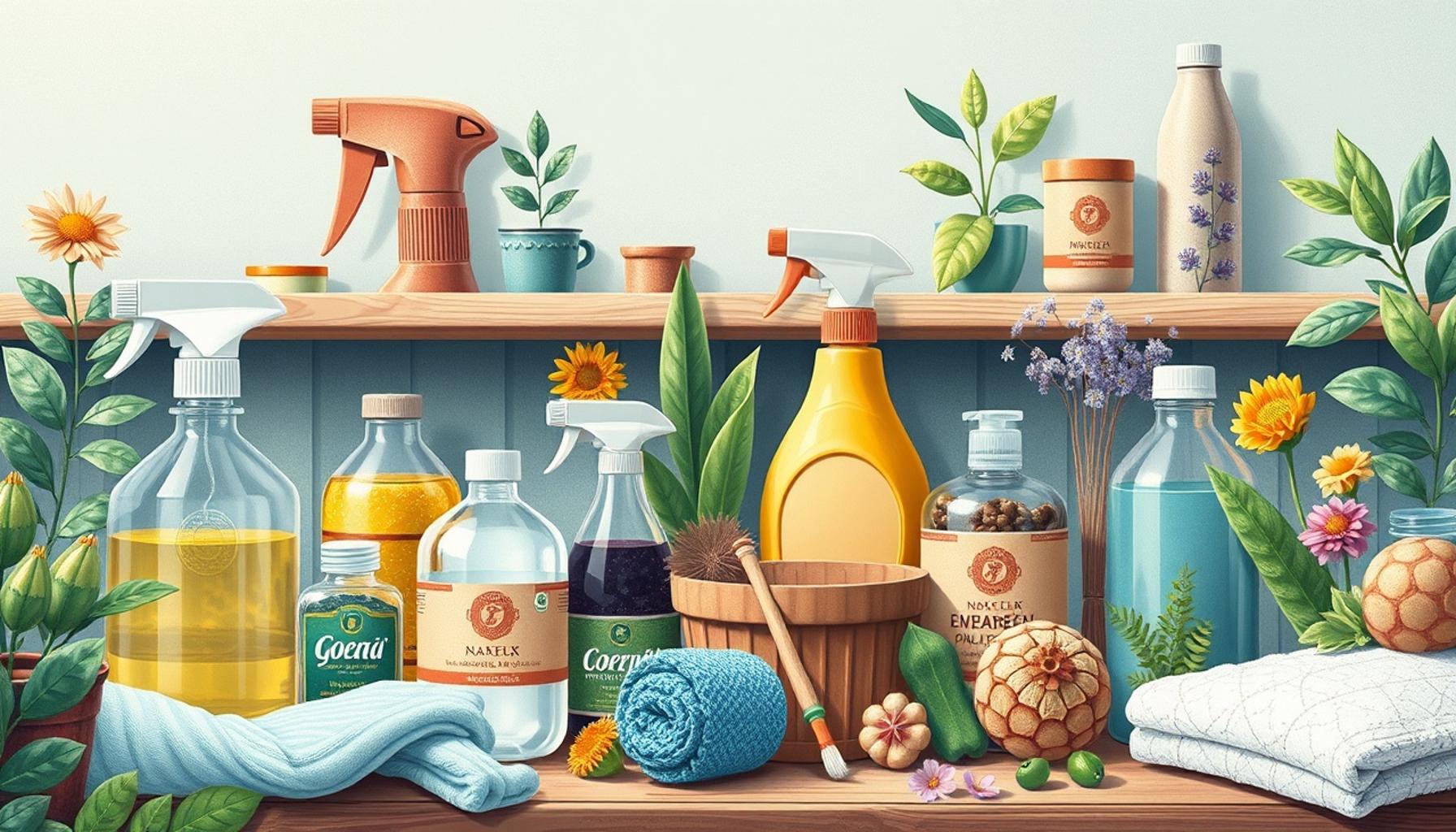
- Opting for Green Cleaning Products: By choosing biodegradable and environmentally friendly cleaning solutions, you can help reduce harmful chemical exposure for you and your family. Brands that focus on sustainability often have products that are just as effective as their chemical-laden counterparts without compromising air quality.
- Improving Ventilation: Simple techniques such as regularly opening windows, using exhaust fans in kitchens and bathrooms, and installing air exchange systems can facilitate the circulation of fresh, clean air throughout your home. Proper airflow helps in diluting indoor pollutants and maintaining a balanced atmosphere.
By adopting these eco-friendly practices, homeowners can not only enhance their indoor environment but also promote a lifestyle focused on health and environmental consciousness. As awareness about indoor air quality grows, it’s essential to explore these methods in detail and discover how each strategy contributes to a harmonious balance between comfort and environmental responsibility. Transforming your living space into a health haven begins with understanding and addressing the air we breathe.
DISCOVER MORE: Click here for tips on organizing your space
Transform Your Space with Natural Remedies
Improving indoor air quality doesn’t have to involve expensive filtration systems or complicated technology. In fact, some of the most effective solutions are found right in your own home or garden. By embracing eco-friendly methods, you not only enhance your living environment but also contribute to a sustainable future. Here are several practical approaches that can significantly elevate the air quality within your home:
- Investing in Indoor Plants: The therapeutic benefits of plants extend beyond aesthetics. Research has shown that certain houseplants, such as the Boston fern, snake plant, and spider plant, can absorb harmful toxins like formaldehyde and benzene. These plants act as natural air purifiers by converting carbon dioxide into oxygen, providing a dual benefit for your home.
- Utilizing Essential Oils: Ditch conventional air fresheners that are often loaded with synthetic fragrances and artificial chemicals. Instead, consider using essential oils such as tea tree oil or lavender, known for their antibacterial and antifungal properties. A diffuser can effectively disperse these oils into the air, not only purifying it but also creating a calming atmosphere within your home.
- Choosing Natural Fabrics: The materials used in your furnishings—such as carpets, curtains, and upholstery—can release VOCs. Opting for natural fabrics such as organic cotton, wool, or hemp can dramatically reduce these emissions. Moreover, many manufacturers now produce low-VOC or VOC-free options, allowing you to create a healthier environment without sacrificing style.
- Regular Maintenance of Ventilation Systems: HVAC systems can accumulate dust and mold over time, becoming a breeding ground for allergens. Regularly changing filters and scheduling cleanings can help maintain the efficiency of these systems while promoting better air circulation. Investing in HEPA filters can further enhance your air quality by capturing smaller particles that standard filters might miss.
By incorporating these eco-friendly methods, you take proactive steps towards not only improving indoor air quality but also ensuring a healthier living space for you and your loved ones. These strategies demonstrate a commitment to both personal health and environmental sustainability, aligning with a growing movement towards green living.
As you explore these options, remember that the journey to a healthier home environment lies in small, consistent changes. Whether you’re nurturing your green thumb with indoor plants or opting for sustainable materials, each decision plays a vital role in achieving cleaner, fresher air. The choices you make today can significantly impact your quality of life and contribute to a more responsible, eco-conscious future for generations to come.
| Advantages | Eco-Friendly Methods |
|---|---|
| Improved Health | Incorporating natural air purifiers like indoor plants can significantly enhance your indoor air quality. |
| Cost-Effectiveness | Using low-VOC paints and sustainable materials can reduce long-term expenses on healthcare and maintenance. |
| Environmental Sustainability | Opting for eco-friendly cleaning products can prevent harmful chemicals from entering the ecosystem. |
| Aesthetic Value | Integrating natural materials adds beauty to your home while promoting better air quality. |
The importance of indoor air quality cannot be overstated, particularly when implementing eco-friendly methods for a healthier home environment. Natural air purifiers, such as plants, not only improve air quality but also provide an appealing aesthetic to any room. This practice is part of a holistic approach to create a healthier living space.Another significant advantage is cost-effectiveness. By employing sustainable materials and low-VOC paints, homeowners can save on medical costs associated with poor air quality, alongside reducing the frequency of home maintenance. Investing in eco-friendly solutions contributes to an economic advantage as well as health benefits.Furthermore, choosing environmentally safe cleaning products helps maintain indoor air quality while preventing harmful substances from affecting the planet. A commitment to greener practices fosters a sustainable future while enriching personal living spaces. Thus, eco-friendly methods prove to be essential in transforming the home environment into a sanctuary of health.
DISCOVER MORE: Click here for eco-friendly cleaning tips
Enhancing Indoor Air Quality Through Simple Practices
In addition to incorporating plants and natural materials, there are further eco-friendly methods to maintain a healthier indoor environment. By implementing these straightforward practices, you can reduce pollutants, allergens, and odors, creating a living space that prioritizes your well-being and that of the planet.
- Emphasizing Proper Home Cleaning: The products you use for cleaning can significantly affect indoor air quality. Many commercial cleaners contain harsh chemicals that can release VOCs into the air. Transitioning to natural cleaning solutions, such as vinegar, baking soda, and lemon, effectively reduces these airborne contaminants. Additionally, frequent cleaning routines using microfiber cloths can capture dust and allergens efficiently, lessening their presence in your home.
- Maximizing Natural Ventilation: Improved air circulation is essential for lowering indoor pollutants. Whenever possible, open windows and doors to allow fresh air to flow through your home. This practice not only replenishes the air inside but also dilutes concentrations of indoor contaminants. If you live in a region where outdoor air quality is compromised, using exhaust fans in areas like kitchens and bathrooms can help mitigate humidity and odors without the need for chemical deodorizers.
- Implementing Humidity Control: High humidity levels can foster mold growth and exacerbates asthma and allergy symptoms. Aim to keep indoor humidity levels between 30% and 50%. Utilizing a dehumidifier can help maintain this balance, particularly in damp areas like basements. Regularly inspecting for leaks and ensuring proper ventilation in water-prone areas can also contribute significantly to humidity management.
- Eliminating Sources of Pollution: Being proactive about recognizing common sources of indoor pollution is key. Items such as burning candles, smoking indoors, or even certain cooking methods can release toxins into your home. Opting for cleaner options such as soy candles or electric diffusers can alleviate this issue. Additionally, adopting cooking techniques that minimize smoke and fume production, like using lids on pots and ensuring proper extractor fans, can further enhance air quality.
- Educating Yourself on Product Safety: Understanding the materials that compose your home and personal items ensures you are mindful of their individual contributions to indoor air quality. Look for products labeled as low-VOC or VOC-free. Familiarizing yourself with common indoor pollutants allows you to make informed decisions about everything from paint to home décor, leading to healthier choices for your home.
Implementing these strategies requires minimal resources and effort, yet their impact on indoor air quality and overall health can be profound. By consistently applying these eco-friendly methods, you pave the way for a living environment that supports your health while also being considerate of the earth. The cumulative effect of these practices leads to a cleaner, fresher home that resonates with vitality and well-being.
DISCOVER MORE: Click here to enhance your daily routine
Conclusion: Embracing a Healthier Indoor Environment
As we uncover the critical role of indoor air quality in our overall health, it becomes evident that adopting eco-friendly methods is not only a responsible choice but a necessary one. By implementing simple strategies for cleaner air, such as using natural cleaning solutions, maximizing ventilation, controlling humidity, and being mindful of pollution sources, homeowners can significantly enhance their living environments. It’s important to recognize that every small change contributes to a larger impact, promoting not only personal health but also environmental sustainability.
In the United States, where many households grapple with air quality issues indoors, these practices are especially pertinent. The transition to low-VOC products and healthier lifestyle choices can lead to a dramatic improvement in the air we breathe at home. Furthermore, fostering an awareness of common allergens and pollutants empowers individuals to make informed decisions, thereby curating a space that nurtures both body and mind.
Ultimately, caring for indoor air quality aligns with a broader commitment to sustainability and well-being. As we incorporate these eco-friendly methods into our daily routines, we can transform our homes into havens of health. The journey to a healthier home begins with awareness and a willingness to change, and the benefits can resonate long after these practices are established. Let us take the initiative today and create a living environment that truly reflects our commitment to wellness, both for ourselves and the planet.

Linda Carter
Linda Carter is a writer specializing in efficient house cleaning and maintenance. With extensive experience helping readers keep their homes clean, organized, and well cared for, Linda shares practical guidance on cleaning routines, household upkeep, stain removal, and time-saving methods. Her goal is to provide simple tips and effective strategies that make home care easier, faster, and more manageable.