Rhythms and Dances: A Cultural Itinerary through Nigeria’s Traditional Festivals
Discovering the Vibrancy of Nigeria’s Cultural Festivals
Nigeria is a remarkable country where each region is adorned with its distinct cultures and traditions. This rich cultural diversity is best showcased through its array of traditional festivals, occasions that serve as lively expressions of the nation’s heritage. These vibrant gatherings are not merely events on a calendar; they are communal experiences that breathe life into the stories, beliefs, and customs of various ethnic groups across the country.
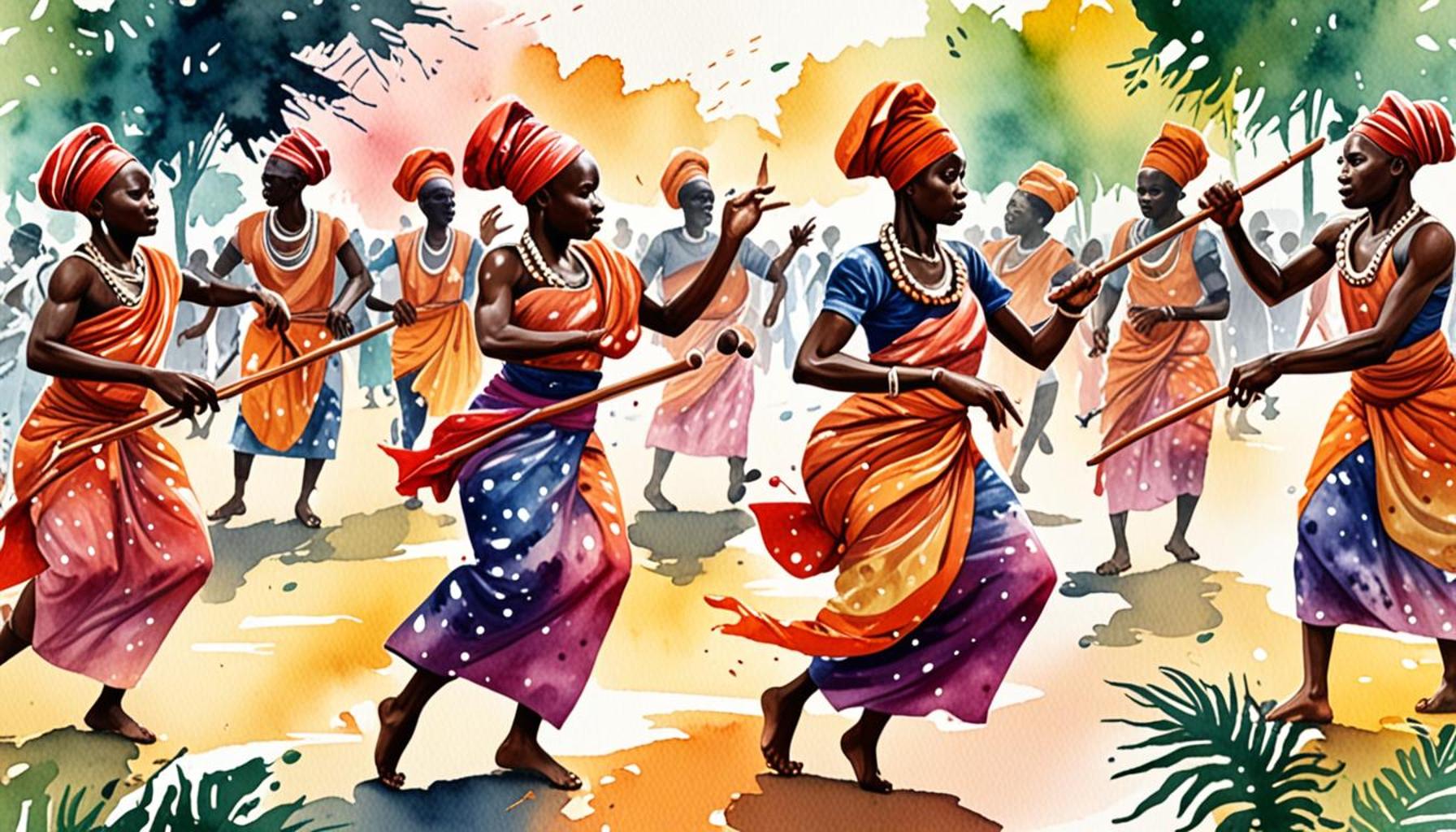
Every festival is a visual and auditory spectacle, intricately woven with elements that highlight the uniqueness of each culture. For instance, during these celebrations, attendees don colorful attire that represents their ancestral roots. From the radiant attire of the Yoruba, featuring elaborate aso-oke fabrics, to the intricate beaded necklaces of the Ibo community, each garment tells a tale. Such costumes do not just signify beauty; they embody history, status, and connection to the past.
Music and drumming play an essential role in these festivities, with sounds echoing from traditional instruments like the talking drum, shekere, and udu. The beats resonate deeply, inviting participants and spectators alike to partake in the joyous spirit of the moment. For example, the echoes of the drums at the annual Oshun-Osogbo Festival not only energize the crowd but also invoke spiritual reverence, as devotees honor the goddess Oshun, the river goddess of fertility and love.
Moreover, the art of dancing in Nigeria’s festivals is a profound expression of identity, with each ethnic group bringing forth its unique moves and styles. The energetic dances performed during the Argungu Festival in Kebbi, which celebrates fishing, are a stunning display of athleticism and grace. Participants flaunt their skills as they engage in friendly fishing competitions and showcase traditional dances that date back centuries.
These festivals are characterized by community participation, where everyone, from the youngest children to the oldest elders, contributes to the festivities. This inclusivity fosters a sense of unity and pride, binding communities together in shared heritage and celebration. During festivals like the Durbar in the north, spectators can witness the parade of beautifully adorned horses and camels, symbolizing strength and unity among the different tribes.
Exploring Nigeria’s traditional festivals offers a dynamic journey through time, culture, and the people. Each celebration reveals layers of history and artistry vital to the country’s identity. As we delve deeper into these exhilarating experiences, we not only celebrate the heritage of rhythms and dances but also acknowledge their importance in shaping the narrative of Nigeria’s past and present.
Engaging with these cultural itineraries invites us to appreciate the vibrant expressions of community life and the profound connection to our roots. Let the rhythms and colors of Nigeria’s festivals not just be a backdrop but a guide through the rich, multifaceted soul of this extraordinary nation.
SEE ALSO: Click here to read another article
Enchanting Forms of Expression: The Role of Music and Dance
Nigeria’s traditional festivals are a vibrant tapestry interwoven with the rhythms of music and the elegance of dance. Together, they serve not only as entertainment but also as profound cultural expressions that convey the values, beliefs, and stories of various ethnic groups. Whether celebrating harvests, marriages, or spirituality, music and dance embody the essence of communal life, creating an unbreakable bond among participants.
At the heart of these festivals lies the diversity of musical genres and the various instruments that characterize each region’s cultural identity. Here are some notable styles and instruments commonly featured during Nigeria’s traditional festivals:
- Juju Music: Originating from the Yoruba people, this genre blends traditional African rhythms with modern influences and often incorporates instruments like the guitar and talking drum.
- Highlife: With roots in Western Nigeria, where it continues to thrive, highlife combines traditional African melodies with jazz and swing elements, often played during celebrations.
- Afrobeats: A contemporary genre that has gained international acclaim, Afrobeats is frequently performed at festivals, uniting modern influences with traditional Nigerian sounds.
- Drumming: Across all ethnic groups, drumming remains a fundamental component, and instruments like the udu and shekere create rhythms that invite everyone to dance.
Dance, on the other hand, is an exquisitely visual element of these celebrations. Each ethnic group boasts its own traditional dance styles, reflecting their unique cultural heritage. For example, the Ekombi Dance of the Efik people is known for its elegant, flowing movements, often performed by women who portray the beauty and grace of their culture. In contrast, the Masquerade Dance among the Yoruba integrates colorful costumes with intricate choreography, bringing to life the spirits of ancestors and deities.
Another notable example is the traditional Gerewu dance performed during the Ibo New Year Festival. This energetic dance involves complex footwork and synchronization, symbolizing gratitude for a bountiful year and ushering in new beginnings. Variations of such dances not only entertain but also carry significant messages about community strength and resilience.
As festival participants unite in the rhythms of these dances, they create a powerful display of cultural solidarity. The sense of belonging and identity fostered during these events transcends generational gaps, encouraging youth engagement and appreciating their heritage. Festivals, such as the Yam Festival in the Ibo region, promote this dialogue between generations, as young people are taught the historical significance behind each movement and song.
By immersing into the captivating dances and melodious rhythms found in traditional festivals, observers become part of a living history that showcases the heart and soul of Nigeria’s diverse cultures. These events propel cultural preservation forward, ensuring that the teachings and customs of yesteryears continue to thrive amidst the hustle and bustle of contemporary life.
| Advantages | Cultural Significance |
|---|---|
| Experiencing diversity | Provides insight into Nigeria’s rich heritage and traditions. |
| Community involvement | Fosters unity and cooperation among different ethnic groups. |
Engaging in the Rhythms and Dances: A Cultural Itinerary through Nigeria’s Traditional Festivals offers a profound experience that can enhance one’s understanding of cultural diversity. The various festivals celebrate unique traditions and stories, inviting visitors to immerse themselves into the local customs and practices that have been preserved over generations. This connection to heritage allows individuals to appreciate the complexity of Nigeria’s sociocultural landscape.Moreover, participation in these festivals promotes community involvement. Festivals like the Osun-Osogbo and Calabar Carnival are not just showcases of art and music but also serve as platforms that unite different ethnic groups. Through rituals, performances, and gatherings, communities come together, fostering a sense of belonging and shared identity. As you explore these vibrant celebrations, the essence of Nigeria’s dynamic culture unfolds, encouraging a deeper appreciation for its historical and social contexts.
CHECK OUT: Click here to explore more
The Vibrancy of Visual Artistry: Costumes and Masquerades
No exploration of Nigeria’s traditional festivals would be complete without delving into the striking costumes and the mesmerizing masquerades that enrich each celebration. These elements not only enhance the visual spectacle of festivals but also serve as symbols of communal identity, heritage, and spiritual representation.
Costumes at traditional festivals are often a kaleidoscope of colors, fabrics, and textures, intricately designed to reflect the cultural significance of the event. For instance, during the Durbar Festival celebrated in Northern Nigeria, horse riders don elaborately embroidered outfits adorned with vibrant colors that signify nobility and cultural pride. The blend of silk, brocade, and local textiles creates a feast for the eyes, evoking a sense of regality befitting the time-honored traditions of the region.
In the southeastern region, particularly during the New Yam Festival, the attire worn by participants is often decorated with traditional beadwork and patterned fabrics that honor ancestral spirits and celebrate the harvest. Each piece of clothing tells a story, connecting the wearers to their ancestry and underscoring the importance of familial bonds in Nigerian culture.
Masquerades, too, are a vital aspect of Nigeria’s traditional festivals. They serve as mediators between the living and the spiritual realm, embodying the values, morals, and histories of ethnic groups. The Ekpo Masquerade, an integral part of the Efik culture, is renowned for its elaborate masks and costumes that symbolize the spirits of the ancestors. The vibrant performances, rich with intricate movements and powerful beats, highlight community unity while promoting moral values.
Another notable example is the Oro Festival, which sees the emergence of masked figures that invoke the spirits of the land. Men donning these masks are believed to possess otherworldly powers, guiding the community in rituals that honor past deities and ancestors. This event serves not only as entertainment but also as a solemn reminder of cultural continuance and the importance of spiritual heritage.
Colors in these costumes hold particular significance as well. Bright reds may symbolize strength, while deep blues can represent spirituality and depth. This rich palette plays a crucial role in conveying messages of hope, unity, and remembrance during festivals. Each festival is an opportunity for a greater connection to these age-old traditions, supporting the belief that attire is an extension of self and heritage.
Moreover, traditional festivals often feature children and young adults in their staging, empowering the next generation to understand and participate in their heritage. This aspect not only reinforces cultural transmission but also ignites pride within the youth, encouraging them to embrace their cultural roots amidst modern influences.
As festival-goers witness these stunning displays of costumes and masquerades, they become part of a larger narrative—a chronicle of resilience, identity, and unity expressed through the vibrant rhythms of dance and music. Each masquerade performance and attire resonates with stories that transcend the boundaries of time, reinforcing the importance of maintaining these cherished traditions within the fabric of Nigeria’s cultural landscape.
YOU MAY ALSO LIKE: Read read another article
Conclusion: A Tapestry of Culture Woven Through Dance and Rhythm
Nigeria’s traditional festivals stand as a vibrant testament to the nation’s rich cultural tapestry, where rhythms and dances serve not merely as forms of entertainment, but as vital expressions of identity, history, and community beliefs. From the spirited movements at the Ogun Festival in the southwest to the soul-stirring drumming of the Ajisafe Festival in the north, each festival encapsulates the essence of the diverse ethnic groups that make up Nigeria. This cultural itinerary invites all to delve into the profound meanings behind the dances and celebrations, revealing how they nourish the spirit and foster unity among participants.
The detailed artistry of costumes and the enigmatic allure of masquerades further enrich the experience, offering a glimpse into the narratives that define each community. Through intricate designs and symbolic colors, these elements narrate stories of ancestry and heritage, binding generations together in a shared cultural legacy. As younger generations step up to participate in these festivals, they not only connect with their ancestors but also take active roles in the preservation of their cultural heritage, ensuring that the rhythms of their forebears continue to resonate in the modern world.
Ultimately, Nigeria’s traditional festivals are far more than periodic events; they are vibrant celebrations of life, history, and community where every dance step, every rhythm played, and every costume donned contributes to a profound understanding of what it truly means to be part of this remarkable nation. As we continue to explore these captivating cultural expressions, we are reminded of the power of dance and music to transcend boundaries, foster unity, and celebrate the rich heritage that defines Nigeria. It invites us all to join the dance, to feel the rhythm, and to embrace the cultural richness that unites us in celebration.