Hospitality Experiences: An Itinerary of Welcoming and Traditions in Nigerian Villages
Discover the Heart of Nigeria’s Hospitality
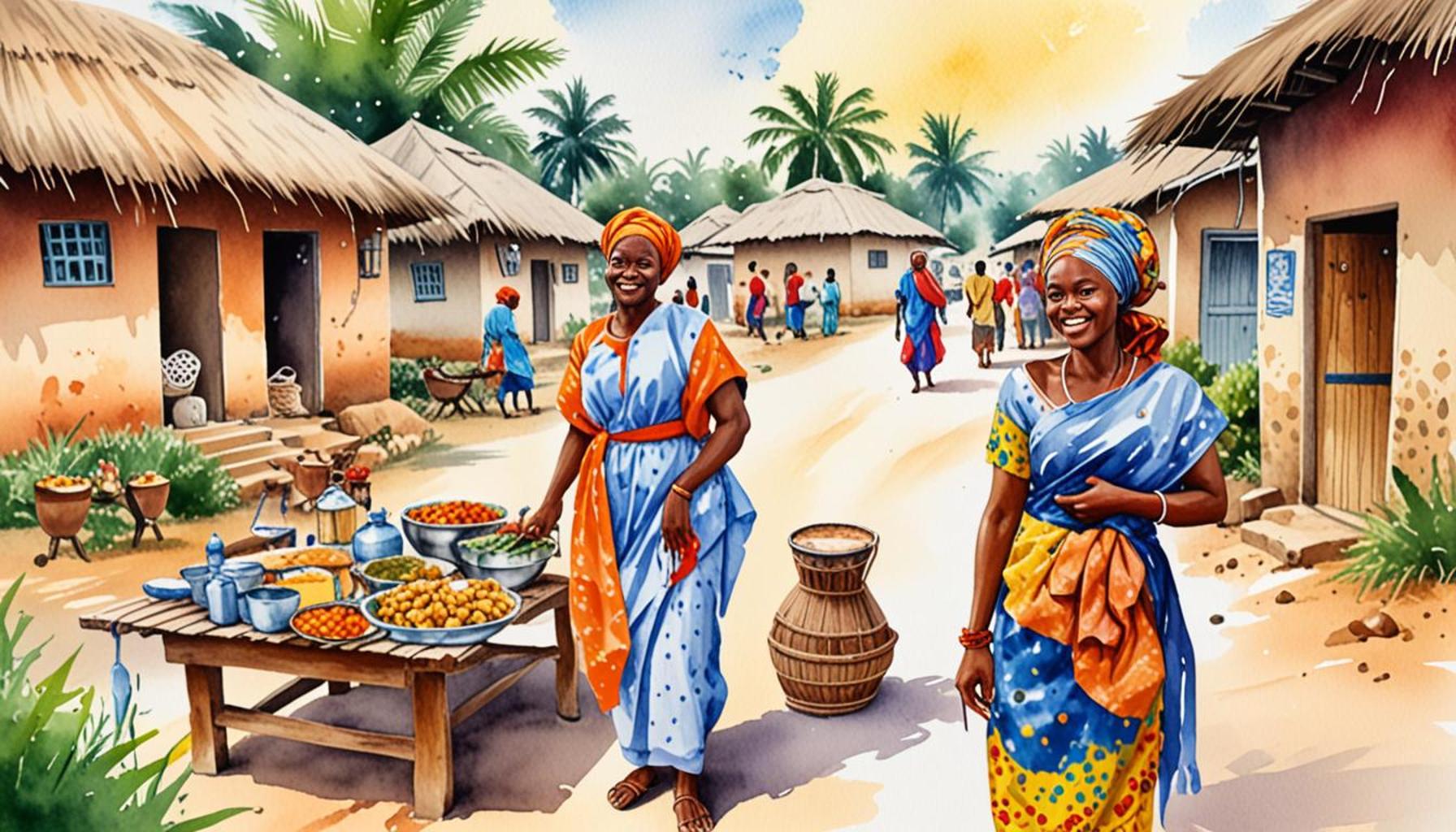
Nigerian villages are a treasure trove of culture, where time-honored traditions and hospitality intertwine seamlessly. This unique aspect of Nigerian life is not just about welcoming guests; it embodies a spirit of togetherness and communal warmth that transcends generations. As you delve into these serene communities, you will uncover the essence of Nigerian hospitality that illuminates the cultural landscape.
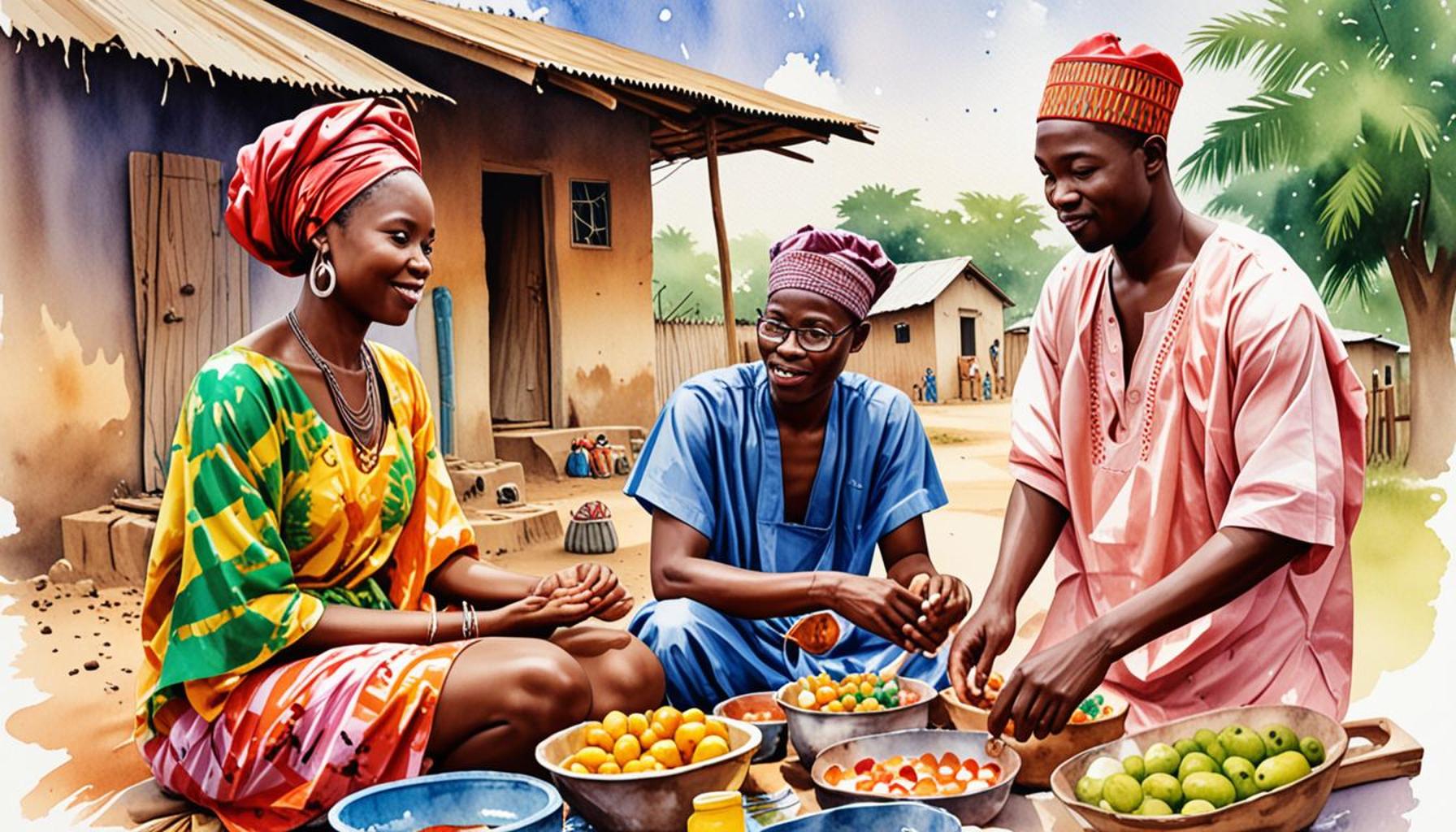
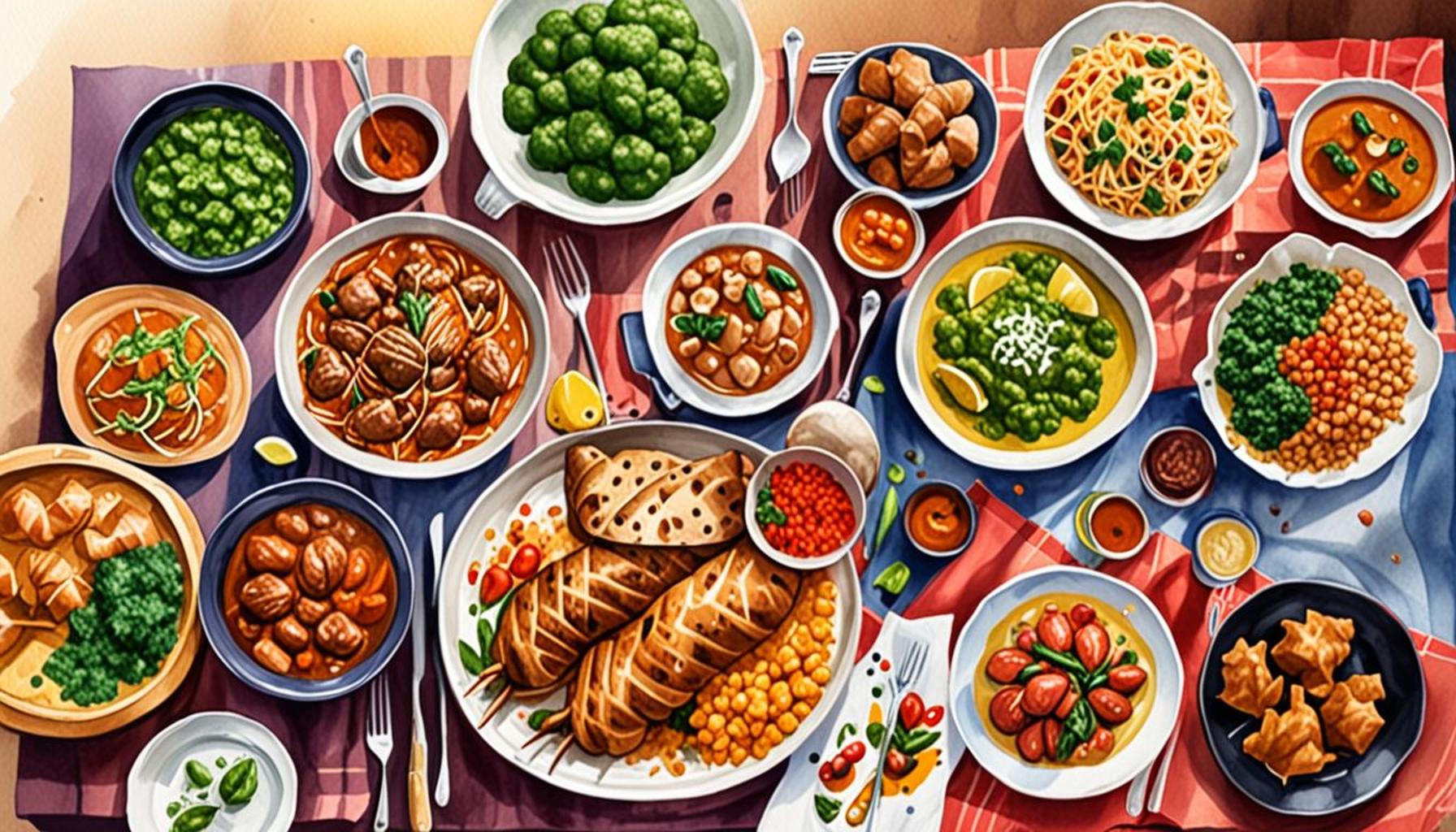
One of the most delightful aspects of visiting Nigerian villages is the opportunity to savor traditional meals, which are a true reflection of the rich culinary heritage. Visitors will find themselves enchanted by the vivid flavors of jollof rice, a beloved West African dish often served at celebrations, characterized by its well-seasoned rice cooked in a vibrant tomato sauce. Another staple is pounded yam, which is best enjoyed with various soups, including egusi soup, made from ground melon seeds and often enriched with meat or fish. These dishes are more than just food; they symbolize hospitality and community, often prepared with love by village families who take pride in sharing their culinary skills.
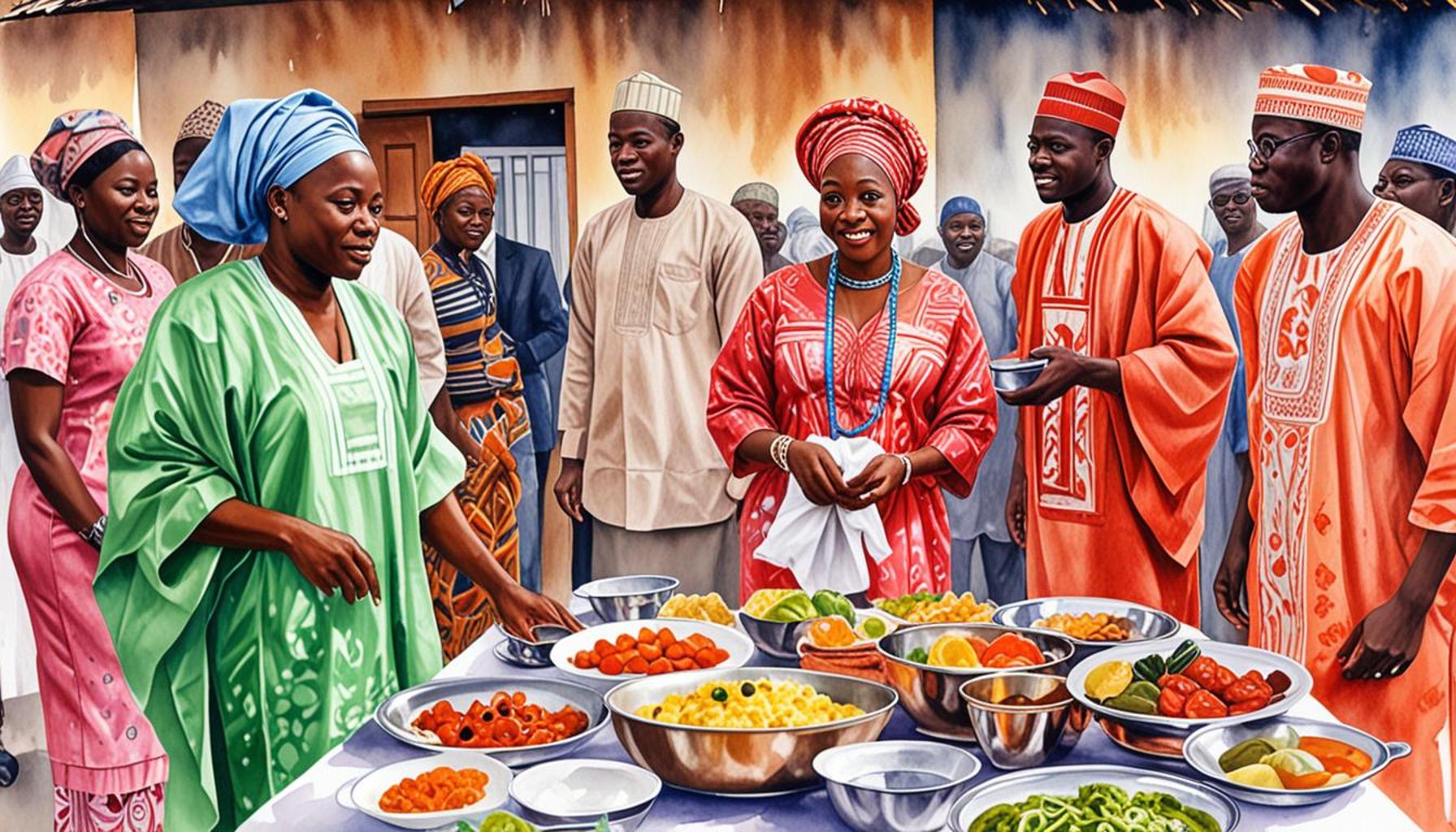
Upon arrival in a village, you are greeted with an warmth that is palpable. The traditional greetings often feature a firm handshake or a hearty embrace, signifying mutual respect and friendship. These greetings foster connections that go beyond the surface, creating bonds that often last long after the visit is over. A simple “Welcome!” resonates deeply with the host as they genuinely desire to make you feel at home.
Engaging with Cultural Festivals
Nigeria is renowned for its vibrant cultural festivals, which serve as a lively backdrop for experiencing local hospitality. Events such as the Osun-Osogbo Festival, dedicated to the river goddess Osun, draw visitors from around the world with their colorful parades, traditional music, and performances. Similarly, the Argungu Festival celebrates fishing and showcases a plethora of cultural exhibits, allowing visitors to immerse themselves in the joyful spirit of a united community.
The Art of Storytelling
An essential component of Nigerian village life is the art of storytelling, a practice that captivates both young and old. Storytellers weave narratives that convey historical lessons, cultural values, and moral teachings, often drawing on the rich oral traditions passed down through generations. As visitors, sharing in these tales not only enriches personal experience but also honors the heritage of the community.
The itinerary through these villages promises to unveil cherished customs and age-old traditions, each reflecting a tapestry of stories waiting to be shared. This cultural expedition invites you to engage deeply with the local way of life, establishing connections that bridge generations and strengthen the fabric of community.
Embark on this transformative journey through Nigeria’s villages, and discover the profound significance of hospitality experiences that celebrate togetherness and friendship. Each moment spent in these communities is not just a glimpse into their lives but a heartwarming reminder of the universal bonds that connect us all.
CHECK OUT: Click here to explore more
A Culinary Journey Through Nigerian Villages
The heart of Nigerian hospitality beats strongest through its food, where communal meals are not just nourishment but a ritual that fosters bonds and builds connections. When you visit a village, you are bound to be treated to an array of traditional dishes that mirror the vibrant culture of the community. The food itself serves as a testament to the welcoming nature of the people, often highlighting regional ingredients and age-old cooking techniques.
Fufu, a staple carbohydrate made from fermented cassava or yams, is usually served alongside rich, flavorful soups. Each region has its own take on the meal, with variations like ofada rice served with the spicy ofada sauce in the southwest or the sumptuous efo riro, a vegetable soup that bursts with local herbs in the Yoruba tradition. Visitors are often encouraged to gather around the pot, as sharing meals in this manner creates an intimate setting that brings everyone closer together.
Embracing the Rituals of Hospitality
Upon entering a village, the welcoming rituals can be nothing short of enchanting. It’s customary to be led to a sitting area adorned with traditional mats, often under a sprawling tree that serves as a natural meeting point for villagers. The host may offer guests a refreshing drink, such as zobo, a herbal tea made from hibiscus flowers, or palm wine, tapped fresh from the palm tree. These gestures are not mere formalities; they symbolize a deep-rooted tradition of generosity and respect.
Villagers often engage in a series of welcoming ceremonies that may include:
- A traditional dance that reflects the local culture, performed in your honor.
- Storytelling sessions that share the village’s history, enlightening guests on their heritage.
- Artisan showcases featuring textiles, carvings, and crafts that highlight the creativity and craftsmanship of the community.
Through these activities, hospitality becomes an art form, transforming a mere visit into an enriching experience. Whether it’s the laughter shared over a meal or the songs sung during a traditional dance, each moment serves to weave visitors deeper into the community’s fabric.
The Significance of Local Markets
A visit to a local market is essential for fully experiencing Nigerian hospitality. Markets are bustling hubs of activity, replete with fresh produce, local spices, and handmade goods. Participating in market transactions not only gives insight into the village’s economy but also provides an opportunity for visitors to interact with local artisans and traders. Engaging with the market scene can lead to further invitations for home-cooked meals or tea ceremonies, as shop owners delight in sharing their lifestyle and culture.
In summary, the hospitality experiences within Nigerian villages are infused with culinary delights, communal rituals, and vibrant market experiences. Each moment is an invitation to partake in a culture where sharing is at its core, fostering relationships that pave the way for deeper understanding and appreciation. As you traverse through these rich landscapes, be prepared for a heartwarming journey that goes beyond mere observation into active participation—a tapestry of togetherness woven from generations of tradition.
Discover the Unmatched Hospitality of Nigerian Villages
In the heart of Nigeria, the essence of hospitality transcends mere tradition; it embodies a way of life. Visitors are often embraced by locals who are eager to share their customs and lifestyle, offering a personal glimpse into a rich cultural tapestry. From the moment one steps into a village, they are welcomed with open arms, as the traditional mantra of “a visitor is a blessing” echoes through the vibrant communities. Such warmth forms the cornerstone of the unforgettable experiences that travelers encounter while exploring Nigeria’s countryside.Nigerian villages celebrate their hospitality through an array of traditional rituals and ceremonies. Festivals are often hosted in honor of visiting guests, featuring enchanting music, dance, and local delicacies. Participants may find themselves immersed in colorful parades and engaging storytelling sessions that serve to educate about the history and significance of the local culture. This hands-on interaction allows visitors to forge genuine connections, leaving a lasting impression that often turns a mere trip into a journey of emotional exploration.The daily life in these villages offers a stark contrast to the fast-paced urban locale, allowing one to appreciate the simplicity and authenticity that comes with rural living. Engaging in activities such as farming, craft making, or even cooking alongside friendly locals adds depth to any itinerary. These experiences not only reveal the nuanced practices integral to village life but also create memorable and enriching interactions that define what it means to truly connect with another culture.
The Impact of Nigerian Traditions on Hospitality
A vital aspect of Nigerian hospitality lies in the unique traditions that accompany it. From communal meals that celebrate togetherness to storytelling sessions that share lessons from the past, each interaction is steeped in meaning. The intricacies of traditional hospitality are further highlighted in practices such as the sharing of ‘Kola nuts’, a ritual that symbolizes peace and friendship among guests and hosts alike.In immersing oneself in these vibrant customs, visitors come to appreciate not just the hospitality, but also the profound communal spirit that exists in every village. It is this intertwining of tradition and hospitality that captivates the hearts and minds of those who partake in such enlightening experiences. The rich flavors, dynamic rituals, and the welcoming spirit of the people contribute to creating an itinerary that resonates long after one departs, ensuring that the memories of Nigeria’s villages endure in the soul.
| Category | Advantages |
|---|---|
| Authentic Cultural Experiences | Engagement in local traditions fosters a deep understanding of cultural heritage. |
| Warm Welcomes | Visitors are treated as family, promoting a strong sense of community. |
Through these interactions with the friendly residents, visitors not only witness but also partake in the mosaic that forms the backbone of Nigeria’s delightful traditions. Such hospitality experiences are invaluable, enticing travelers to return and explore more of the hidden gems nestled within Nigerian villages.
SEE ALSO: Click here to read another article
Community Engagement and Cultural Exchange
One of the most captivating aspects of hospitality in Nigerian villages lies in the community’s openness to cultural exchange. Visitors are often greeted not just as guests, but as members of the extended family, invited to exchange stories, share experiences, and participate in communal activities. This ethos of togetherness transforms a simple visit into a rich cultural exchange, allowing visitors to immerse themselves in the authenticity of village life.
Participating in Traditional Festivals
Timing your visit to coincide with a traditional festival can amplify your hospitality experience. Festivals such as the Osun-Osogbo Festival in Osogbo or the New Yam Festival in the Igbo lands are wonderful opportunities for visitors to witness the vibrant expressions of culture, spirituality, and community pride. These celebrations often feature colorful parades, drumming, dancing, and performances that invite everyone to partake.
In these ceremonies, you might find yourself dancing alongside villagers or participating in age-old rituals that honor deities and ancestors. The sense of belonging is palpable, as even non-locals are welcomed to join in, mirror the cultural practices, and forge bonds with the community. Through these shared experiences, visitors can gain a deeper understanding of the values and traditions that define each unique village.
Crafting Connections Through Arts and Craft
Nigeria’s rich artistic heritage is evident in its crafts, which serve dual purposes of aesthetics and storytelling. Traditional artisans are keen to showcase their skills, whether it’s weaving intricate patterns on traditional fabrics, sculpting figures from clay, or carving detailed woodworks. Visitors can engage in hands-on workshops, learning techniques from skilled craftsmen. This participation fosters a reciprocal exchange where artisans share their knowledge while visitors appreciate the significance of their work.
- Pottery Workshops: Learning to mold clay into traditional pots can provide insight into the functional and ceremonial uses of pottery in the village.
- Textile Weaving: Engaging in weaving sessions allows guests to understand the intricate process of creating traditional attire, such as the beautiful aso ebi used in celebratory events.
- Wood Carving: Under the guidance of local carvers, visitors can create their own wooden sculptures, connecting with the spiritual philosophies embedded in the art.
This melding of personal involvement and the transfer of skills contributes to a layered understanding of the community’s history, values, and aspirations, highlighting the richness of Nigerian traditions.
Storytelling and Oral Traditions
Storytelling remains a cornerstone of cultural expression in Nigerian villages, offering visitors a glimpse into the community’s soul. Elders often gather in the evenings to recount tales that echo the history, beliefs, and lessons of the past. These sessions are not only entertaining but educational, as they bridge generational gaps and preserve valuable oral traditions.
Visitors are encouraged to ask questions, share their own stories, and reflect on the narratives presented. Through this sharing, a deeper bond is formed, marking the visit as a mutual exchange rather than a static observation. Such evenings around the fire, filled with laughter and wisdom, encapsulate the essence of Nigerian hospitality—where every story told serves as a vital thread in the fabric of community culture.
The hospitality experiences in Nigerian villages extend beyond mere indulgences; they foster connections and cultural exchanges that resonate long after visitors depart. Through actively engaging with the community, one discovers that the true essence of Nigerian hospitality lies in shared moments, collective memories, and the warmth of human connection.
YOU MAY ALSO LIKE: Read read another article
Embracing the Heart of Nigerian Hospitality
In conclusion, the hospitality experiences within Nigerian villages offer an unparalleled journey into the heart of the country’s culture and traditions. The essence of this journey is encapsulated in the warmth of community bonds, the rich tapestry of cultural festivals, and the vibrant expressions found within arts and crafts. Visitors are not merely observers; they become an integral part of a larger narrative, one that connects them to age-old practices and shared values.
Whether you find yourself dancing at a lively New Yam Festival or participating in a pottery workshop that reveals the intricacies of local craftsmanship, each moment is an opportunity for deep immersion. Furthermore, engaging with the elders during storytelling sessions provides insight into the wisdom and traditions that shape community identity. As you partake in these experiences, you enrich your understanding of not only the local culture but also your place within this global mosaic.
Nigerian villages stand as a testament to the power of hospitality that transcends simply providing shelter or food; it invites every guest to forge lasting connections and create memories that celebrate the beauty of human interaction. As you contemplate your next adventure, consider stepping into the vibrant world of Nigerian villages, where every visit promises to be a cherished chapter in your personal journey of cultural discovery.