Hospitality Rituals: Experiencing Traditional Reception in Nigerian Communities
The Heart and Soul of Nigerian Hospitality
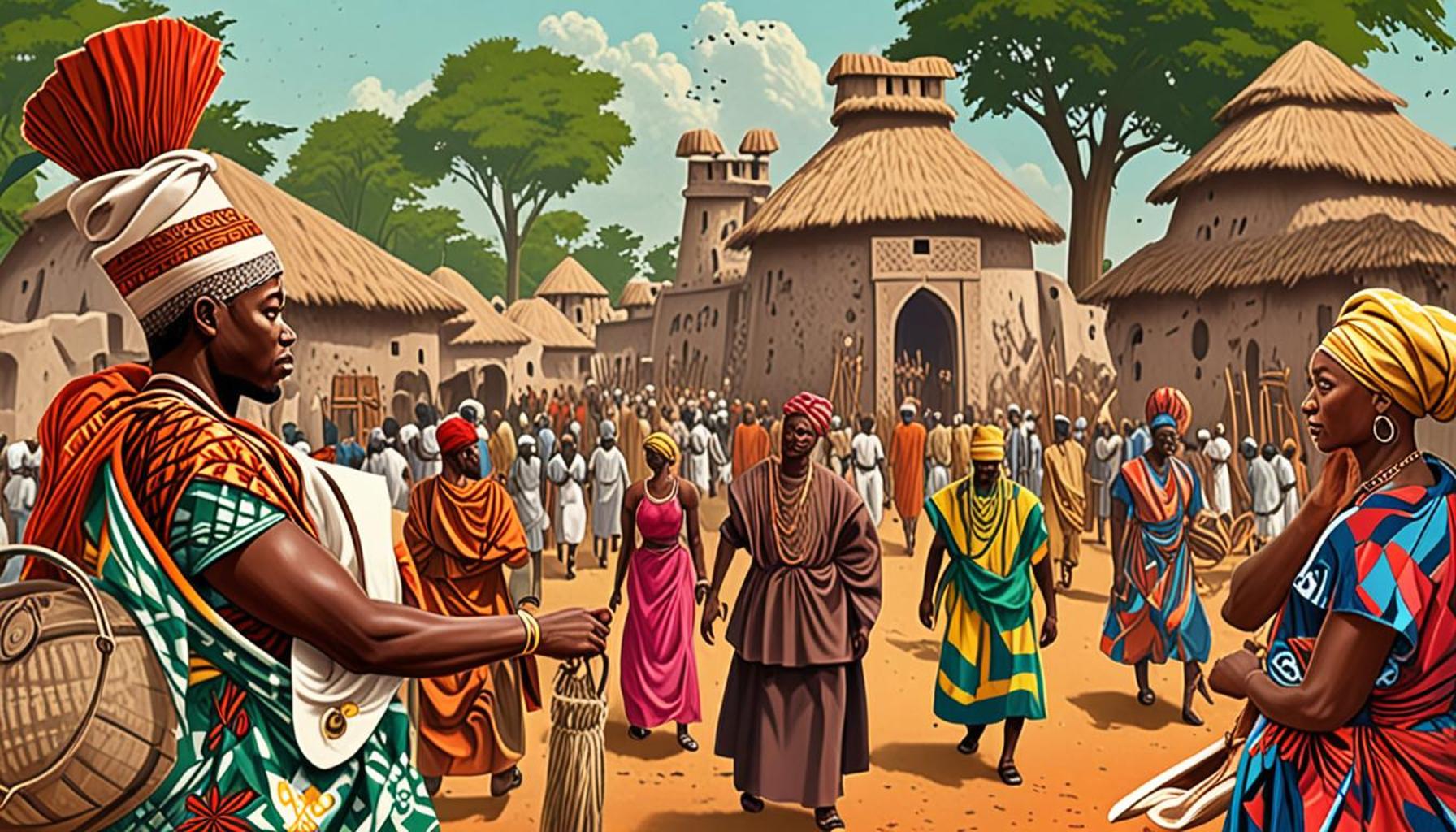
Hospitality in Nigeria transcends mere politeness; it embodies a cultural legacy where welcoming guests is regarded as both an art and a rite. Within the borders of this diverse nation, every community proudly showcases its particular customs, which transform what might seem like an ordinary visit into a vibrant and lasting memory for both host and visitor.
- Community Involvement: In many Nigerian cultures, hospitality cannot exist in isolation; it thrives on community participation. For instance, in various ethnic groups, such as the Yoruba and the Igbo, the entire village often comes together to prepare for a guest’s arrival. This collective effort enhances relationships and illustrates the communal nature of Nigerian life. Weddings or cultural celebrations often involve collaborative preparation that reinforces bonds among community members.
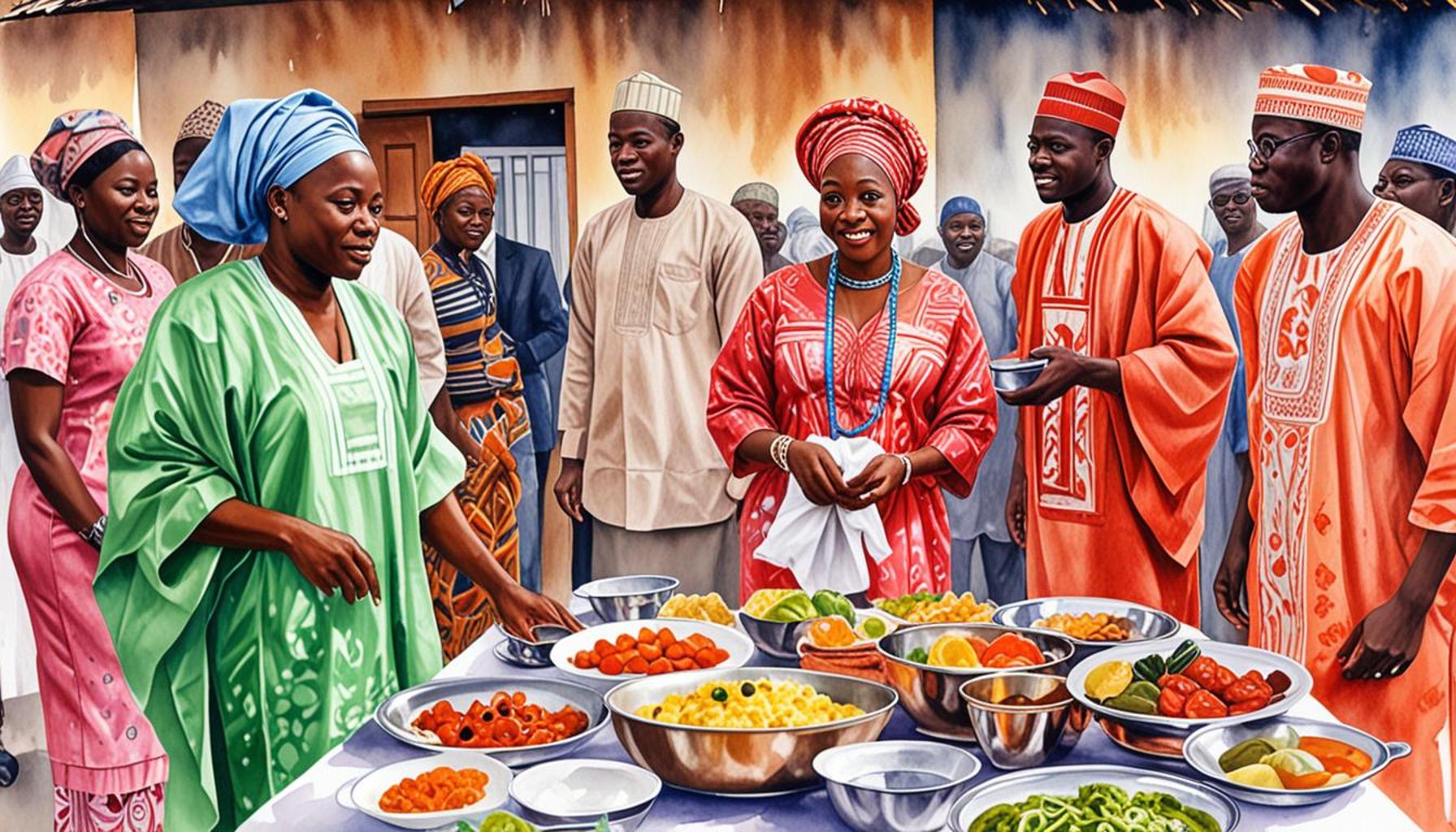
- Traditional Offerings: Upon arrival, guests are frequently greeted with an array of locally prepared dishes, which speak volumes about the region’s culinary diversity. For example, a visitor in the North might be treated to the savory delights of tuwo shinkafa (a rice dish) served with miyan kuka (baobab leaf soup), while in the South, jollof rice paired with spicy chicken might be the norm. Such meals are not only delicious but also symbolize the host’s respect and care for their guests.
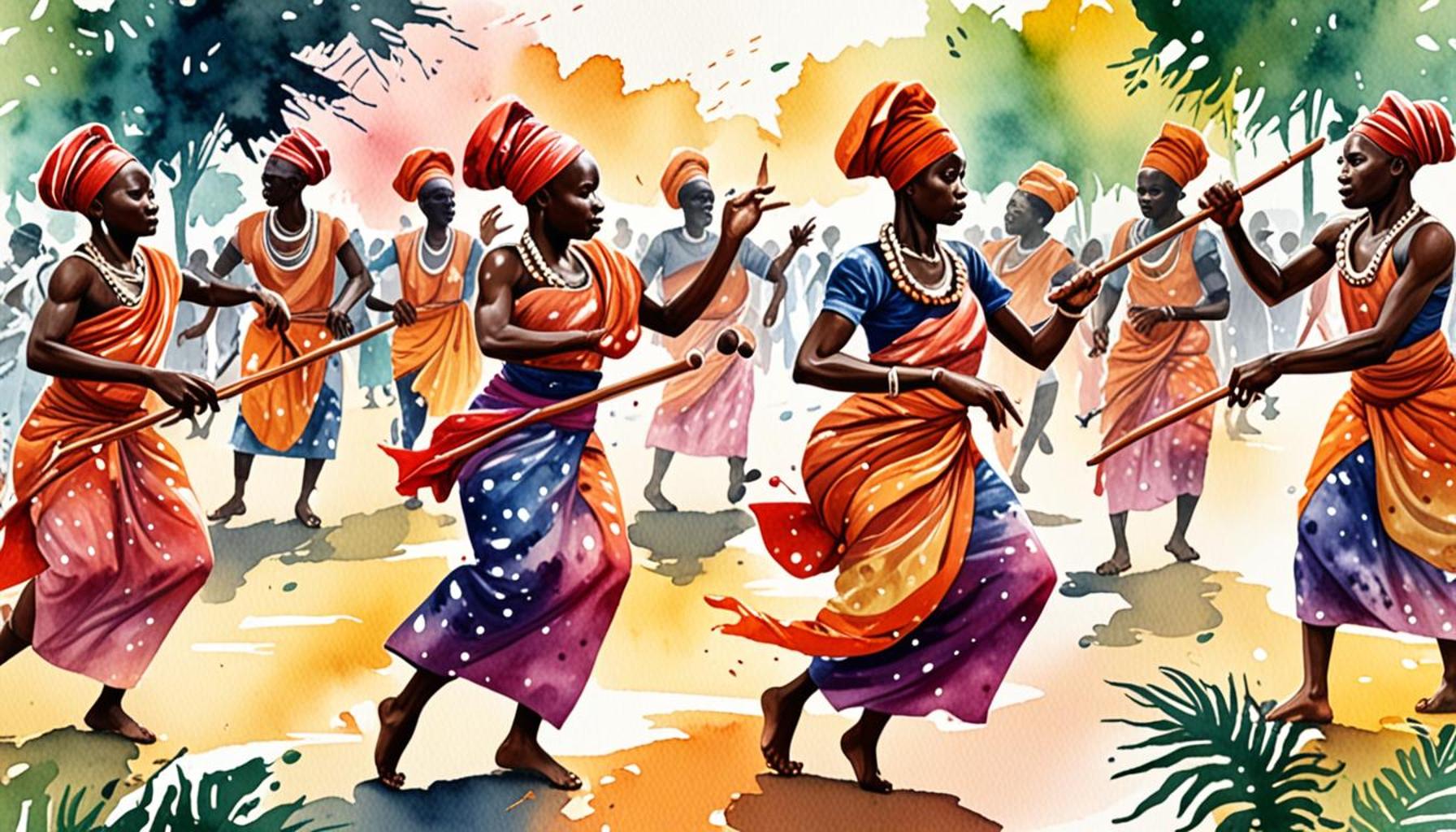
- Festive Atmosphere: Beyond food, Nigerian hospitality is deeply intertwined with celebration. Music often fills the air, and traditional dances are spontaneously performed, showcasing local talent and drawing guests into the revelry. In some communities, elders narrate rich tales steeped in tradition, ensuring that cultural narratives are passed down through generations, fostering a sense of belonging and identity.
From the bustling cityscape of Lagos to the tranquil, picturesque settings of the northern villages, Nigeria’s rich tapestry of hospitality practices reflects the nation’s overarching values of generosity and respect. These customs serve not only as a welcome to foreign visitors but also as a unifying force among locals, bringing people together across various divides.
Exploring these hospitality rituals reveals a deeper understanding of the threads that bind Nigerian society. Whether it is through the generous portions at gatherings or the infectious joy during dance celebrations, the vibrancy of Nigerian hospitality stands out as a reflection of a nation that cherishes its roots while simultaneously welcoming the world. Dive deeper into this rich cultural landscape, and you may find yourself captivated by the true essence of what it means to be Nigerian—where hospitality is a way of life.
LEARN MORE: This related article may interest you
Uniqueness of Local Customs in Welcoming Guests
In Nigeria, the rituals of hospitality are not merely actions; they are intricate displays of culture that tell stories of heritage and community pride. Each region offers its unique twist to hospitality, making every visit a distinct experience defined by local traditions. These customs are so deeply ingrained that they have become synonymous with the notion of community identity.
When visitors arrive in a Nigerian community, they are often met with a series of elaborate customs that serve both to honor the guest and to reinforce social bonds. For example, in the Yoruba culture, it is customary for guests to greet elders with a prostration or a deep bow, signifying respect and the recognition of social hierarchy. This act is followed by an album of music played on traditional drums, setting the stage for an immersive experience that engages all the senses.
The Ritual of Gifts
Within many Nigerian communities, the exchange of gifts is a vital part of the welcoming process. Guests can expect a ceremonial offering of items that hold significance, reflecting the host’s background and intentions. Common ritual gifts might include:
- Food and Drinks: Often presented in beautifully arranged trays, traditional meals symbolize generosity and are a central element in honoring the guest.
- Handcrafted Items: Locally made crafts, such as woven textiles or carved figurines, are presented to impart a tangible memory of the visit and highlight local artisanship.
- Herbal Remedies: In some cultures, traditional healers might offer herbal infusions or potions, showcasing the rich knowledge embedded in indigenous healing practices.
The emphasis on mutual respect resonates powerfully through these customs, as every gesture contributes to fostering a warm and inviting atmosphere. Particularly among the Igbo people, where cultural festivals are marked by elaborate displays, the enchanting rituals surrounding hospitality are packed with symbolism. During events such as the New Yam Festival, visitors are treated not just as guests; they become part of a vibrant community celebration, eager to engage with local traditions.
A Warm Welcome Through Language and Tradition
Language also plays a pivotal role in hospitality rituals. Greetings are often infused with poetic expressions, with hosts welcoming guests through sincere and eloquent language that articulates their joy at the visit. This linguistic richness serves to deepen the connection, allowing guests to feel embraced by the culture.
Nigerian hospitality is not just about the act of welcoming; it encapsulates a way of life where every interaction is steeped in tradition and meaning. Through these rituals, communities not only preserve their cultural heritage but also extend an invitation for the world to experience their way of living. It is a testament to the idea that every visit can transform into a shared journey, where roots are honored and friendships flourish.
| Cultural Significance | Traditional Practices |
|---|---|
| Warmth and Welcome | Hospitality in Nigerian communities is symbolized by the ritual of offering food and drinks to guests as a mark of respect and esteem. |
| Community Bonds | These receptions fortify social ties and foster a sense of belonging, essential to the cultural fabric of communities. |
| Ritual Elements | Guest Esteem |
|---|---|
| Traditional Dance | Performing traditional dancing during receptions enhances cultural identity and expresses joy in welcoming guests. |
| Gift Giving | The act of offering gifts symbolizes honor and appreciation, deepening the guest’s connection to the host. |
Now, let’s delve deeper into the intricacies and profound impacts of these hospitality rituals. Each welcoming ceremony is rich with stories and practices that illustrate the heart of Nigerian culture. Particularly, upon entering a household, visitors may be greeted with a pounding of drums, which ignites a festive spirit, embodying the community’s exuberance. Such practices are not merely for show; they serve to reinforce social structures and convey the high regard held for visitors. Understanding these customs transports one into the milieu of Nigerian life, opening doors to historical narratives woven by generations past.
LEARN MORE: This related article may interest you
Marking Life Transitions Through Hospitality
The hospitality rituals found in Nigerian communities extend beyond the mere act of welcoming into the realm of marking significant life events. Celebrations such as weddings, naming ceremonies, and funerals are steeped in custom, where hospitality plays a central role in expressing communal values and support. These rituals embody an important aspect of cultural identity, intertwining the threads of togetherness and responsibility.
For instance, in the Hausa culture, a wedding ceremony begins long before the couple’s actual union, as the families embark on a series of pre-wedding rites that involve extensive guest invitations. The groom’s family typically hosts a lavish reception filled with traditional meals like “jollof rice” and “suya,” served in a colorful array of local delicacies. It is customary for attendees to bring gifts, symbolizing their respect and well-wishing for the newlyweds, showcasing the essence of communal participation.
The Vital Role of Food in Hospitality
Food, a cornerstone of Nigerian hospitality, not only nourishes the body but also serves as a cultural medium for storytelling and connection. Each region has its specialties; for example, in the South-South region, the presence of dishes like “ofada rice” and “designer stew” becomes a ceremonial feature that signifies pride in local flavors. Preparing these meals is often treated as an art, with families gathering to cook together, emphasizing hospitality as a collective effort rather than an individual one.
Nigerians often go to great lengths to prepare sumptuous feasts for their guests, and the act of sharing food is symbolic of goodwill. In this manner, a meal transcends its physical attributes, evolving into a ritual that reflects the community’s values, unity, and the spirit of sharing. During festivals, such as the “Eid-el-Fitr” among Muslim communities, food becomes a tool for fostering good relations and cultural exchange, as families and friends gather to break fast together.
Creating Community Bonds Through Storytelling
In addition to food, storytelling forms an integral part of hospitality rituals in Nigeria. Oral traditions are not just forms of entertainment but serve to educate guests about the community’s history, values, and lessons. During evening gatherings, elders regale guests with tales of past heroes, folklore, and significant events, accompanied by traditional music that enlivens the atmosphere.
This practice reinforces social cohesion, as guests are not merely passive listeners but active participants, contributing their own stories or interpretations. As the night unfolds, laughter and shared experiences create an enriching dialogue between hosts and guests, transforming the hospitality experience into a lasting memory of connection.
Furthermore, in many communities, the telling of stories often comes with a lesson or moral, ensuring that the ritual of hospitality serves an educational purpose as well. This cultural intersection of storytelling, therefore, fosters a sense of belonging and continuity that goes beyond the bounds of individual lives, uniting the community in shared knowledge and collective identity.
LEARN MORE: This related article may interest you
Conclusion: The Heartbeat of Nigerian Hospitality
In essence, the hospitality rituals entrenched in Nigerian communities serve as a vital reflection of cultural identity, societal values, and communal aspirations. These rituals provide more than a framework for welcoming guests; they are a tapestry weaving together threads of tradition, sharing, and connection. Whether through the elaborate preparations for significant life events such as weddings and naming ceremonies or the cherished tradition of storytelling shared among generations, Nigerian hospitality rituals encapsulate the richness of communal life.
The importance of food as a medium of expression cannot be overstated. Meals are not just sustenance; they symbolize unity and goodwill, and the collective effort involved in their preparation reinforces the spirit of togetherness. Through the lens of Nigerian hospitality, each dish tells a story of regional pride and heritage, making each gathering an opportunity for cultural exchange and celebration.
As these rituals continue to evolve, embracing modern influences while remaining rooted in tradition, they forge strong bonds within communities and cater to a sense of belonging. For those keen on exploring the depths of Nigerian culture, understanding these hospitality rituals offers invaluable insights into the heart and soul of the communities that define the nation.
Ultimately, engaging with Nigerian hospitality invites one to experience a narrative that transcends time; it reveals a collective spirit of togetherness where every meal shared and story told brings people closer, reinforcing the timeless essence of warmth and reception that characterizes Nigerian culture.