Exploring Regional Cuisines: A Culinary Itinerary through the Interior of Nigeria
Exploring the Culinary Depths of Nigeria’s Interior
Nigeria is a tapestry of cultures, languages, and traditions, each thread weaving its own unique story through the diverse regions of the country. One of the most compelling aspects of Nigerian culture is its cuisine, which varies significantly from one locale to another. This culinary diversity is not just about taste; it’s a reflection of the history and traditions that have shaped each region. Traveling through the heartland of Nigeria, every meal serves as an invitation to engage with the rich narratives of its people.
A Gastronomic Adventure Awaits
For the adventurous foodie, Nigeria’s interior holds a treasure trove of flavors waiting to be explored. Here are some standout dishes that exemplify the heart of Nigerian cuisine:
- Suya: This popular North Nigerian dish features spicy skewered meat, typically beef or chicken, marinated in a blend of ground peanuts, chili pepper, and other aromatic spices. Suya vendors are common in cities and along the roads, their grills sizzling with tempting aromas. It is often enjoyed with slices of onions and tomatoes, making for a perfect evening snack or street food experience.
- Ofada Rice: Known for its distinct greenish-brown color and unique aroma, Ofada rice is cultivated primarily in the South-Western region of Nigeria. Typically served with a rich sauce of locust beans, peppers, and assorted meats, it is both a staple and a delicacy. The intricate preparation of the sauce elevates this dish into a culinary masterpiece, often served during festivities and gatherings.
- Edikang Ikong: Originating from the Efik people of Calabar, this thick vegetable soup is a celebration of fresh greens, including pumpkin leaves and waterleaf, combined with a mix of meats. Edikang Ikong is not just a meal; it’s an experience, often shared among family members during communal feasts, showcasing the essence of togetherness in Nigerian dining.
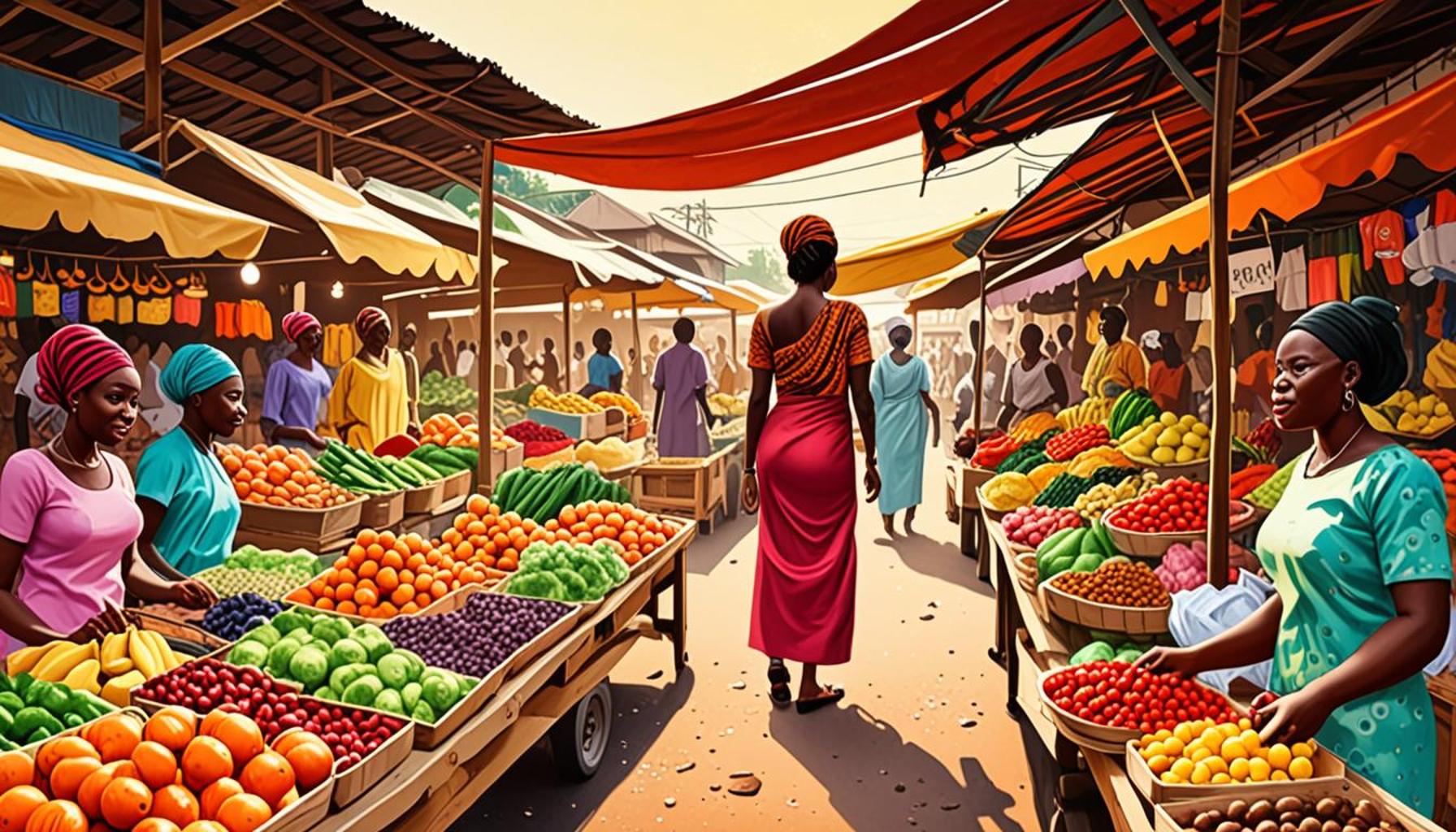
But these dishes are merely the starting point. As you meander through vibrant markets filled with colorful produce and fragrant spices, or enjoy a meal in a local home, the culinary experiences deepen. Meals are often steeped in tradition, served with stories and rituals that reinforce community bonds. Travelers can engage with local chefs and families, gaining valuable insights into the cooking techniques that have been passed down through generations.
Why Explore Regional Cuisines?
Exploring the distinct regional cuisines of Nigeria transcends mere tasting; it is a journey that fosters connection and understanding. Here are some reasons why delving into local foods is invaluable:
- Understanding local customs and traditions: Food is at the heart of societal norms and practices. Each dish comes with a history that often reveals the values and traditions of a community.
- Connecting with the communities and their heritage: Engaging with local cuisine opens up a dialogue with the people who prepare it. This interaction fosters appreciation for their culture and way of life.
- Support for local agriculture through sustainable culinary practices: By exploring regional cuisines, you are directly supporting local farmers and preserving traditional farming practices that have sustained communities for centuries.
Join in on this culinary exploration through Nigeria’s interior, where every dish is more than just food—it is a celebration of history, culture, and the spirit of community. Embark on this flavorful journey, and you will surely carry a piece of Nigeria’s heart back with you, one meal at a time.
SEE ALSO: Click here to read another article
Indulging in the Flavors of Nigeria’s Heartland
As you delve into Nigeria’s interior, the landscape transforms not just visually but culinarily as well. Each region boasts its distinctive flavors, colors, and textures, offering a journey through diverse culinary landscapes. From the northern plains to the lush forests of the south, the cuisines reflect the ingredients that thrive in these environments, shaped by local tastes and traditions.
Signature Dishes that Tell a Story
Among the myriad of dishes, certain favorites seek to encapsulate the spirit of their regions. These meals, prepared with care and a flair for celebration, showcase the blend of cultural influences that is a hallmark of Nigerian cuisine. As you travel, here are some signature dishes to savor:
- Pounded Yam and Egusi Soup: A staple in many homes, this dish consists of pounded yam served with a thick soup made from ground melon seeds, often enriched with vegetables and assorted meats or fish. It’s vital to know that the consistency of pounded yam is crucial, serving as the ideal vehicle for the rich, flavorful egusi. Each bite provides a taste of Nigerian hospitality and family gatherings.
- Akara: This delightful bean cake, often enjoyed as breakfast or a snack, is made by blending black-eyed peas into a batter mixed with onions and spices, which is then deep-fried until golden brown. Typically served hot with a side of pepper sauce, akara represents the creativity and resourcefulness of Nigerian culinary practices, creating a deep fried treat that’s both crispy and satisfying.
- Jollof Rice: Universally adored and debated over, Nigerian Jollof rice stands as a culinary beacon. Each region has its twist, but the basic premise remains the same: rice cooked in a flavorful tomato sauce with a medley of spices, often accompanied by fried plantains and proteins. Jollof has become a symbol of celebratory meals and communal gatherings, bringing families and friends together around the table.
These dishes are far more than mere sustenance; they represent the stories, struggles, and triumphs of their communities. As you navigate through local food markets, you’ll notice how fresh ingredients play a pivotal role in traditional cooking. Vendors proudly showcase their produce—from ripe tomatoes to spicy peppers—each item hailing from local farms that sustainable practices promote.
The Connection Between Food and Culture
Understanding Nigerian cuisine involves more than just tasting; it’s about appreciating the intricate weave of cultural threads that form its foundation. Here are a few compelling reasons to immerse yourself in this culinary voyage:
- Heritage and Identity: Each dish is often linked to the history and identity of its people. Learning about the origins of a recipe can provide insight into the values and cultural significance attached to food.
- Community Engagement: Sharing a meal goes beyond nourishment; it connects people. The act of cooking and dining together encourages cultural exchange, fostering relationships that transcend differences.
- Promotion of Local Economy: Indulging in local delicacies directly supports local farmers and markets, reaffirming the importance of sustaining age-old traditions while promoting economic development within communities.
As you embark on this culinary journey through Nigeria’s interior, prepare to not only satisfy your palate but also to enrich your soul. With each meal, you’re invited to partake in a narrative that is as diverse as the country’s people, deepening your understanding of this remarkable nation. So pack your appetite and adventurous spirit—Nigeria’s culinary depths await your exploration!
| Advantages | Key Features |
|---|---|
| Cultural Immersion | Engage with local residents, understanding traditions and practices around food. |
| Culinary Diversity | Experience a variety of dishes from different regions, showcasing unique ingredients and preparation methods. |
| Health Benefits | Discover nutritious meals rich in local vegetables, proteins, and whole grains. |
| Sustainable Practices | Learn about farming practices that support local economies and promote sustainability. |
The “Exploring Regional Cuisines: A Culinary Itinerary through the Interior of Nigeria” theme evokes a journey into the heart of one of Africa’s most vibrant cultures through its food. This adventure provides an opportunity for cultural immersion that allows travelers not just to taste but also to experience the rich traditions tied to culinary practices. Each dish tells a story, reflecting the unique histories and influences of various ethnic groups.Moreover, the culinary diversity present in Nigeria’s regions introduces food lovers to a plethora of flavors and textures, from the spicy jollof rice of the West to the savory pounded yam and egusi soup of the South. These dishes highlight the importance of local ingredients, offering an authentic taste of Nigerian heritage.Travelers will also be pleased to note the numerous health benefits found in local diets, which typically emphasize fresh vegetables, legumes, and protein-rich dishes, contributing to overall well-being.Lastly, engaging in this culinary exploration reveals insights into sustainable practices used by local farmers, promoting eco-friendly agriculture while supporting community strength. This wonderful blend of culture, taste, and sustainability captures the essence of Nigeria’s regional cuisines, making it a must-try for every food enthusiast.
ADDITIONAL INSIGHTS: Expand your understanding here
Unveiling Hidden Culinary Gems
As you venture deeper into Nigeria’s interior, each stop reveals hidden gastronomic treasures that reflect centuries of cultural evolution. These regional specialties are crafted with an artisanal touch, showcasing the culinary heritage of Nigeria’s diverse ethnic groups. Each bite is an invitation to rediscover the fast-evolving yet rooted traditions of this vibrant nation.
Regional Delicacies with a Twist
In addition to the more widely known dishes mentioned earlier, a unique set of regional delicacies awaits discovery. Here are some noteworthy dishes worth tasting on your culinary expedition:
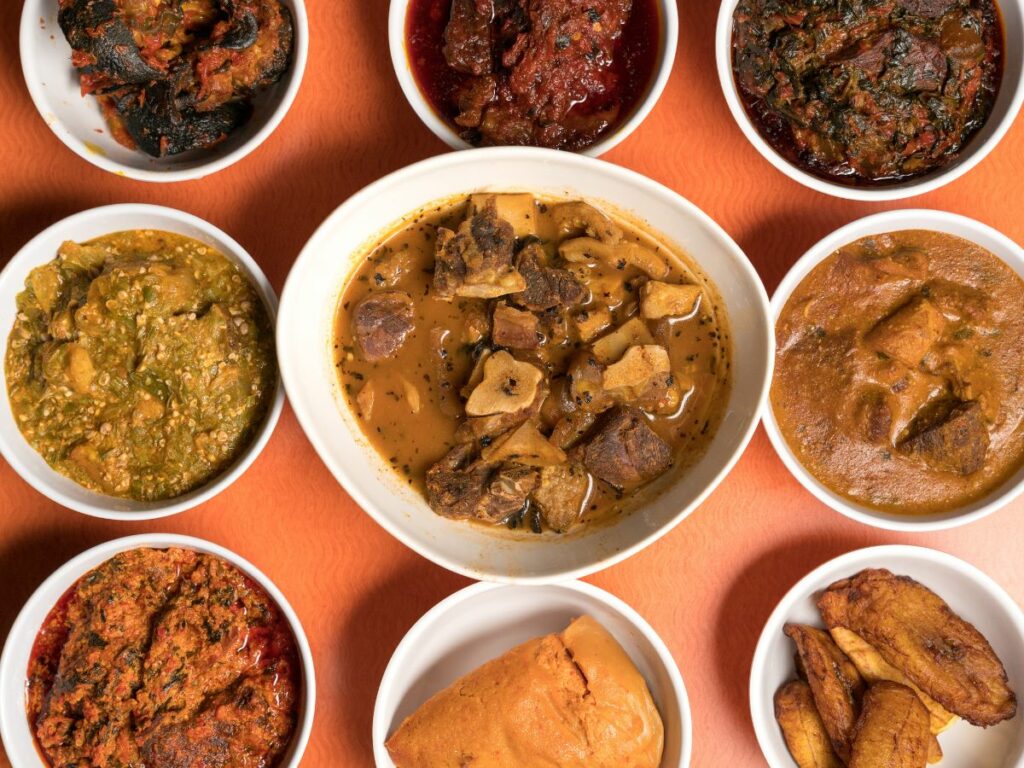
- Ofada Rice and Ayamase Sauce: Originating from the southwestern part of Nigeria, Ofada rice—locally grown and unpolished—has a distinct flavor and aroma that sets it apart. Often served with Ayamase sauce, a spicy green pepper sauce blended with assorted meats, this dish embodies the authentic essence of Yoruba cuisine. The earthy aroma of Ofada rice, combined with the rich, spicy sauce, provides a dining experience that is rooted in tradition and locality.
- Bitterleaf Soup (Ofe Onugbu): Hailing from the southeastern region, this robust soup features the bitterleaf herb, which is known for its health benefits. It combines meats and fish with a delicious palm oil base to create a velvety texture. For many Igbo families, preparing this soup is an essential part of ceremonial feasting, making it a symbol of warmth and hospitality.
- Isi Ewu: This traditional goat head dish is celebrated particularly among the Igbo people. Boiled and seasoned with an elaborate mixture of spices, including traditional pepper sauce, isi ewu is often served with a local chilled drink. Esteemed as a delicacy, it is a staple at celebrations such as weddings and birthdays, showcasing the love shared through food.
Exploring these dishes often leads to discovering the stories and traditions behind them. Local chefs and home cooks are eager to share their personal recipes, handing down ancestral techniques that have been preserved for generations. The secrets to the quality of these delicacies often lie not just in the ingredients but in the methods and love that accompany their preparation.
Food Festivals and Culinary Celebrations
Nigeria’s culinary scene comes alive through bustling food festivals and community events celebrated throughout the year. These occasions provide an excellent opportunity to experience regional cuisines in their authentic forms. For instance, the Annual Jollof Festival showcases the creative expressions of different regions as families and chefs compete to create the ultimate Jollof rice dish, drawing crowds from all corners of the nation.
Another remarkable event is the Ogoja Yam Festival in Cross River State, where yam is celebrated as a staple food. During this festival, locals showcase yam dishes, and festivities often involve traditional dances, music, and storytelling—all centered around the community’s connection to the land and its resources.
These gatherings not only elevate local ingredients and dishes but also cultivate a sense of belonging and appreciation for the rich tapestry of Nigerian culture. Attending these events grants visitors an unmatched insider’s perspective into regional variations and preferences that define Nigeria’s culinary identity.
The culinary itinerary through Nigeria’s interior is, therefore, not merely an exploration of tastes but a vibrant journey through culture, history, and community. Every region offers opportunities for discovery, where food sparks conversations and relationships, making every meal a shared experience that transcends borders.
CHECK OUT: Click here to explore more
The Journey Beyond Taste
In conclusion, exploring Nigeria’s regional cuisines transcends the mere act of eating; it is a profound journey that unravels the stories, traditions, and communal bonds that shape this diverse nation. As you traverse the interior, each dish offers a unique lens into the cultural fabric of local communities, allowing travelers to appreciate the distinct flavors borne from centuries of history and innovation. From the aromatic Ofada rice and Ayamase sauce to the delightfully rich Bitterleaf Soup, these culinary delights serve as gateways to understanding regional identities.
Participating in vibrant food festivals such as the Annual Jollof Festival and the Ogoja Yam Festival deepens this connection, providing immersive experiences that help visitors and locals alike celebrate their roots. These occasions not only highlight the artistry of Nigerian cuisine but also foster a collective sense of heritage and pride among the people.
By embracing these culinary adventures, you gain more than just taste; you collect memories, relationships, and cultural awareness that enrich your understanding of Nigeria. Therefore, as you plan your culinary itinerary through the interior of Nigeria, remember to savor each bite and appreciate the intricate tapestry that food weaves through the lives of its people. You may find that every meal is not just about nourishment, but rather a delicious encounter that bridges generations and connects communities.