
Clutter Reduction in Families: Strategies to Involve Everyone in Organization
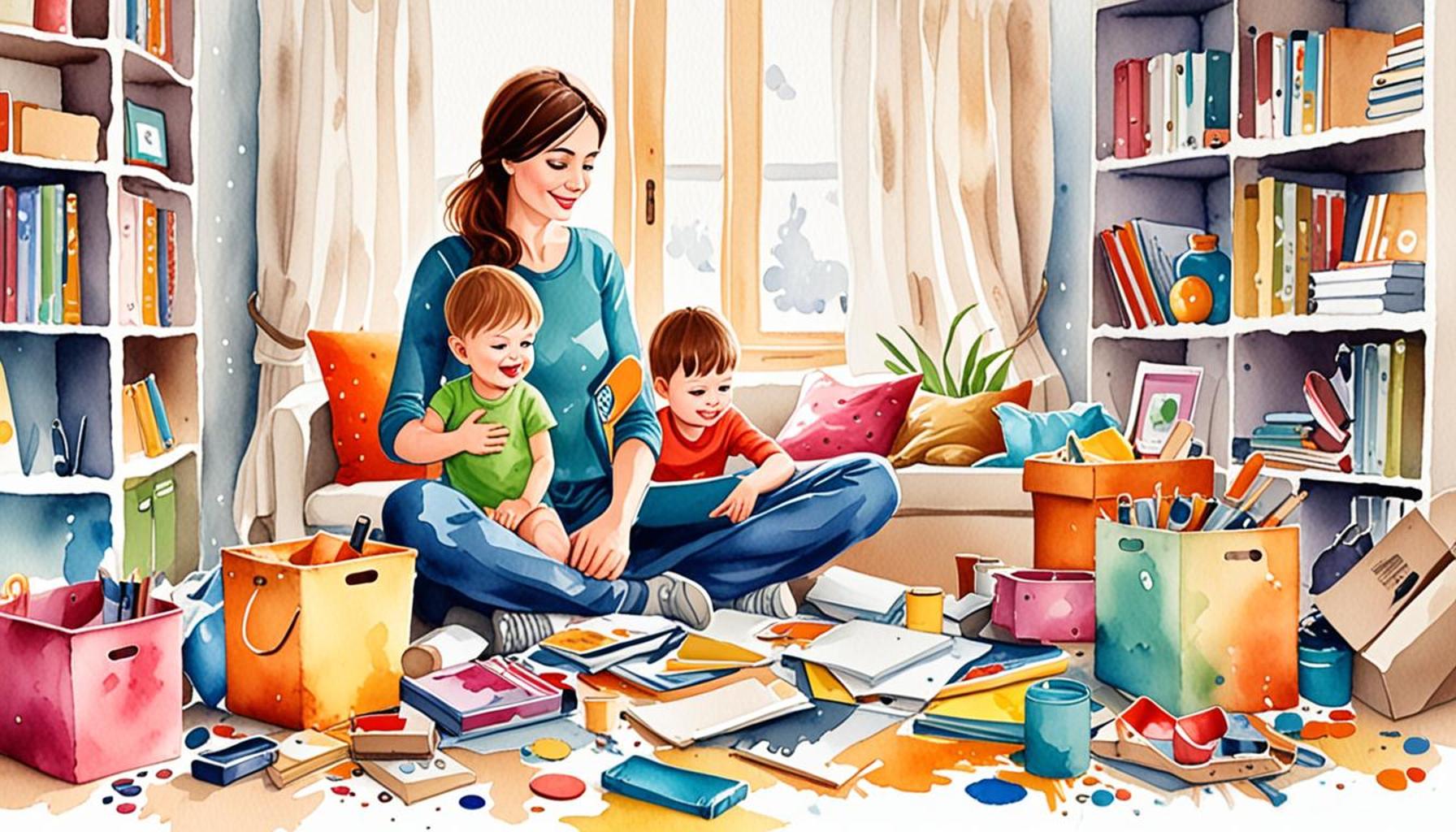
The Importance of Decluttering in Today’s Family Life
In a world where consumerism reigns supreme and instant gratification is just a click away, households often become overrun with items—many of which go unused. This burgeoning clutter doesn’t just take up physical space; it encroaches upon mental space, fueling feelings of stress and anxiety among family members. When left unchecked, clutter can even create rifts in relationships as frustrations arise over the chaotic environment. To regain control, families need effective methods for reducing clutter, fostering a more harmonious living space.
One of the first steps in effective clutter management is promoting shared responsibility. When each family member takes part in the decluttering process, it encourages a sense of ownership and accountability. For instance, children can assist in sorting toys or books they no longer use, while adults can tackle areas such as closets and kitchens. This collaborative effort prevents any single family member—often the one designated as the ‘cleaner’—from feeling overwhelmed.
Crucially, familial participation enhances communication. Working together allows families to engage in fruitful discussions about what items hold value and which ones can be let go. For example, a child may express an attachment to certain toys, leading parents to understand their emotional significance, which can cater to a more empathetic decluttering process. Additionally, involving children helps them cultivate valuable life skills. By learning how to organize and prioritize, they develop a sense of responsibility that will benefit them throughout their lives.
Engaging Everyone in the Decluttering Process
Tailoring decluttering strategies to appeal to various age groups ensures that everyone can contribute meaningfully. Here are practical examples designed to promote engagement across the family:
- Family Clean-Up Days: Dedicating one day each month, such as the first Saturday, creates a routine that everyone can prepare for. Families might even turn this into a fun contest—who can declutter the most items while listening to music or making it a mini-event with snacks and rewards?
- Creative Storage Solutions: Enticing your young ones to participate can involve incorporating playful, DIY storage ideas. For instance, turning old cardboard boxes into fun storage cubbies can stimulate creativity while teaching organizational skills.
- Goal Setting: Setting specific clutter-reduction goals, like reducing the number of pairs of shoes, can foster a sense of teamwork. Be sure to celebrate each milestone, fostering a sense of accomplishment that encourages continued effort.
Working together to declutter not only results in a tidier space but also lays the groundwork for a nurturing environment. As families explore these strategies, they build stronger relationships and enhance their overall well-being. A well-organized home allows for improved focus, creativity, and emotional connections, making it a sanctuary for all members of the household.
DIVE DEEPER: Click here to discover the power of intentional living
Creating a Unified Approach to Decluttering
Establishing a family-wide approach to clutter reduction requires not just participation, but also the cultivation of a supportive environment. This can begin with open discussions centered around the concept of minimalism and the benefits of a decluttered home. Educating family members about the impact of clutter can motivate change. For example, studies suggest that living in a cluttered space can lead to increased stress and decreased overall satisfaction with life. By presenting these facts, families can unite under a common goal of creating a more peaceful living environment.
One effective strategy is the creation of a Family Clutter Committee, where every member has a role to play. This committee could meet regularly—perhaps monthly—to discuss household clutter, brainstorm solutions, and review progress. Assigning roles based on age and capability helps maintain enthusiasm: younger children could be designated as “Toy Managers,” responsible for categorizing and deciding which toys to keep or donate, while older children and adults could tackle areas such as paperwork or clothing. This structure not only establishes accountability but also reinforces teamwork, as members realize that each person’s contribution is valuable.
Implementing a Systematic Approach
A systematic approach can significantly enhance the effectiveness of decluttering efforts. Here are some practical steps families can adopt:
- Start with One Room at a Time: Focusing on a single room allows for better concentration and measurable progress. Families can choose a room together and set aside dedicated time each week to declutter, ensuring the task doesn’t become overwhelming.
- The Four-Box Method: Equip each family member with four boxes labeled ‘Keep’, ‘Donate’, ‘Sell’, and ‘Trash’. This method provides a clear guideline for decision-making and prevents second-guessing, boosting efficiency during the decluttering process.
- Make it a Game: Transforming decluttering into a fun competition can invigorate participation. Families can set a timer and see who can clear the most items in a designated timeframe, turning a tedious chore into an exciting challenge.
Moreover, adopting a mindset that prioritizes quality over quantity can profoundly impact how families view their possessions. Encouraging family discussions surrounding the importance of valuing items that truly ‘spark joy’ can help shift perspectives. Engaging children in this conversation develops their critical thinking skills, reinforcing the idea that not all items need to hold significant meaning to have a place in the home.
As families embark on this journey, they will likely discover that reducing clutter is more than just a physical task. It fosters an atmosphere of support and understanding, where each family member learns the art of letting go. The result is a closer-knit household, flourishing in both emotional wellness and clarity of space.
| Strategy | Impact |
|---|---|
| Family Involvement | Encourages teamwork and responsibility among all family members. |
| Setting Goals Together | Creates a shared vision and improves adherence to organizational plans. |
| Decluttering Challenges | Makes organizing fun, encouraging participation from even the youngest members. |
| Regular Family Meetings | Fosters communication and ensures everyone’s voice is heard in organizational decisions. |
| Personalized Storage Solutions | Empowers individuals to take ownership of their space, leading to lasting organizational habits. |
Every parent can relate to the chaos clutter brings to family life. Involving the entire family in organization efforts not only lightens the load but also promotes cooperation and accountability. By implementing strategies like family involvement and setting collaborative goals, families can create a culture of organization. Moreover, engaging in decluttering challenges turns a mundane task into a fun activity that excites even the smallest members. Regular family meetings are beneficial as they enhance communication, allowing everyone to express ideas and concerns regarding clutter management. On a more personal level, customized storage solutions cater to individual needs and encourage family members to keep their spaces tidy. Such methods not only maintain a clean home but also instill valuable life skills in children, setting them up for future success. Explore these strategies to witness meaningful changes in your family’s organization dynamics.
LEARN MORE: Click here to discover the emotional benefits of decluttering
Emphasizing Routine and Maintenance
Once a family has successfully begun their decluttering journey, the next crucial step is to establish routines that ensure clutter doesn’t gradually creep back in. The key to maintaining a clutter-free environment lies in the implementation of daily and weekly habits that involve all family members. These habits should focus on both prevention and maintenance, ultimately leading to sustainable organization.
Daily Decluttering Habits
Incorporating simple, daily practices can make a tremendous difference. For example, the “One In, One Out” rule encourages family members to evaluate their incoming possessions critically. For every new item brought into the home—whether it’s a toy, piece of clothing, or gadget—there should be an existing item that is either donated, recycled, or thrown away. This rule not only encourages mindfulness about consumption but also reinforces the decisions made during the decluttering process.
Additionally, setting aside just five to ten minutes at the end of each day for quick tidy-ups can become a family ritual. During this time, family members can each take responsibility for their personal spaces, collecting any stray items and returning them to their designated places. By practicing these small daily tasks, the household can maintain organization while also instilling a sense of responsibility in children.
Weekly Family Organizing Sessions
In tandem with daily habits, families can schedule a weekly organizing session where they dedicate time to review the state of their home. This session can be a fun, relaxed affair with snacks and music to create an enjoyable atmosphere. Each family member can take turns presenting specific areas of their choice that they feel need attention, such as bedrooms or the living room. These sessions not only maintain the cleanliness of the home but also allow families to address any new clutter issues before they escalate.
Utilizing Technology for Organization
The evolution of technology has also introduced innovative ways for families to manage their clutter. Mobile apps designed for organization and decluttering can serve as useful tools. For instance, apps that allow families to photograph items for potential sale or donation can streamline the process, making it easier and more efficient. Moreover, shared digital calendars and task management tools can help in scheduling decluttering sessions and keeping everyone accountable more effectively.
Families can also embrace the concept of digital decluttering, which is equally important in the modern world. Encouraging the family to reduce digital clutter—by organizing files, deleting unnecessary emails, and sorting through photos—ensures that all aspects of life are considered during the decluttering process. This can reflect inside the home as less screen time often correlates to increased family engagement and quality time together.
Ultimately, the journey of decluttering and organizing is not just a one-time event; it is an ongoing commitment. By instilling these practices, families can continually reassess their environment and evolve their habits, creating an adaptable structure for a harmonious living space. Regular engagement in these routines cultivates a shared sense of ownership and accountability, ensuring that everyone remains invested in maintaining a clutter-free home.
DISCOVER MORE: Click here to learn how minimalism can enhance your life
Conclusion
As the journey of clutter reduction in families unfolds, it becomes increasingly clear that organization is not merely about maintaining a tidy space; it’s about creating a collaborative culture that values simplicity and intentionality. By implementing effective strategies such as the “One In, One Out” rule and connecting through weekly organizing sessions, families can transform organizational tasks into opportunities for bonding and teamwork. These practices not only facilitate an orderly home but also instill valuable life skills in children, nurtured through responsibility and engagement.
Moreover, leveraging technology can streamline the organization process, making it easier for families to track their efforts and maintain focus amidst the chaos of daily life. The importance of digital decluttering should not be overlooked; as families sift through digital clutter, they cultivate an environment that encourages real-world connection and interaction. It is this holistic approach that will ultimately pave the way for a more harmonious living space.
In summary, achieving and maintaining a clutter-free home is an ongoing commitment that involves every family member. It requires patience, creativity, and adaptability. By embracing these principles, families not only ensure a cleaner home but also foster an atmosphere of mutual respect, understanding, and togetherness. The journey towards organization is not just about what is discarded but what is cherished, ultimately leading to a life that values quality, mindfulness, and shared purpose.