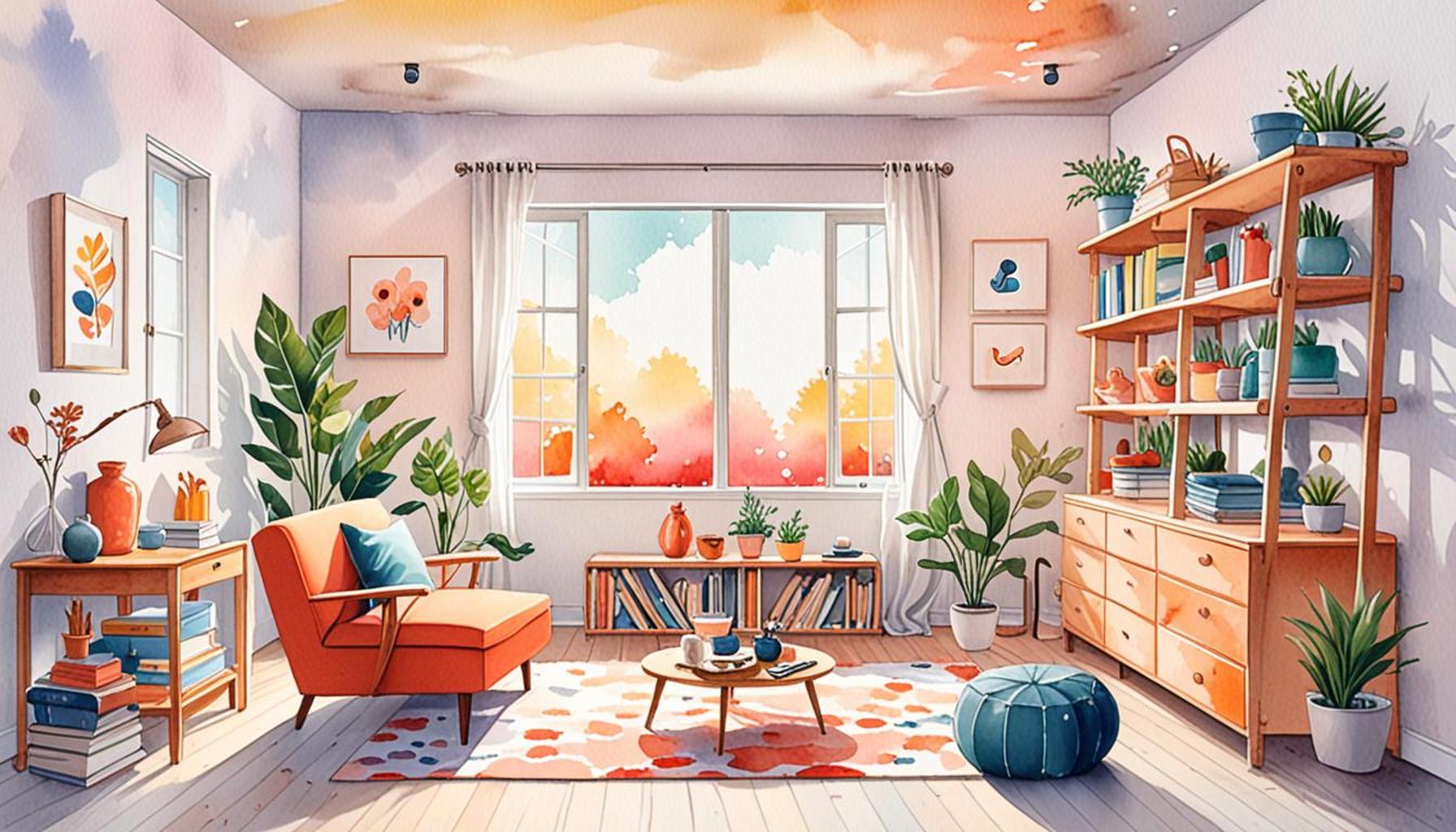
Demystifying Minimalism: How to Start Your Clutter Reduction Journey
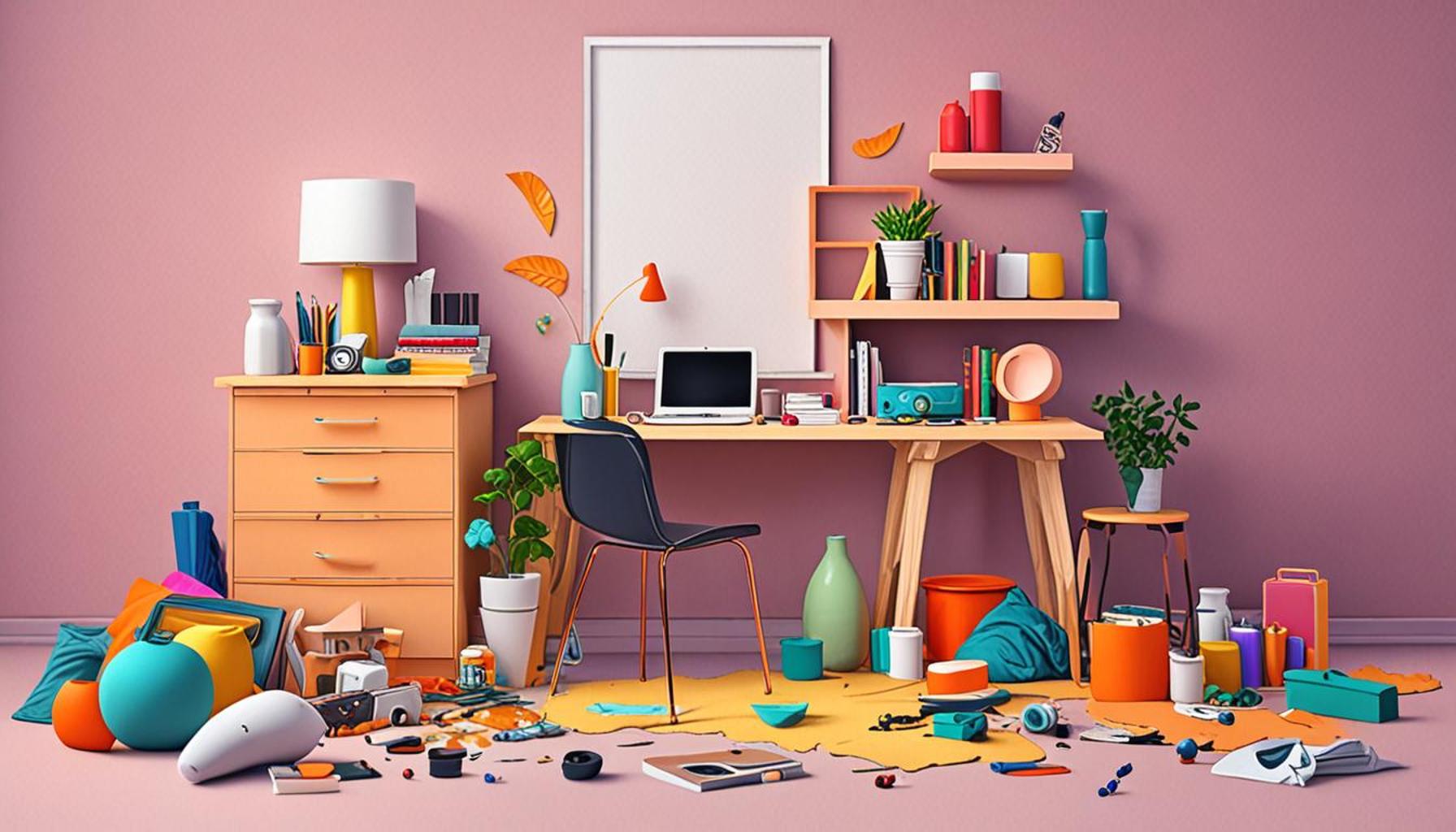
The Essence of Minimalism
In our fast-paced consumer-driven society, the concept of minimalism serves as a refreshing alternative to the chaos of excess. With the lure of endless shopping and the frequent upgrades to our belongings, many individuals are recognizing the value of simplicity and intentionality. Embracing a minimalist lifestyle allows people to shed the burdens of material possessions while fostering a sense of peace and fulfillment.
As people embark on their journey towards a more minimalist existence, they often ponder the initial hurdles of decluttering. The benefits, however, are compelling and serve as motivation along the way. For instance, consider the benefit of increased space: an organized and uncluttered environment not only makes living areas more aesthetically pleasing but also enhances functionality. A decluttered home fosters an atmosphere conducive to relaxation and productivity, allowing individuals to enjoy their surroundings without distraction.
Additionally, enhanced focus is another significant advantage. When your physical space is simplified, your mind follows suit. This can improve overall well-being and mental health, making everyday tasks feel less overwhelming. Similarly, the act of decluttering often ties into financial savings. By intentionally limiting new purchases, individuals can save money that would otherwise be spent on fleeting desires, redirecting those funds toward experiences and investments that foster true happiness.
Starting Your Minimalism Journey
Adopting a minimalist lifestyle entails more than simply tossing out belongings. It’s an evaluation of what truly contributes value to your life. To efficiently navigate this transformative journey, consider the following elements:
- Assess your belongings: Begin by examining each item in your home. Ask yourself if it serves a purpose or if it brings you joy. This reflective process can be enlightening—many are surprised to find that they own much more than they truly need.
- Set realistic goals: Tackling a whole home may feel insurmountable. Instead, break the process down into manageable tasks by focusing on one room or category at a time, such as clothing or kitchenware. This incremental approach helps avoid overwhelming feelings and allows for steady progress.
- Practice mindfulness: Be intentional about future purchases. Consider developing a ‘cooling-off’ period before buying—waiting a week allows you to determine if an item is truly necessary. This habit not only curbs impulsive spending but also reinforces the principles of minimalism.
The Rich Rewards of Minimalism
While the journey toward minimalism may present challenges, the rewards of a simplified life are profound and enriching. Many individuals report enhanced emotional well-being, improved relationships, and a renewed sense of purpose after adopting minimalistic practices. With intentional choices, they discover time to pursue passions and hobbies that had previously been overshadowed by the demands of maintaining excessive belongings.
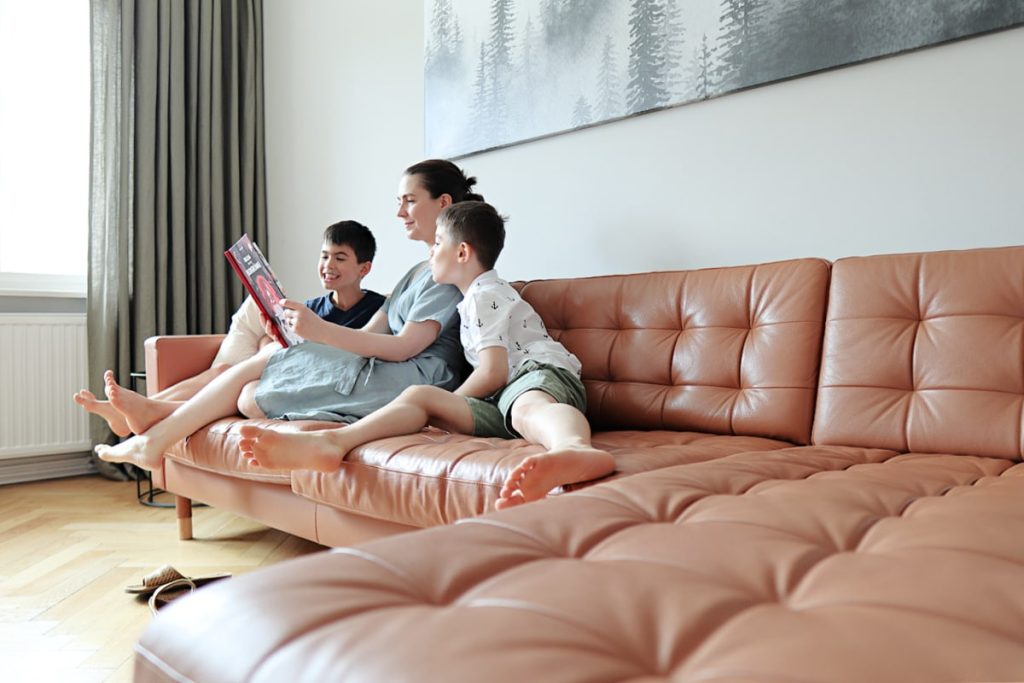
In essence, the exploration of minimalism invites individuals to reevaluate their priorities and open themselves to a more fulfilling lifestyle. As you unpack the layers of clutter in both your physical space, you may find layers of complexity in your life peeling away as well—a transformation well worth embracing.
DISCOVER MORE: Click here to dive deeper
Understanding the Core Principles of Minimalism
As you initiate your decluttering journey, understanding the core principles of minimalism is critical. It goes beyond merely reducing your possessions; it’s about cultivating a lifestyle that prioritizes quality over quantity. This mindset encourages you to be more discerning about what enters your home and, ultimately, your life. By embracing minimalism, you create a personal space that reflects your values, ambitions, and emotional well-being.
To facilitate your transition into minimalism, it’s essential to grasp some key concepts that underpin this philosophy. The first is the idea of intentional living. Each item you keep should serve a purpose or provide joy, creating an environment that resonates with your authentic self. This intentionality can help streamline your decision-making process, not just in your home but also in your daily life.
Strategies for Effective Decluttering
Now that we’ve established the principles of minimalism, let’s explore practical strategies to help you effectively declutter your space:
- Start Small: Choose a single drawer, closet, or shelf to begin your decluttering. This smaller scope makes the task less overwhelming and can lead to a sense of accomplishment that propels you further.
- Use the Four-Box Method: Label four boxes with “Keep,” “Donate,” “Sell,” and “Trash.” As you sort through your belongings, place each item into one of these boxes. This tangible method provides clarity and simplifies the decision-making process.
- Establish a Regular Schedule: Incorporate decluttering into your routine by setting aside specific times each week. Consistency fosters momentum, making the journey toward minimalism more achievable.
- Limit “One In, One Out”: For every new item you acquire, consider letting go of an existing one. This practice encourages mindful consumption and prevents the accumulation of clutter.
By implementing these strategies, you will begin to witness the transformation of your space. As clutter dissipates, you will find room—not only physically but mentally—for the experiences and relationships that matter most. This newfound clarity helps you to dive deeper into the essence of minimalism, allowing for more profound changes in your life.
Finding Community and Support
Minimalism can feel isolating if you tread this path alone. Engaging with communities—both online and offline—can provide support and encouragement. Consider joining local meetups, social media groups, or forums that discuss minimalism. Sharing experiences, tips, and words of encouragement can help fuel your motivation and enrich your journey.
In conclusion, embarking on a clutter reduction journey requires mindfulness, intention, and community. By grasping the core principles of minimalism and applying effective decluttering strategies, you set the stage for a more purposeful life—one where every possession is a reflection of who you are and what brings you happiness.
| Category | Advantages |
|---|---|
| Less Stress | Minimalism reduces mental clutter, leading to a more peaceful environment. |
| Increased Focus | A decluttered space enhances concentration and productivity. |
| Financial Freedom | Fewer possessions can lead to lower expenses and savings opportunities. |
| Environmental Benefits | Minimalism often encourages sustainable consumption practices and waste reduction. |
Exploring the journey into minimalism offers not just an aesthetic transformation but profound lifestyle shifts. By embracing a less is more philosophy, individuals often find that their environments and minds become less burdened, paving the way for improved mental well-being. As you begin this journey, consider the multitude of benefits that minimalism can provide—less stress, increased focus, financial freedom, and even positive environmental impacts. With every item you let go of, you create space not only in your home but also in your mind, allowing you to prioritize what truly brings joy and purpose to your life. Living minimally does not equate to deprivation; rather, it’s an invitation to reassess values and foster deeper connections with the essential aspects of life.
DIVE DEEPER: Click here to discover the power of simplicity
Adopting a Minimalist Mindset
As you embark on your clutter reduction journey, it’s essential to embrace a minimalist mindset that transcends physical possessions. Minimalism is not just about owning fewer items; it’s a philosophy that encourages you to reevaluate your relationship with material goods and prioritize experiences that nourish your well-being. To cultivate this mindset, start by asking yourself a few key questions:
- What truly adds value to my life? Analyze your belongings and identify the items that contribute to your happiness or well-being. This reflection can guide you in making conscious decisions about what to keep and what to release.
- Am I holding onto things out of obligation? Many people cling to gifts or inherited items because they feel obligated. Minimalism teaches you that it’s acceptable to let go of these items if they no longer resonate with you.
- How do I define success and happiness? Rethink traditional markers of success, such as wealth or the accumulation of items. Instead, consider experiences, relationships, and personal growth as more fulfilling indicators of a successful life.
In this reflection lies the essence of minimalism—understanding what suffices and realizing that less can be more.
The Psychological Benefits of Clutter Reduction
In addition to creating a more functional living space, clutter reduction has far-reaching psychological benefits. Studies suggest that excessive clutter can contribute to feelings of stress, anxiety, and even depression. The process of decluttering not only aids in clearing physical space but also mental space, leading to enhanced clarity and focus. For example, a study conducted by Princeton University Neuroscience Institute found that visual clutter can overload the brain and impair our ability to focus.
Moreover, a minimalist lifestyle can promote mindfulness. By limiting distractions, you cultivate a heightened awareness of your surroundings and the present moment. This can improve your overall mental health, allowing you to engage more fully in relationships and experiences. Consider engaging in mindfulness practices such as meditation or yoga as complementary tools to your decluttering efforts. These practices can help clear your mind, making it easier to let go of sentimental items or unnecessary possessions.
Creating a Functional Space
As you cleanse your living environment of excess, it’s crucial to think about functionality. A minimalist approach often leads to a more organized and effective space where everything has a designated place. To do this, consider the layout of your home:
- Maximize Vertical Space: Use shelves, cabinets, and wall organizers to utilize vertical space efficiently. This tactic frees up floor space and allows for a more open and breathable environment.
- Implement Multi-Functional Furniture: Invest in furniture that serves more than one purpose. Items like a storage ottoman, a bed with built-in drawers, or a dining table that can double as a workspace can minimize clutter while enhancing functionality.
- Incorporate Natural Elements: Adding plants or natural materials can create a calming atmosphere, making your space feel more inviting. They also contribute to better air quality, promoting well-being.
Creating a functional space encourages you to live purposefully while surrounding yourself with items that matter most to you. A well-structured environment not only reduces stress but also enhances productivity and creativity, aligning perfectly with the principles of minimalism.
DISCOVER MORE: Click here to learn effective strategies
Final Thoughts on Your Clutter Reduction Journey
Embarking on a journey towards minimalism is a transformative process that extends far beyond merely decluttering physical possessions. As we’ve explored, the practice of clutter reduction not only fosters a more organized and serene living environment but also cultivates a profound shift in your mindset. Through thoughtful reflection on what truly adds value to your life, you’re more likely to release obligation-based items and redefine success and happiness on your own terms.
The psychological benefits accompanying this journey are compelling; research indicates that a decluttered space contributes to decreased levels of stress and anxiety, while fostering clarity and focus. Incorporating mindfulness practices alongside your decluttering efforts can further enhance your mental well-being, helping you to fully embrace the vibrant experiences life has to offer.
Finally, as you create functional spaces that reflect your minimalist ambitions, remember that this is not merely a destination but a lifelong journey. Continue to question your relationship with your belongings and adopt new strategies that prioritize purpose and functionality. With each step, you are paving the way towards a less cluttered, more meaningful existence. As you move forward, let curiosity guide you to explore the myriad benefits of minimalism further. Embrace the idea that less can truly be more, and let the simplicity of intentional living enrich your life in ways you’ve never imagined.