Simplicity in Decoration: Transforming Spaces with Less to Create More Comfort
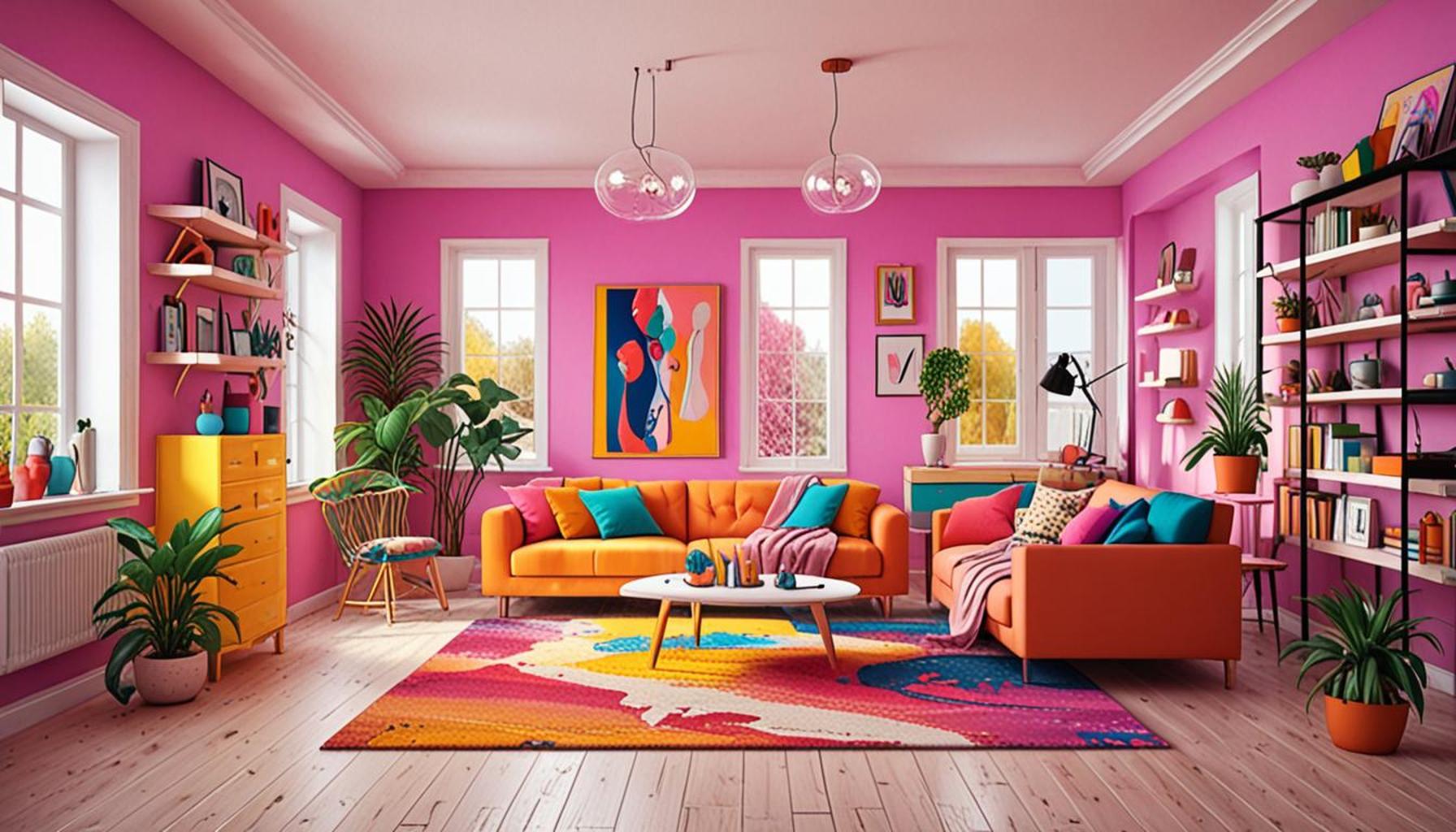
Embracing the Essence of Minimalism
In an era where fast-paced living can lead to overwhelming clutter, the concept of simplicity in decoration offers a refreshing breath of air. By focusing on what truly matters, creating serene spaces becomes achievable. With less, one can uncover layers of comfort and functionality that may have been previously hidden beneath excessive décor. This minimalist approach does not merely declutter physical spaces; it also allows for mental clarity, promoting a lifestyle that prioritizes well-being over material accumulation.
The Power of Less
Cleverly curated environments can transform our daily experiences, illustrating how simplicity can create an aura of harmony. Here are key aspects of embracing simplicity:
- Focal Points: Highlighting a single piece of art or furniture within a room can bring both focus and sophistication. For example, a striking, large painting on a neutral wall can serve as a conversation starter and an eye-catching centerpiece, drawing the gaze of visitors and inhabitants alike.
- Calming Colors: Soft, neutral palettes—such as whites, beiges, and light grays—invite tranquility and reduce visual noise. These colors can be utilized to create a cohesive flow throughout a space, which not only enhances the aesthetic quality but also promotes a mood of serenity.
- Functional Furniture: Choosing multi-purpose items, such as a convertible sofa bed or an ottoman that doubles as storage, maximizes space while minimizing clutter. This not only fosters a more organized environment but also enhances usability, allowing areas to serve multiple functions without feeling cramped.
Creating Comfort with Intention
With intentional simplicity, each decorative choice speaks volumes, reflecting personal style and values. Explore how:
- Natural Elements: Incorporating plants and organic materials enhances warmth and liveliness. A simple potted succulent or a rustic wooden table can breathe life into a space, while also reminding us of nature’s beauty and the importance of sustainability.
- Open Spaces: Allowing for airflow and movement not only facilitates a more peaceful atmosphere but also encourages mindfulness. Open floor plans, which are popular in modern homes, promote a sense of freedom and can enhance social interactions among family members and guests.
- Quality Over Quantity: Investing in fewer, higher-quality items promotes lasting comfort and style. Opting for a well-crafted wooden chair over a series of cheaper, mass-produced alternatives can create a narrative of intentionality in the home.
Dive deeper into how simplicity can elevate your living spaces. The journey toward minimalist elegance is not just about aesthetic appeal; it’s about creating environments that nurture the soul. By embracing the principles of minimalism, you engage in a lifestyle that emphasizes intentionality, sustainability, and well-being, ultimately leading to a more fulfilling life experience. Exploring local resources, like home decor shops in your community, can provide unique, thoughtful pieces that align with these values—making the search for simplicity an adventure in creativity and connection.
DISCOVER MORE: Click here to transform your daily routine
Transforming Spaces with Thoughtful Simplicity
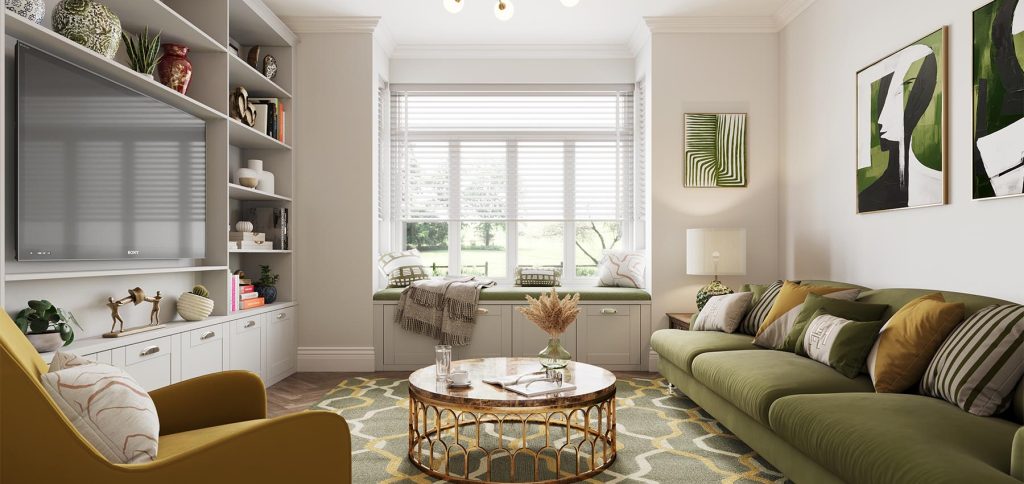
As many individuals and families grapple with the chaos of daily life, the pull towards simplicity in decoration becomes more pronounced. This transformative approach emphasizes quality and intention over quantity, allowing spaces to breathe and function effectively. By removing the unnecessary, homeowners can create an inviting atmosphere that emphasizes comfort and utility. Understanding key components of this design philosophy can aid anyone in their journey towards achieving a more harmonious living environment.
Deliberate Design Choices
Every element introduced into a space serves a purpose—this is the cornerstone of minimalist decoration. When carefully selected, these elements communicate a story, merging aesthetics with functionality. Consider the following essential components that can significantly affect the comfort and appeal of your home:
- Open Shelving: This practical design choice can eliminate visual clutter while creating a light and airy feeling. Displaying a curated collection of dishware or books on open shelves not only adds a personal touch but also encourages organization, making everyday items accessible and visually appealing.
- Layered Textures: While minimalism revolves around less, it does not mean sacrificing warmth or coziness. Incorporating varying textures—such as a soft throw on a sleek couch or a woven rug underfoot—can foster depth and interest, making a space feel complete without overwhelming it with decorative items.
- Smart Lighting: The role of lighting cannot be overstated in creating a serene ambiance. Utilizing dimmers or strategically placed lamps can enhance a room’s mood while offering versatile illumination that caters to different activities. Consider soft, ambient lighting for relaxation and brighter options for tasks, allowing spaces to adapt to daily rhythms.
Personalizing a Minimalist Aesthetic
Giving a touch of personal style to a minimalist approach doesn’t mean cluttering your spaces; instead, it’s about choosing items that resonate personally. Here’s how to achieve that balance:
- Mismatched Chairs: Instead of uniform dining chairs, mix and match styles with care. This intentional decision adds character while adhering to simplicity—a testament to the beauty of individual expression.
- Art with Meaning: Select a few pieces of art that carry special significance. Whether it’s a cherished photograph or a painting from a local artist, these choices enrich your space with stories and memories without crowding the walls.
- Seasonal Accents: To keep your home feeling fresh, use seasonal décor that can be swapped out easily. A couple of well-placed decorative items such as a vase of seasonal flowers or a themed table runner can add a festive touch without overwhelming your established aesthetic.
Through thoughtful adjustments and mindful decor, the journey towards simplicity offers an opportunity not just to enhance a home’s beauty, but also to cultivate an atmosphere that nurtures the soul. By prioritizing comfort and minimizing distraction, homeowners can truly create spaces that reflect both their identities and desires for tranquility. Engaging with local artisans and shops may provide unique options that align with minimalist values, ultimately leading to a fulfilling decorating process. The beauty of simplicity lies not only in its visual appeal but also in its ability to create lasting comfort and peace of mind.
| Advantage | Description |
|---|---|
| Enhanced Comfort | Simplicity in decoration fosters a peaceful environment, promoting relaxation through uncluttered spaces. |
| Visual Appeal | With fewer items, each piece becomes a statement, allowing for an engaging and aesthetic decorative narrative that enhances the overall room design. |
| Easier Maintenance | A minimalist approach significantly reduces cleaning time, providing a more functional living space, ideal for busy lifestyles. |
| Versatility | Simple decor allows for easy adaptations as needs change, enabling personal preferences to shine through. |
The principles of simplicity in decoration emphasize how transforming spaces with less can significantly enhance comfort and style. By focusing on clarity and function, individuals can create inviting atmospheres that prioritize peace and aesthetic coherence. The emergent trend encourages a shift from overloaded rooms to a breath of fresh air that resonates with the soul.
EXPLORE MORE: Click here to discover effective decluttering strategies
Embracing Functionality and Aesthetic Serenity
In the realm of simplicity in decoration, the union of functionality and aesthetic appeal plays a pivotal role. This alignment not only maximizes the potential of a space but also contributes to a sense of serenity and relaxation essential for modern living. By prioritizing multifunctional furniture and decor choices that support daily routines, homeowners can foster environments that are both practical and comforting.
Multifunctional Furniture Solutions
One of the key tenets of minimalist design is the embrace of multifunctional furniture. Each piece serves double duty, thereby reducing clutter while catering to diverse needs. Here are several examples that underscore this point:
- Sofa Beds: Ideal for small spaces, a sofa bed can quickly transform a living area into a guest room. This duality not only saves space but also expands the functionality of your home without the need for excessive furniture.
- Storage Ottomans: These versatile pieces offer an inviting seating option while discreetly storing blankets or magazines, promoting an organized and inviting atmosphere.
- Dining Tables with Extendable Tops: When entertaining, extendable tables can accommodate guests and then retract to their original size, offering flexibility without compromising space.
The strategic use of such furniture can streamline living areas, paving the way for simpler organization and less visual clutter. As we become increasingly aware of how our environments affect our well-being, the appeal of functionality in design becomes stronger than ever.
Natural Elements as Fundamental Decor
Bringing the outdoors inside is another impactful approach to fostering simplicity and comfort within a space. Incorporating natural elements, such as plants or organic materials, enhances both the aesthetic and psychological aspects of home decor. Here are some considerations:
- Indoor Plants: Not only do they purify air and improve mood, but the presence of greenery can infuse life into minimalist designs, connecting indoor spaces with nature while promoting tranquility.
- Natural Textures: Materials such as wood, stone, and wool can bring warmth and softness, complementing the minimalist ethos. A reclaimed wood coffee table or a stone centerpiece can act as a focal point that speaks to simplicity and sustainability.
- Earthy Color Palettes: Using soft, muted colors inspired by nature can create a peaceful environment. Shades of green, beige, and gray foster a sense of calm, inviting the viewer to relax and unwind in their surroundings.
Implementing these natural elements into minimalist decor not only enhances the visual landscape but also promotes a deeper connection to the environment. This synergy can create spaces that feel both personal and inviting, embodying a lifestyle that values peace and simplicity.
Curating a Mindful Collection
While less is more in simplicity, a curated collection of meaningful items can add personality without overwhelming a room. The emphasis is on mindful selection—items chosen must enhance the space’s narrative. Consider these strategies:
- Faithful to Style: Items that reflect your personal style should be prominently displayed. Choose decor that aligns with your aesthetic, ensuring each piece contributes to the overall theme of simplicity.
- Quality over Quantity: Invest in fewer, high-quality pieces that have longevity. A well-crafted sculpture or handcrafted vase can serve as a conversation starter, enriching the decor without overpowering the space.
- Pared-Down Color Schemes: Stick to a limited color palette to unify your collection. Incorporating shades that echo throughout your decor can create harmony, drawing the eye through the space effortlessly.
By adhering to a philosophy of mindful collection, residents can infuse their homes with personality while honoring the simplicity that enhances comfort. Minimalism is not about emptiness; it’s about thoughtfully choosing items that resonate with significance and style. Such spaces become true reflections of individual identity and comfort.
DISCOVER MORE: Click here to learn about intentionality in minimalist design
Conclusion: The Power of Minimalism in Creating Comfort
In a world often overwhelmed by excess, the mantra of simplicity in decoration serves as a breath of fresh air, guiding us towards a more tranquil living experience. The principles discussed—embracing multifunctional furniture, integrating natural elements, and curating mindful collections—illustrate how less truly can lead to more in terms of comfort and aesthetic appeal. By consciously selecting pieces that marry practicality with beauty, we create environments that are not just visually pleasing but also psychologically soothing.
Furthermore, the exploration of minimalism invites us to reassess our relationships with our surroundings. When we incorporate natural materials and a subdued color palette, we foster a sense of calm that resonates through our homes. These thoughtful choices make a statement about our lifestyles, promoting a deeper connection to both our living spaces and the environment. Simplicity becomes a powerful tool for enhancing well-being.
As you embark on your journey to embrace simplicity, remember that each choice contributes to a narrative of serenity and comfort. By eliminating clutter and making space for the meaningful, we transform our homes into sanctuaries that reflect our identities. This approach not only elevates our living environments but also cultivates a lifestyle that celebrates mindfulness and intention. The true beauty of simplicity in decoration is that it beckons us to create spaces where we can truly relax, unwind, and feel at home.