
The Art of Simplicity in Eating: Organizing Your Diet for a Healthier Life

Embracing Simplicity in Eating
In an era where information about food choices bombards us from every angle, the challenge of making healthy eating decisions can feel daunting. An overload of options, coupled with myriad diets and nutritional guidelines, often leads to confusion. Fortunately, embracing the art of simplicity in eating presents a welcome alternative that can significantly enhance our relationship with food.
Focus on Whole Foods
Starting with basic principles, prioritizing whole foods is a straightforward approach that can yield significant benefits. Whole foods, which include fresh fruits, vegetables, whole grains, lean proteins, and healthy fats, provide essential nutrients that nourish the body effectively. For example, instead of filling your plate with processed snacks laden with artificial ingredients, try incorporating a colorful variety of fresh produce, such as berries in a yogurt parfait or a hearty quinoa salad topped with grilled chicken. These real foods not only taste better but also support your health by reducing the risk of chronic diseases.
The Importance of Portion Control
Another component of simplifying your diet is portion control. The tendency to overeat often stems from oversized servings and mindless snacking. An effective strategy to combat this is to use smaller plates and bowls, which can provide the psychological effect of feeling satisfied with less food. For instance, enjoying a slice of homemade lasagna on a smaller plate can help control caloric intake while still allowing you to savor the flavors without deprivation.
Simple Meal Preparation Techniques
Meal prep doesn’t have to be labor-intensive. Instead, adopting simple meal prep techniques can streamline weekday dinners, making nutritious meals accessible in minutes. Consider preparing grains like brown rice or quinoa in bulk at the beginning of the week, lined up in the fridge for quick access. Likewise, washing and chopping vegetables can save precious time during busy evenings, allowing for effortless stir-fries or salads. Meal prepping can also reduce food waste, as you’ll only buy the ingredients you plan to use within the week.
The Benefits of a Simplified Diet
The ripple effect of simplifying your eating habits can be profound. Studies indicate that individuals who embrace straightforward eating approaches often experience a decrease in stress related to food choices. This newfound clarity leads to improved digestion and elevated energy levels, allowing for a more vibrant daily life. As a bonus, those who engage with their meals mindfully report greater satisfaction, resulting in a more enjoyable relationship with food.
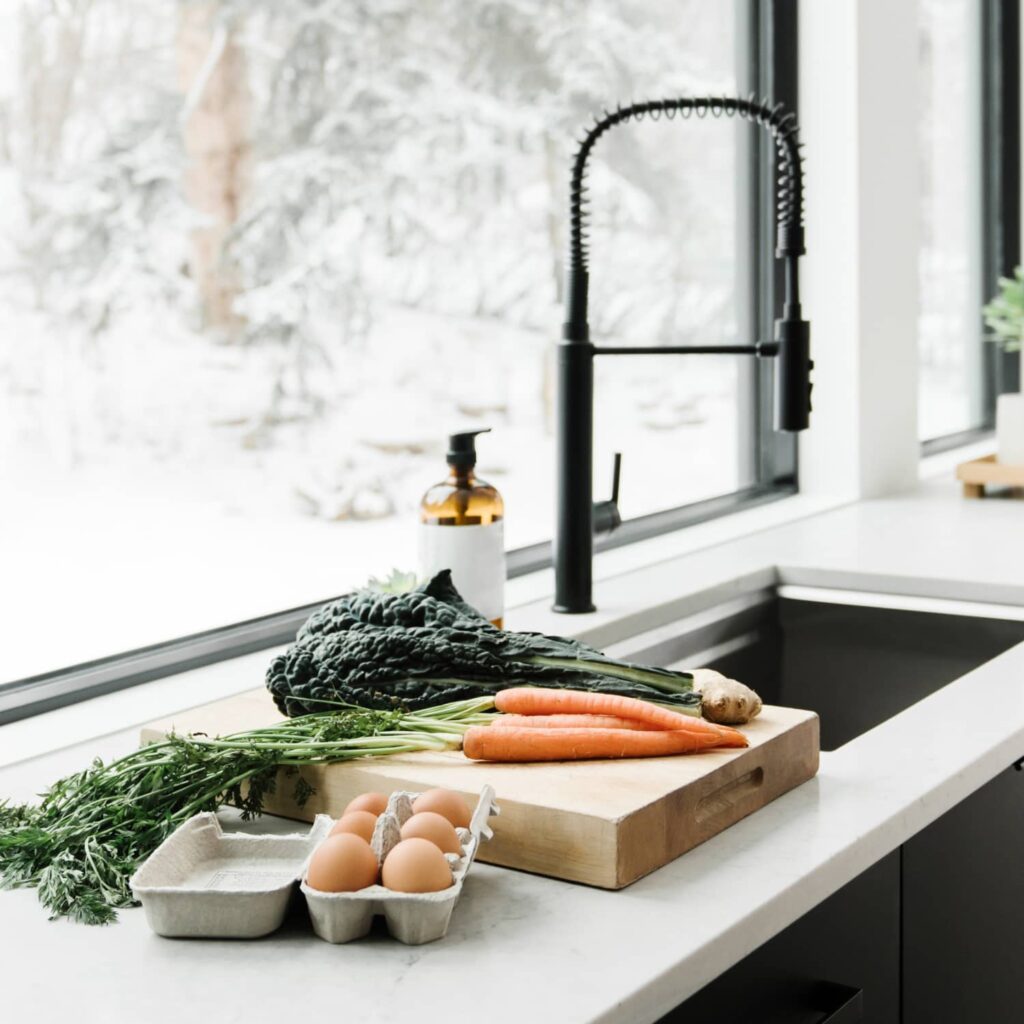
Overall, crafting a balanced diet does not have to be a complex endeavor. By streamlining your eating habits, you can unlock the door to a healthier lifestyle that invites you to savor the beauty of simplicity. Explore different methods and discover what resonates with your personal preferences, enabling you to appreciate the essence of each meal, enriching your life, one bite at a time.
DISCOVER MORE: Click here to unlock your workspace potential
Creating a Balanced Plate
One of the cornerstones of simplified eating is the concept of a balanced plate. This approach not only ensures that you consume a variety of nutrients but also makes meal planning less overwhelming. Visualize your plate as a canvas where every color, texture, and flavor plays a crucial role. To achieve balance, aim for the following proportions:
- Half of your plate: Fresh fruits and vegetables. These provide essential vitamins, minerals, and fiber.
- One quarter: Healthy carbohydrates. Whole grains such as brown rice, quinoa, and whole wheat pasta give you lasting energy.
- One quarter: Lean proteins. Sources like chicken, fish, beans, or tofu help repair body tissues and keep you feeling full.
By visualizing your meals this way, the process of organizing your diet becomes clear and manageable. Moreover, studies show that incorporating a colorful variety of these food groups can stimulate your appetite and make meals more enjoyable. As you practice this method, you’ll likely discover new favorite combinations that make healthy eating both satisfying and fulfilling.
Mindful Eating Practices
Another vital aspect of the art of simplicity in eating is practicing mindfulness during meals. In our fast-paced society, where distractions are abundant, it’s easy to rush through our food without truly savoring it. Mindful eating encourages you to slow down and appreciate the flavors and textures of every bite. Consider adopting these practices:
- Eat without distractions: Make it a point to have meals away from screens and other distractions. This allows for a focused dining experience.
- Chew thoroughly: Take your time to chew each bite, which not only enhances your enjoyment but also aids in digestion.
- Listen to your body: Pay attention to your hunger and fullness cues to guide portion sizes and meal frequency.
Research suggests that incorporating these mindful eating practices can lead to improved digestion and greater satisfaction with meals. In fact, individuals who engage mindfully with their food often report lower levels of stress and anxiety regarding their eating habits. As a result, this not only fosters a healthier relationship with food but also promotes overall well-being.
Simplifying Snack Choices
Snacking can often derail healthy eating efforts, especially when temptation lurks in the form of processed convenience items. However, simplifying your snack choices is a straightforward strategy that reinforces your dietary principles. Instead of reaching for chips or sugary bars, consider these simple and nutritious snack alternatives:
- Fresh fruit such as apples or bananas
- Nut butter with whole-grain crackers
- Homemade trail mix with nuts and seeds
- Greek yogurt topped with honey and berries
These options not only provide nutritional benefits but also promote satiety, helping you avoid the mid-afternoon energy slump. By planning and preparing wholesome snacks in advance, you reduce the likelihood of impulse eating. Furthermore, these easier selections align perfectly with your overarching goal of a simplified, organized diet.
| Advantage | Description |
|---|---|
| Healthy Eating Habits | By simplifying your diet, you create an environment that nurtures healthy eating habits, reducing the temptation of processed foods. |
| Increased Energy Levels | A well-organized meal plan can lead to increased energy levels, encouraging physical activity and improving overall well-being. |
Emphasizing simplicity in your dietary choices can profoundly impact your health. Healthy eating habits allow for better management of weight and can reduce the risk of chronic diseases. For instance, by opting for whole, unprocessed foods, one can easily get essential nutrients without excessive caloric intake. Moreover, as you embrace a less complicated diet, you may experience significant improvements in your energy levels. This can lead to more active engagement in daily activities and sports, enhancing both physical fitness and mental clarity. The art of simplicity not only organizes your food choices but also streamlines your life, paving the way for a healthier and more vibrant existence. Explore more ways to implement simplicity in your diet by examining meal prepping techniques and exploring clean eating recipes tailored to your lifestyle.
DIVE DEEPER: Click here to uncover the art of simplicity
Meal Preparation as a Tool for Simplicity
Incorporating meal preparation into your routine can greatly simplify the process of maintaining a healthy diet. By dedicating a few hours each week to prepare meals and snacks in advance, you eliminate the daily stress of deciding what to eat. This strategic approach not only saves time but also reduces the temptation to opt for unhealthy choices on impulsive days. Here are some effective strategies to enhance your meal prep experience:
- Plan your menu: Start by selecting a handful of recipes you love that align with your balanced plate goals. Aim for dishes that can be easily scaled up, allowing for leftovers that can serve as lunch or dinner for the following days.
- Set aside a prep day: Choose a day, often Sunday, to devote to cooking and assembling meals. Cook grains, roast vegetables, and portion out proteins, ensuring that your refrigerator is stocked for the week ahead.
- Create a system: Use reusable containers to store your cooked meals or ingredients. Label them with dates or meal types to keep your food organized and easy to identify.
Studies have shown that individuals who engage in meal prep are more likely to succeed in their health goals. This structured approach not only curbs portion sizes but also enhances the likelihood of consuming more home-cooked meals, which are typically lower in calories than restaurant alternatives. Moreover, preparing meals with your family can foster a sense of community and teach valuable life skills to younger generations, linking them to healthy habits from an early age.
Embracing Seasonal Ingredients
A fundamental principle of simplified eating is to embrace seasonal ingredients. Eating with the seasons introduces variety into your diet, allowing you to enjoy foods at their peak freshness, flavor, and nutritional value. In the United States, farmers’ markets and community-supported agriculture (CSA) programs make it easier than ever to access local produce. Here are some benefits of focusing on seasonal eating:
- Flavor and nutrition: Seasonal produce is often harvested at its peak ripeness, yielding better taste and higher nutrient content. For instance, vibrant summer tomatoes offer a completely different flavor profile than their out-of-season counterparts.
- Cost savings: Seasonal fruits and vegetables are typically more affordable, as they are more abundant during harvest times. This cost-effectiveness encourages consumers to opt for wholesome ingredients without breaking the bank.
- Supporting local agriculture: By purchasing seasonal produce from local farms, you’re contributing to the sustainability of your community and reducing the environmental impact associated with long-distance food transportation.
Incorporating a variety of seasonal ingredients into meals can spark creativity in cooking. Consider utilizing apps or websites that offer seasonal produce guides, making it easier to discover which foods are currently in season. As you experiment with different fruits and vegetables, you’ll likely find new mouthwatering combinations that align with your quest for simplicity in eating.
The Role of Hydration
An essential, yet often neglected component of organizing your diet, is proper hydration. Water plays a critical role in digestion, nutrient absorption, and overall well-being. Adopting a hydration strategy can enhance your dietary practice and make it easier to maintain a healthy lifestyle. Here are some tips:
- Set daily goals: Aim for at least half your body weight in ounces of water each day. For instance, if you weigh 150 pounds, target approximately 75 ounces of water daily.
- Choose water-rich foods: Incorporate hydrating fruits and vegetables such as cucumber, watermelon, and oranges into your diet. These foods not only contribute to hydration but also provide essential nutrients.
- Utilize a reusable water bottle: Carrying a water bottle throughout the day can serve as a reminder to drink more water, making hydration an effortless part of your routine.
Research indicates that proper hydration enhances cognitive function and physical performance while reducing hunger cues. By ensuring you’re adequately hydrated, you not only support your overall health but also make it easier to make reasonable food choices as your body is less likely to confuse thirst for hunger.
DIVE DEEPER: Click here to discover the importance of intentionality in minimalist design
Conclusion: Cultivating a Simpler Eating Experience
As we navigate the complexities of modern life, the art of simplicity in eating emerges as a transformative approach to achieving a healthier lifestyle. By adopting strategies such as meal preparation, embracing seasonal ingredients, and prioritizing proper hydration, you can streamline your diet and foster lasting wellness.
Meal preparation not only alleviates daily decision-making stress but also cultivates a mindful relationship with food, encouraging the consumption of nutritious and satisfying meals. In addition, incorporating seasonal ingredients into your meals not only enhances flavor and nutrition but also supports local economies and reduces environmental impact. Coupled with a commitment to staying hydrated, these practices offer holistic benefits that go beyond mere dietary changes.
Ultimately, simplicity in eating does not reside solely in the food choices you make, but also in the mindset you cultivate around those choices. Emphasizing quality over quantity, embracing meal diversity, and reflecting on your eating habits can facilitate a smoother path to achieving your health goals. Take the first step by experimenting with these strategies, and you may discover that a simplified approach to eating matches not only your nutritional needs but also your lifestyle aspirations.
As we wrap up this exploration into organizing your diet, consider how these principles can be applied to your unique situation. Explore new recipes, plan a meal prep day, or visit a local farmer’s market. The journey toward healthier eating is ultimately personal and requires continuous adaptation. In this quest for simplicity, you might find that nourishing your body and connecting with food can be both a delightful and fulfilling experience.