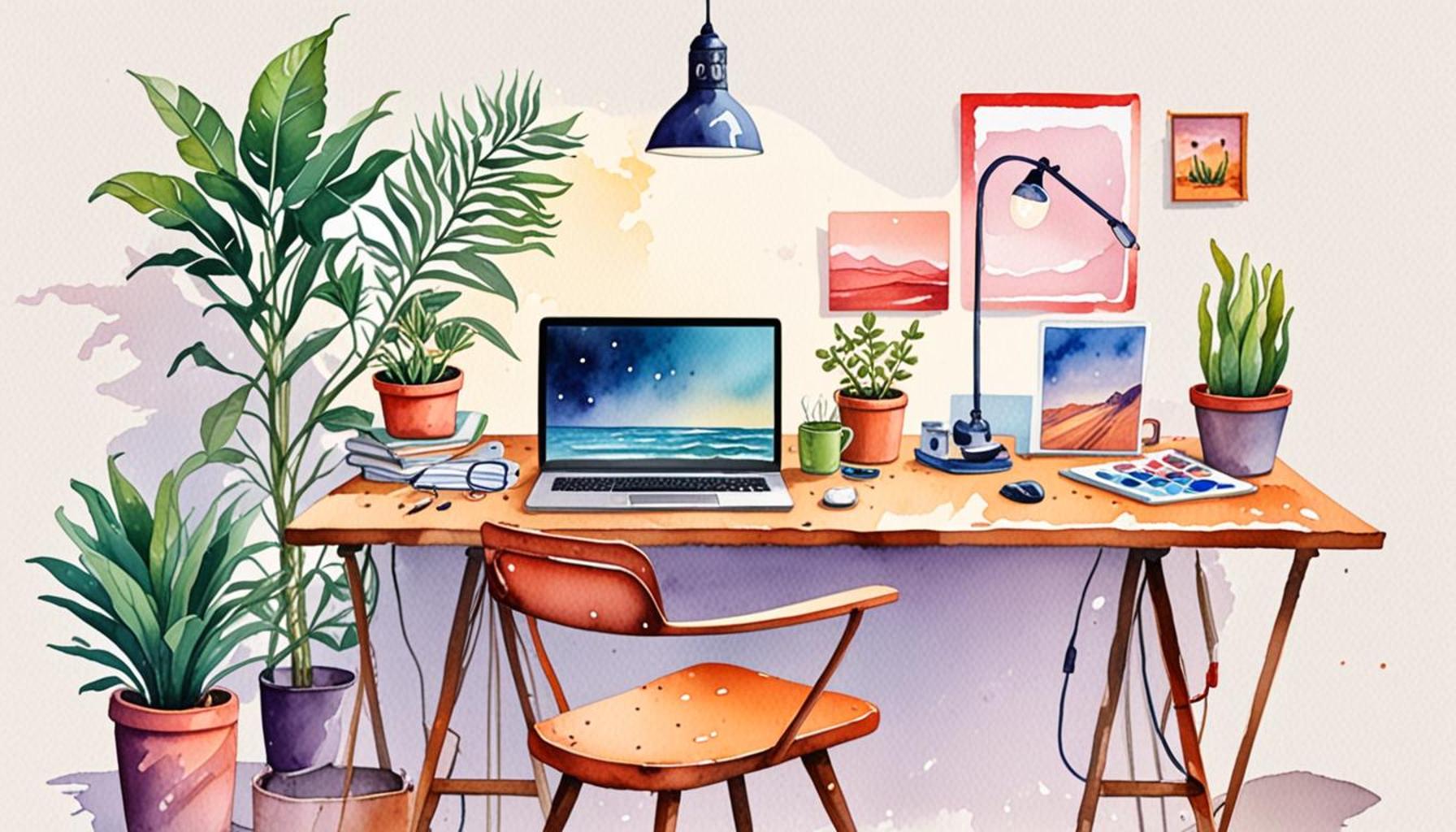
The Impact of Simplicity on Mental Health: Reducing Stress Through Organization
The Importance of Simplicity in Enhancing Mental Health
In today’s world, where connectivity and constant stimulation are ubiquitous, many individuals are beginning to recognize the importance of simplicity as a vital component of mental well-being. The prevalence of stress and anxiety, exacerbated by chaotic lifestyles, creates a yearning for tranquility. Research indicates that our environments significantly influence our mental states; thus, creating streamlined spaces can facilitate not only peace but also productivity.
Reducing Clutter
A disorganized environment can be visually and mentally overwhelming. When faced with clutter—whether it’s a packed desk, a disordered living room, or a chaotic digital workspace—individuals often experience cognitive overload. This leads to heightened levels of stress, as the brain is continuously impacted by the visual noise of disarray. According to a study conducted by the Princeton University Neuroscience Institute, physical clutter competes for your attention, making it difficult to focus. By committing to a decluttering routine, one can promote a more calming atmosphere. For instance, implementing a “one in, one out” rule can help maintain order. When acquiring new items, individuals should consider removing something existing to prevent accumulation.
Enhancing Focus
A simpler environment not only cultivates a sense of physical space but also enriches mental clarity. When distractions are minimized, individuals can concentrate on their tasks more effectively. A study published in the journal “Environment and Behavior” found that people working in organized spaces performed significantly better than those in cluttered areas. Companies across the United States are now adopting open office designs that reduce unnecessary distractions, thereby optimizing employee productivity. Simple practices such as using minimalist design principles in workspaces can significantly enhance focus and creativity, allowing individuals to work on what genuinely matters.
Promoting Wellness
Organized spaces establish routines and foster a sense of control, which can play a crucial role in improving mood. The act of organizing isn’t merely about aesthetics; it’s about creating an environment conducive to well-being. For example, a well-structured morning routine that includes tidying up can set a productive tone for the day. Research indicates that individuals who maintain organized living and working spaces report higher levels of satisfaction and lower anxiety levels. This sense of order leads to an overall improved outlook on life, translating to better emotional health.
With the fast-paced nature of life in the United States, where people sometimes feel like they are running from one appointment to another, embracing simplicity is more relevant than ever. Studies indicate that adopting minimalism as a lifestyle choice can offer profound therapeutic benefits. This article aims to delve deeper into how practicing simplicity can lead to enhanced mental health. As we explore practical strategies and consider the transformative power of organization, readers will find themselves well-equipped to create spacious and serene environments that promote peace of mind.
DIVE DEEPER: Click here to unlock the secrets of a minimalist workspace
Understanding the Connection Between Simplicity and Mental Clarity
The relationship between simplicity and mental clarity is profound and deserves scrutiny, especially in an age where distractions are omnipresent. Simple living is not just a trend; instead, it embodies a philosophy that seeks to declutter the mind and environment alike. This simplicity can significantly impact an individual’s mental health, mitigating feelings of stress and anxiety that stem from an overcrowded lifestyle.
The Role of Environment in Mental Health
Research has consistently shown that our physical environments play a crucial role in shaping our mental states. A study by The University of California found that individuals exposed to clutter and disorganization are more likely to experience symptoms of depression and anxiety. When homes and workplaces become overloaded with items and distractions, it creates a sense of chaos that can reverberate through our thoughts and emotions.
To address this issue, many mental health professionals advocate for organized living spaces. By choosing to simplify one’s surroundings, individuals can eliminate stressors that contribute to overwhelming feelings. Here are a few strategies that can pave the way for more organized living:
- Prioritize Essentials: Identify and keep only the items that serve a purpose or hold sentimental value.
- Establish Designated Spaces: Assign specific areas for certain activities, such as a workspace for work-related tasks and a relaxation nook for leisure.
- Regularly Evaluate Possessions: Set aside time each month to reassess belongings and donate or discard unnecessary items.
Creating a Mindful Routine
Incorporating simplicity into daily routines can yield significant improvements in mental health. Mindfulness practices—when combined with organizational strategies—can create a calming framework for life. Engaging in habitual activities like morning routines that promote decluttering can set a positive tone for the day ahead. Research from Harvard University highlights that structured routines can lead to improved mental health through the establishment of predictable patterns in an unpredictable world.
Additionally, a simplified approach to scheduling can enhance well-being. By minimizing commitments and focusing on a few meaningful activities, people can reduce stress. A study published in the journal “Health Psychology” found that individuals who planned their days with simplicity in mind reported decreased anxiety levels and a greater sense of control over their lives.
In summary, the impact of simplicity on mental health is far-reaching. By recognizing the benefits of organization and decluttering, individuals can cultivate healthier environments and routines. Such practices not only enhance focus and productivity but also promote emotional resilience. As we continue to explore how simplicity fosters mental clarity, the journey toward a more organized, peaceful life becomes increasingly attainable.
The Role of Minimalism in Reducing Anxiety
In today’s fast-paced society, clutter has become synonymous with stress, leading individuals to seek minimalism as a lifestyle choice. Embracing simplicity can not only declutter physical spaces but can also enhance mental clarity. Research indicates that less physical clutter can lead to lower stress levels and a heightened sense of well-being. By engaging in minimalism, individuals often experience a sense of freedom from unnecessary distractions that cloud their mental space.
Organizational Strategies for a Calmer Mindset
Implementing effective organizational strategies can greatly impact one’s mental health. Techniques such as the Pomodoro Technique, where tasks are broken into manageable chunks separated by short breaks, can improve concentration and productivity. Moreover, creating to-do lists promotes a clear structure to daily activities, reducing overwhelm and fostering a sense of accomplishment. Individuals often report feeling more in control and less anxious when their tasks are visually organized.
Creating Spaces for Relaxation
Furthermore, personal spaces that embody simplicity have shown to provide a sanctuary for relaxation. Arranging a home to eliminate chaos by promoting open spaces, natural light, and soothing colors can significantly influence mood. Individuals can cultivate environments that are conducive to stress relief by incorporating plants, comfortable seating, and minimalistic decor. These changes can transform an ordinary space into a retreat that fosters mental peace.
| Category | Details |
|---|---|
| Mental Clarity | Simplifying environments enhances focus and reduces distractions. |
| Task Management | Using structured approaches alleviates overwhelm by breaking tasks into manageable parts. |
| Relaxation Spaces | Well-organized areas create atmospheres that promote mental peace and reduce anxiety. |
DISCOVER MORE: Click here to dive deeper
Embracing Minimalism as a Pathway to Calm
Minimalism, a lifestyle choice that emphasizes the removal of excess, is at the forefront of the conversation surrounding simplicity and mental health. The minimalist philosophy advocates for a life filled with intentionality—where each possession and commitment holds value and meaning. This shift towards essentialism not only lightens physical burdens but also alleviates psychological stress.
The Psychological Benefits of Minimalism
Studies have shown that adopting a minimalist approach can lead to improved overall well-being. A report from the American Psychological Association found that individuals who engage in minimalism experience heightened mental clarity and lower levels of anxiety. By surrounding themselves with fewer items, individuals often report feeling less distracted, which can lead to deeper focus and enhanced creativity.
The act of decluttering one’s space can serve as a therapeutic release for emotional baggage. Many find that engaging in the process of letting go is a form of self-care, allowing them to confront past experiences tied to certain possessions. Furthermore, when individuals simplify their physical spaces, they often find clearer paths to emotional and psychological health.
- Emotional Clearing: Each item kept can carry emotional weight. Clearing away non-essential items liberates individuals from attachments that no longer serve them.
- Boosting Creativity: A clutter-free environment fosters creativity by creating a backdrop that is conducive to free thinking and innovation.
- Improved Decision-Making: Minimalism simplifies daily life, reducing choices and leading to quicker, less stressful decision-making processes.
Simplicity in Digital Spaces
As technology becomes increasingly integrated into our day-to-day lives, it is essential to consider the impact of digital clutter. A survey from Pew Research Center reveals that over 70% of Americans feel overwhelmed by the amount of information they encounter online. This digital clutter can manifest in various forms, from overflowing email inboxes to excessive social media notifications, contributing to heightened stress levels.
Implementing digital simplicity can be beneficial for mental health. Strategies such as managing screen time, organizing digital files, and curating social media feeds can help individuals reclaim their attention and focus. Research indicates that people who regularly audit their digital lives report feeling less stressed and more in control. Simple actions like unsubscribing from unnecessary newsletters or scheduling ‘tech-free’ time can also reinforce boundaries that support mental well-being.
- Curate Digital Content: Follow accounts and subscribe to content that aligns with personal values and promotes positivity.
- Implement Time Limits: Set specific time constraints on social media usage to prevent overwhelm.
- Organize Digital Assets: Regularly purge and categorize files on devices to streamline access and reduce frustration.
Through the adoption of minimalism and the organization of digital spaces, individuals can significantly improve their mental health. The principles of simplicity not only ease the physical and emotional weight one carries but can also enhance the overall quality of life. As we continue to explore the ways in which simplification fosters mental clarity, it becomes evident that these practical approaches can lead to a calmer, more purposeful existence.
DISCOVER MORE: Click here to learn about intentionality in minimalist spaces
Conclusion: The Transformative Power of Simplicity
In a world overwhelmed by chaos and complexity, embracing simplicity emerges as a vital antidote to stress and anxiety. The insights gathered throughout this exploration reveal that whether through minimalism in physical spaces or the organization of digital environments, simplifying our lives can notably enhance our mental health. The act of decluttering not only removes physical distractions but also frees individuals from emotional burdens, fostering a sense of peace and clarity.
As highlighted by research, the psychological benefits of adopting a minimalist lifestyle are profound. Individuals who actively engage in simplifying their surroundings often report significantly lower anxiety levels, improved focus, and a reinvigorated sense of creativity. Additionally, taking steps towards digital simplicity—such as curating content and managing screen time—invites an empowering shift, allowing individuals to reclaim control over their attention and emotional state.
Ultimately, the impact of simplicity extends beyond mere organization; it cultivates intentional living, where every choice and item resonates with personal value. As we continue to navigate the fast-paced demands of modern life, prioritizing a straightforward, organized approach can pave the way to a healthier, more fulfilling existence. By embracing simplicity, we are not only reducing stress but also inviting a profound transformation in our mental well-being, encouraging a lifestyle that celebrates calm, clarity, and purpose.