
Adventures in Nature: Ecotourism Itineraries in Local Communities of Nigeria
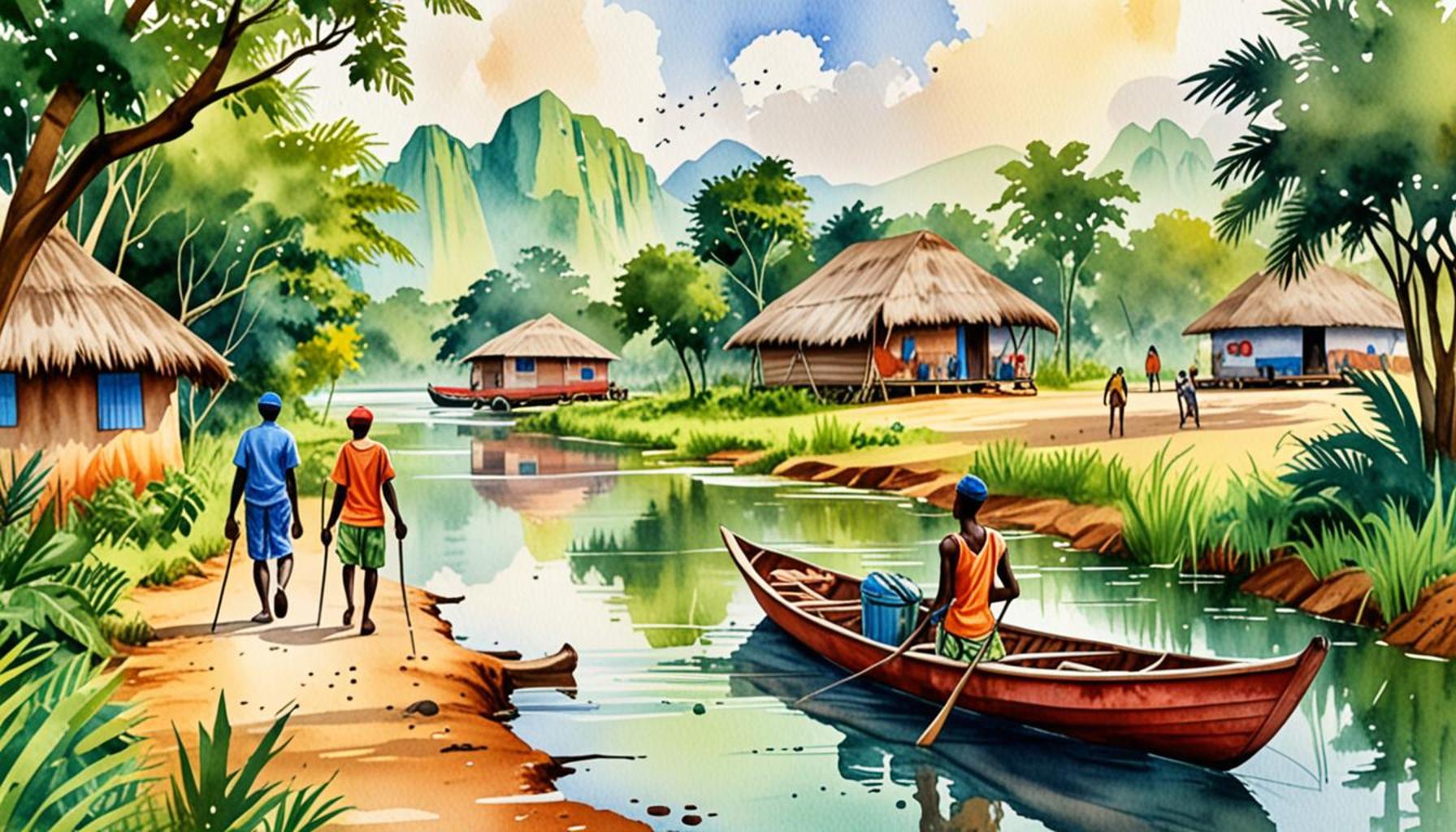
A Journey Through Nigeria’s Ecotourism Offerings
Nigeria’s rich tapestry of landscapes encompasses a variety of ecosystems, making it a prime destination for those seeking eco-adventures. With its expansive rainforests, sprawling savannas, and arid deserts, the country offers a multitude of experiences that not only engage travelers with the natural world but also foster connections with local communities.
Ecotourism in Nigeria emphasizes the importance of sustainable travel practices that prioritize the well-being of both the environment and the people who inhabit it. As travelers venture into this vibrant nation, they are presented with unique opportunities to immerse themselves in the following:
- Cultural Experiences: Nigeria is home to over 250 ethnic groups, each with its own distinct traditions and cultural heritage. Tourists can visit the Fulani herders in northern Nigeria to learn about their nomadic lifestyle and age-old cattle-rearing practices. Similarly, engaging with the Ibibio and Efik communities in the south offers insights into their rich storytelling traditions, colorful attire, and local culinary delicacies.
- Wildlife Encounters: Nigeria boasts a diverse range of wildlife, including endangered species like the Cross River gorilla and African forest elephant. Protected areas such as Gashaka-Gumti National Park and Yankari Game Reserve provide sanctuaries for these creatures and opportunities for travelers to enjoy guided safaris and birdwatching excursions, enriching their understanding of Nigeria’s ecological significance.
- Scenic Hikes: For adventure enthusiasts, the breathtaking trails found in locations such as Obudu Mountain Resort in Cross River State and the trails of the Kalakuta Republic offer not only stunning vistas but also encounters with local flora and fauna. Hiking through these terrains allows explorers to witness the intricate balance of ecosystems while enjoying the fresh air and serene surroundings.
As the ecotourism movement grows in Nigeria, local communities are increasingly empowered through initiatives that promote sustainability. By participating in these experiences, travelers contribute to the economy while gaining a deeper appreciation for the country’s natural beauty and its rich cultures.
This article will explore some of the most captivating itineraries for ecotourism available in Nigeria. Readers will find inspiration and detailed guidance on planning unforgettable journeys that leave a positive impact on both the environment and the local communities they encounter.
SEE ALSO: Click here to read another article
Exploring Nigeria’s Ecotourism Gems
Ecotourism in Nigeria is a vibrant tapestry woven with opportunities for adventure, cultural immersion, and wildlife appreciation. The vastness of Nigeria’s landscapes offers travelers unmatched experiences, and engaging with local communities elevates these adventures as visitors gain enriching insights into the lives of those who call these areas home. Below are some of the most compelling ecotourism itineraries that promise excitement while putting sustainability at the forefront.
Discovering the Idanre Hills
In the southwestern region, the Idanre Hills offer a breathtaking backdrop for hikers and nature enthusiasts. This UNESCO World Heritage site is known for its stunning panoramic views, lush vegetation, and unique geological formations. Adventurers can embark on a guided hike that navigates the 600 steps leading to the summit, where they are rewarded with views of the surrounding landscapes and the opportunity to explore ancient shrines and the rich history of the Idanre people. Visitors are encouraged to interact with local artisans, where they can purchase handmade crafts and learn about the region’s traditions.
Engaging with the Kanuri People
Further north, the Kanuri communities in Borno State provide another intriguing glimpse into Nigeria’s diverse cultures. Tourists can participate in village tours where they can witness traditional practices such as pottery-making and weaving. The Kanuri language is also an essential part of this experience, with local guides sharing stories and folklore that reflect their heritage. Engaging with these communities not only fosters understanding but also promotes the preservation of their rich traditions. Those interested in history can even explore nearby Lake Chad, an area of ecological significance with its own set of flora and fauna.
Safari Adventures in Yankari Game Reserve
For wildlife lovers, Yankari Game Reserve is a must-visit destination. Renowned for its diverse wildlife, the reserve is home to elephants, baboons, and numerous bird species. Here, visitors can embark on guided safaris that allow them to experience the thrill of wildlife spotting in their natural habitats. This reserve is also notable for its natural hot springs, where weary travelers can relax while being surrounded by untamed wilderness. Engaging with local tour guides ensures that tourists gain valuable insights into wildlife conservation efforts and the ecological challenges faced by these majestic animals.
Trekking the African Rainforest
Deep within the Tinapa Forest, in Cross River State, adventure seekers can trek through one of Nigeria’s most breathtaking rainforests. This area is characterized by its incredible biodiversity, making it ideal for birdwatchers and plant enthusiasts alike. Hikers can join community-led eco-tours which promote sustainable practices while providing evidence of traditional uses of local flora, such as medicinal plants. This not only supports local economies but also educates travelers on the importance of conservation and ecological balance.
As Nigeria continues to develop its ecotourism sector, these engaging itineraries highlight the interdependence of adventure, culture, and sustainability. By choosing ecotourism, travelers find themselves part of a larger movement toward preserving Nigeria’s natural heritage and empowering its communities.
| Ecotourism Benefits | Local Community Impact |
|---|---|
| Environmental Conservation | Strengthens local economies through sustainable practices. |
| Cultural Preservation | Promotes awareness and appreciation of indigenous cultures and traditions. |
Exploring the ecotourism itineraries in local Nigerian communities unveils a myriad of benefits that go beyond mere leisure. Firstly, engaging in ecotourism significantly boosts environmental conservation efforts. Tourists contribute to preserving the rich biodiversity, while also participating in efforts aimed at protecting endangered species native to Nigeria. The financial influx from ecotourism plays a vital role in funding conservation projects, ensuring that the natural environment remains untouched and thriving.Moreover, cultural preservation is a critical aspect of these ecotourism initiatives. Visitors can immerse themselves in the vibrant tapestry of Nigeria’s diverse cultures, learning about ancient customs and traditions. This promotes respect and fosters a deep appreciation for the local way of life. Community members not only share their heritage through guided tours but also benefit financially, creating a path towards economic self-sufficiency. In this way, ecotourism in Nigeria is much more than a travel experience; it’s a movement aimed at protecting both the environment and its people.
RECOMMENDED: Check out this similar article
Cultural Immersion Through Ecotourism
Nigeria’s ecotourism experiences extend beyond breathtaking landscapes; they delve deep into the rich cultural heritage of its various ethnic groups. Travelers have the opportunity to engage in immersive experiences that foster respect, understanding, and appreciation for the diverse communities scattered throughout the nation.
Experiencing the Yoruba Festivals
One of the most vibrant ways to connect with Nigeria’s rich culture is by participating in local festivals. The Oshun-Osogbo Festival in Osun State is one such event that draws both local and international visitors. Celebrated in honor of the river goddess, this festival showcases the rich traditions of the Yoruba people through music, dance, and rituals. Tourists can join in the festivities, interact with local performers, and learn about the significance of rituals that have been passed down through generations. Attending such festivals not only enhances one’s understanding of Yoruba traditions but also supports the local economy by increasing tourism-related revenue.
Canoeing on the Niger River
The Niger River, one of the longest rivers in Africa, presents another thrilling avenue for ecotourists. Taking guided canoe trips allows for a unique perspective of the diverse ecosystems of Nigeria. Along the riverbanks, travelers can witness the traditional fishing practices of local communities while spotting various bird species and other wildlife. Engaging with local fishermen provides insights into sustainable fishing practices and the challenges faced in maintaining the river’s ecological health. This experience is perfect for those who appreciate serene landscapes intertwined with the industriousness of local livelihoods.
Hiking through the Mambilla Plateau
In the southeastern part of Nigeria lies the breathtaking Mambilla Plateau, known for its rolling hills, vibrant tea plantations, and cooler temperatures. Hiking enthusiasts can embark on trails that not only reveal picturesque views but also lead them through small villages. These hikes allow tourists to interact with the indigenous Fulani people, who are known for their pastoral lifestyle and rich heritage. Visitors can enjoy traditional meals prepared with local ingredients and participate in cooking classes that highlight the unique flavors of Nigerian cuisine, thus creating a tangible connection to the land and its inhabitants.
Conservation Efforts in Okomu National Park
Ecotourism in Nigeria also sheds light on essential conservation efforts. Okomu National Park in Edo State is a significant habitat for endangered species such as the white-throated monkey and several species of birds. Guided eco-tours offer visitors the chance to explore the dense rainforests while learning from environmental specialists about ongoing conservation projects aimed at protecting biodiversity. Participating in tree-planting initiatives or wildlife monitoring activities allows tourists to contribute to conservation efforts and fosters a sense of responsibility toward preserving Nigeria’s natural heritage. This level of engagement can inspire travelers to become advocates for environmental sustainability even after they return home.
Through these captivating itineraries, Nigeria is emerging as a premier destination for ecotourism, blending adventure with cultural depth and ecological awareness. Tourists are not merely observers; they become active participants in a journey that enriches both their lives and the lives of their hosts, ultimately ensuring the survival of these local communities and their environments.
ADDITIONAL INSIGHTS: Expand your understanding here
Conclusion: Embracing the Wonders of Nigeria’s Ecotourism
As we explore the extraordinary possibilities of ecotourism in Nigeria, it’s evident that the adventures in nature extend far beyond mere sightseeing. Through immersive activities such as joining the Oshun-Osogbo Festival, canoeing on the majestic Niger River, hiking the stunning Mambilla Plateau, and participating in conservation efforts at Okomu National Park, travelers are invited to build genuine connections with the rich culture and natural beauty of the country.
Nigeria’s local communities serve as vital custodians of cultural and ecological heritage, offering travelers more than just picturesque landscapes. They present a unique opportunity to embrace and understand the diverse customs and sustainable practices that have shaped their identities. Every interaction, from cooking traditional meals with the Fulani people to contributing to vital conservation projects, empowers visitors to leave a positive imprint on these communities.
In an age where sustainable travel is increasingly prioritized, Nigeria stands out as a beacon of potential. With every step taken on its trails, every interaction with its residents, and every moment spent in its conservation areas, tourists have the power to influence local economies while nurturing a profound respect for nature. With Nigeria’s ecotourism itineraries, adventures in nature are not just escapades; they are pathways to fostering a deeper appreciation for the planet while contributing to its preservation. A journey here is indeed a commitment to exploring, understanding, and protecting the natural treasures and cultures that make Nigeria truly unique.