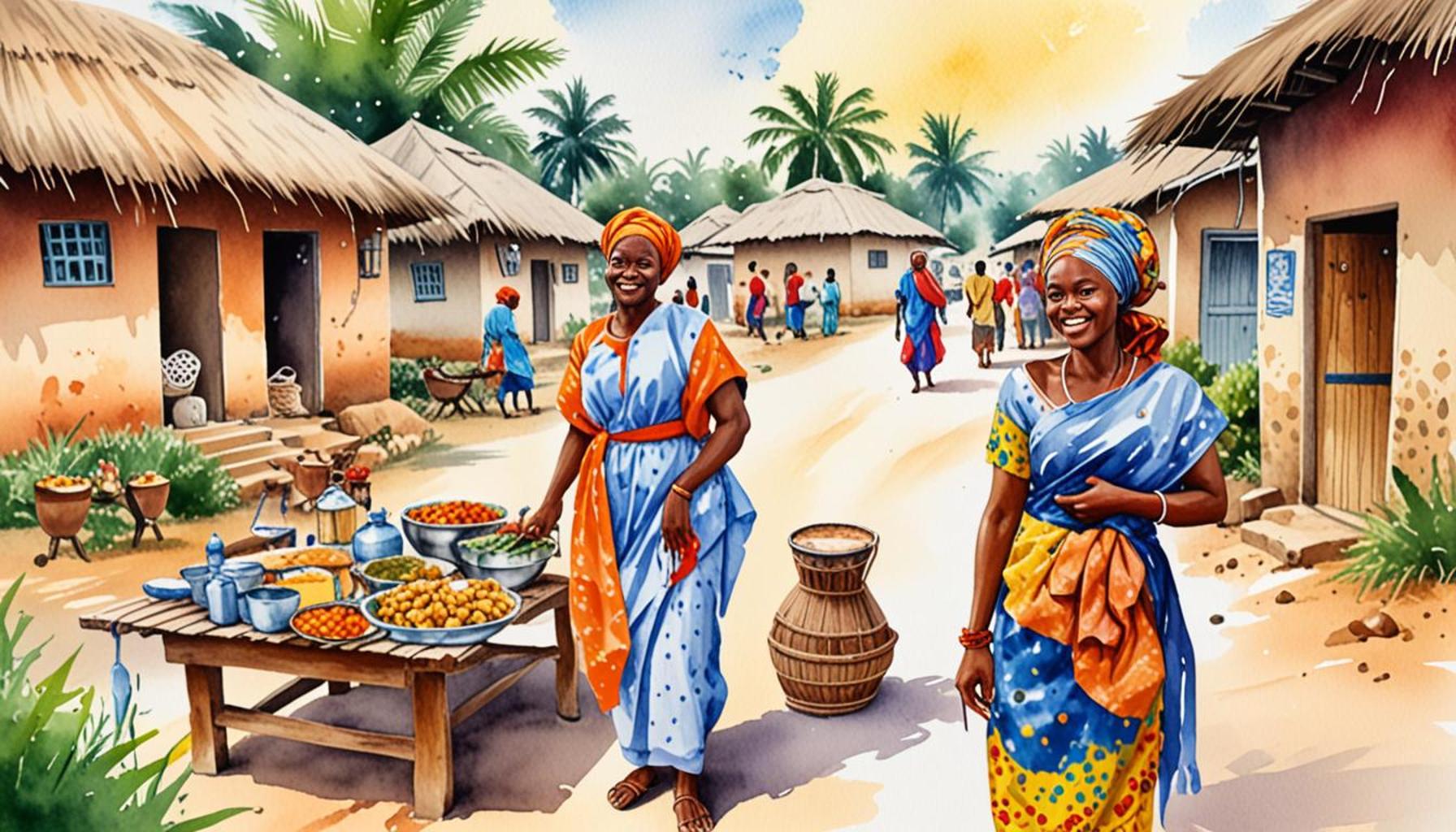
Flavors of the Countryside: A Culinary Journey Through the Homemade Recipes of Nigeria’s Villages
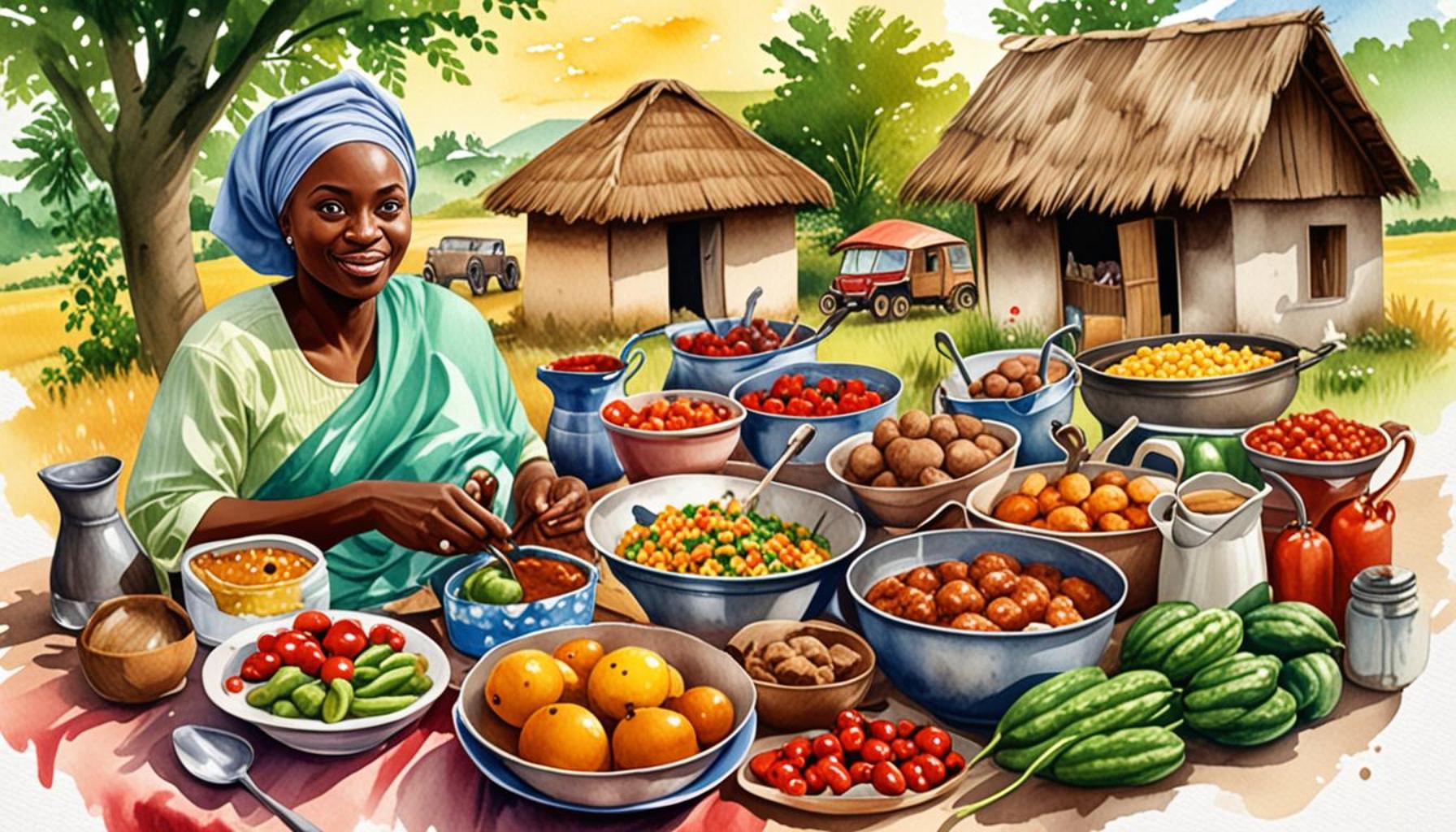
Explore the Heart of Nigerian Cuisine
Nigeria’s villages teem with rich traditions and unique culinary practices that offer a glimpse into the nation’s soul. Each meal tells a story, shaped by local ingredients, cultural influences, and generational knowledge. In this journey, we will uncover the flavors that define the countryside and the homemade recipes cherished by families.
What Makes Village Cooking Special?
Village cuisine in Nigeria is notable for its authenticity and creativity, boasting dishes that are not just food but a celebration of community and tradition. These meals are often made from scratch, using time-honored practices passed down through generations. Here are some key aspects that make these dishes exceptional:
- Locally Sourced Ingredients: Fresh ingredients are the backbone of village cuisine. Farmers often grow a variety of vegetables like ugu (pumpkin leaves), bitter leaf, and yams, which contribute to the vibrant flavors of traditional dishes. For instance, the use of egusi (melon seeds) to thicken and enrich soups like egusi soup highlights both local agriculture and culinary ingenuity.
- Traditional Cooking Methods: Techniques such as pot roasting, smoking, and fermentation add distinct flavors to the meals. The art of smoking fish or meats over open flames, a common practice in many villages, imbues these ingredients with a unique aroma and taste, elevating simple dishes like catfish pepper soup into a culinary experience.
- Cultural Significance: Many recipes are intricately tied to local rituals, celebrations, and community events. With dishes like jollof rice often featured in weddings and major festivities, food serves as a heartwarming reminder of shared heritage. Each recipe is a chapter from the community’s history, preserving the essence of cultural identity while adapting to modern tastes.
As we dive deeper into the delectable world of homemade recipes from Nigeria’s villages, prepare to savor the enticing combinations of flavors and textures. For example, traditional dishes such as ipekute (a spiced yam and vegetable dish) or ofada rice served with a rich pepper sauce, transport you to the heart of village life. These meals not only nourish the body but also connect us to our roots, celebrating the diverse culinary tapestry of Nigeria.
In conclusion, exploring village cuisine is more than just enjoying delicious meals; it is an immersive experience that offers insight into the richness of Nigerian culture. As you consider these unique culinary practices, you may find yourself inspired to discover and perhaps even recreate these dishes, continuing the legacy of a vibrant and enduring food culture.
ADDITIONAL INSIGHTS: Expand your understanding here
Ingredients of Tradition: The Foundations of Village Recipes
At the heart of Nigeria’s village cuisine lies a commitment to harnessing nature’s bounty. The countryside is characterized by smallholder farmers who cultivate their land with dedication, leading to a diverse and rich array of ingredients that vary by region and season. From the lush fields of the North to the vibrant markets in the South, one can find an impressive selection of produce, grains, and proteins that not only nourish but also reflect the unique terroir of each locality.
Staple Ingredients That Shape Dishes
When discussing the essence of village recipes, one cannot overlook the significance of staple ingredients that form the backbone of many beloved dishes. Here are some key components:
- Yams and Cassava: Root vegetables such as yams and cassava serve as essential staples across Nigeria. Frequently boiled, pounded, or transformed into delicious dishes like yam porridge and cassava eba, these ingredients embody the spirit of nourishment in village life.
- Beans and Peas: Varieties like black-eyed peas and cowpeas provide not just sustenance but also a source of protein for many households. Dishes such as moi moi (steamed bean pudding) and akara (bean cakes) showcase the versatility of these legumes, elevating them to local favorites enjoyed during gatherings and celebrations.
- Fresh Greens: Leafy vegetables like ugu (pumpkin leaves), waterleaf, and bitter leaf are abundant in village gardens. Their vibrant flavors and numerous health benefits make them a vital addition to soups and stews, enhancing dishes like ewedu soup or ofada rice with layers of taste and nutrition.
- Local Proteins: Fish, poultry, and goats make up the protein sources found in village kitchens. Pepper soup featuring smoked fish or nkwobi, a cow foot delicacy, exemplifies how these proteins are turned into culinary treasures, emphasizing the art of flavoring and preserving.
This commitment to fresh, local ingredients sets village cooking apart from urban counterparts, leading to meals that are not only wholesome but also bursting with authenticity. Consider the ever-popular ugu and fish stew, where the sweet taste of farmer-fresh pumpkin leaves melds beautifully with succulent river fish. Such dishes encapsulate the essence of community, often prepared in large quantities for family gatherings, reflecting the joy and camaraderie of sharing food.
As we continue our culinary journey through the villages of Nigeria, we will delve into the cultural stories behind these ingredients and how they merge into unforgettable meals that not only delight the palate but also tell the tale of the land and its people.
| Culinary Insight | Cultural Relevance |
|---|---|
| Authentic Ingredients | Connection to local farming practices |
| Community Bonding | Strengthens family ties through shared meals |
The “Flavors of the Countryside: A Culinary Journey Through the Homemade Recipes of Nigeria’s Villages” dives deep into the richness of Nigeria’s heritage and its culinary practices. In this exploration, the use of authentic ingredients stands out as a vital element, as these locally sourced components are often integral to the recipes passed down through generations. Farmers play a crucial role in this process, maintaining biodiversity while contributing to a sustainable food system. Furthermore, these homemade recipes serve more than just sustenance; they foster community bonding. Shared meals and traditional cooking methods cultivate a sense of belonging and unity among families and neighbors, creating vibrant social networks. This dynamic not only preserves culinary techniques but also celebrates the stories and traditions that form Nigeria’s cultural mosaic. Thus, as you embark on this culinary journey, you will discover not only flavors but also the deep connections that lie behind them, revealing the heart of Nigeria’s rural life.
SEE ALSO: Click here to read another article
The Heart of Culinary Culture: Techniques and Traditions
In the vibrant world of Nigeria’s village cuisine, it’s not just the ingredients that shine, but also the time-honored techniques deeply embedded in culinary traditions. These methods are passed down through generations, often taught by mothers to daughters, allowing each recipe to carry the soul of its origins.
Cooking Methods That Define Flavor
The preparation of food in Nigeria’s rural areas is as much about the process as it is about the ingredients themselves. Here are some of the traditional cooking methods that infuse dishes with distinctive flavors:
- Open Fire Cooking: Many village households prefer the authenticity of cooking over an open flame. This method imparts a unique smoky flavor to dishes. For instance, grilled tilapia served with a side of spicy pepper sauce showcases the beauty and simplicity of open flame grilling, allowing the fish’s natural flavors to shine through.
- Pounding: The art of pounding, often done using a mortar and pestle (known as ijejo in some regions), is a labor-intensive yet rewarding process. The pounding of yam into pounded yam (known locally as iji) creates an incredibly smooth and stretchy texture, essential for pairing with rich soups like bitter leaf soup.
- Braising and Stewing: The use of pots made from clay or metals enhances the flavor profiles during braising and stewing. Ingredients are allowed to slowly mingle and marry, creating complex flavors. Dishes such as esa (a local delicacy made from assorted meats) exemplify this technique, where tender pieces of meat are simmered with a medley of herbs and spices.
- Fermentation: Fermentation plays a crucial role in enhancing flavors and preserving food. The traditional production of ogiri (fermented locust beans) is a prime example. This ingredient not only adds a pungent depth to soups and stews but also serves as an essential component in a nutrient-rich diet.
These traditional methods reflect a profound respect for food and an understanding of the nuances of flavor. They also highlight the communal aspect of cooking in villages. For many families, meal preparation evolves into a collective activity where members bond as they engage in chopping, mixing, and stirring together.
The Stories Behind the Recipes
Beyond the methods and the ingredients, every dish bears a narrative rooted in the community’s history and customs. For example, a dish like nsala soup, typically made with catfish and spices, is often prepared during festive occasions, celebrating milestones in the community. Each family adds their twist, incorporating local ingredients or heirloom recipes, thereby preserving the village’s culinary identity.
The tales of how dishes come into being reveal layers of cultural significance. Each recipe carries memories of grandmothers imparting wisdom to young cooks, reinforcing the idea that food is not merely sustenance, but a vessel for heritage—connecting generations in a profound way.
As we continue our journey through Nigeria’s villages, we reflect on how these techniques and stories are not simply remnants of the past but are alive, evolving with each new generation. Each meal invites us to partake in a cultural dialogue, allowing us to savor not just the flavors, but also the shared humanity that comes through the artistry of homemade recipes.
LEARN MORE: This related article may interest you
A Taste of Heritage: The Enduring Legacy of Nigeria’s Village Cuisine
In conclusion, embarking on a culinary journey through the homemade recipes of Nigeria’s villages offers a profound glimpse into the rich tapestry of cultural heritage and community spirit. Each dish, whether it’s jollof rice cooked over an open flame or a warm bowl of ogbono soup, tells a unique story that captures the essence of local customs, traditions, and the deep connection between food and family. The techniques of open fire cooking, pounding, and fermentation not only amplify the flavors but also symbolize a way of life where patience and care are paramount in the creation of nourishing meals.
Moreover, these recipes are pivotal in preserving Nigeria’s culinary identity, serving as a link between generations. As young cooks learn the secrets of their grandmothers, they ensure that age-old techniques remain relevant in a rapidly changing world. The act of gathering to prepare meals goes beyond just sustenance; it fosters a sense of belonging and community, reinforcing bonds that have stood the test of time.
This exploration of the countryside flavors urges us to celebrate homemade Nigerian cuisine not only for its delightful tastes but for the stories it encapsulates and the memories it sustains. Each village, with its culinary treasures, invites us to delve deeper into the enchanting world of Nigerian gastronomy. As we savor these rich flavors, we are reminded of the importance of food in shaping cultural narratives, allowing us to experience the heart of Nigeria through its amazing array of dishes.