How Minimalism Can Transform Small Spaces into Functional Environments
Unlock the Potential of Your Small Space
In today’s fast-paced world, the trend of minimalism is revolutionizing how we view our living spaces. Instead of feeling cramped, rooms can become sleek and functional with the right approach. Embracing minimalism may provide the perfect solution for maximizing limited square footage. This shift not only changes what we keep or discard but also cultivates a lifestyle that values experiences over possessions.
Why Minimalism?
Minimalism eliminates clutter and promotes efficiency, which translates to tangible benefits in our everyday lives. Here are some key advantages to adopting a minimalist approach:
- Less Stress: A decluttered environment can lead to a calmer mindset. Numerous studies show that messy spaces can increase anxiety, while tidy aroundings can enhance one’s ability to focus and feel more in control.
- Increased Functionality: Every item serves a purpose, which enhances the use of the space. For instance, in a small New York City apartment, a compact fold-out desk can double as a dining table, showcasing how smart design can enable smaller living without sacrificing comfort.
- Visual Appeal: Simple designs create an aesthetically pleasing atmosphere, which can also add value when presenting your home to guests or potential buyers. Homes designed with a minimalist aesthetic can feel more spacious due to fewer distractions and clearer sightlines.
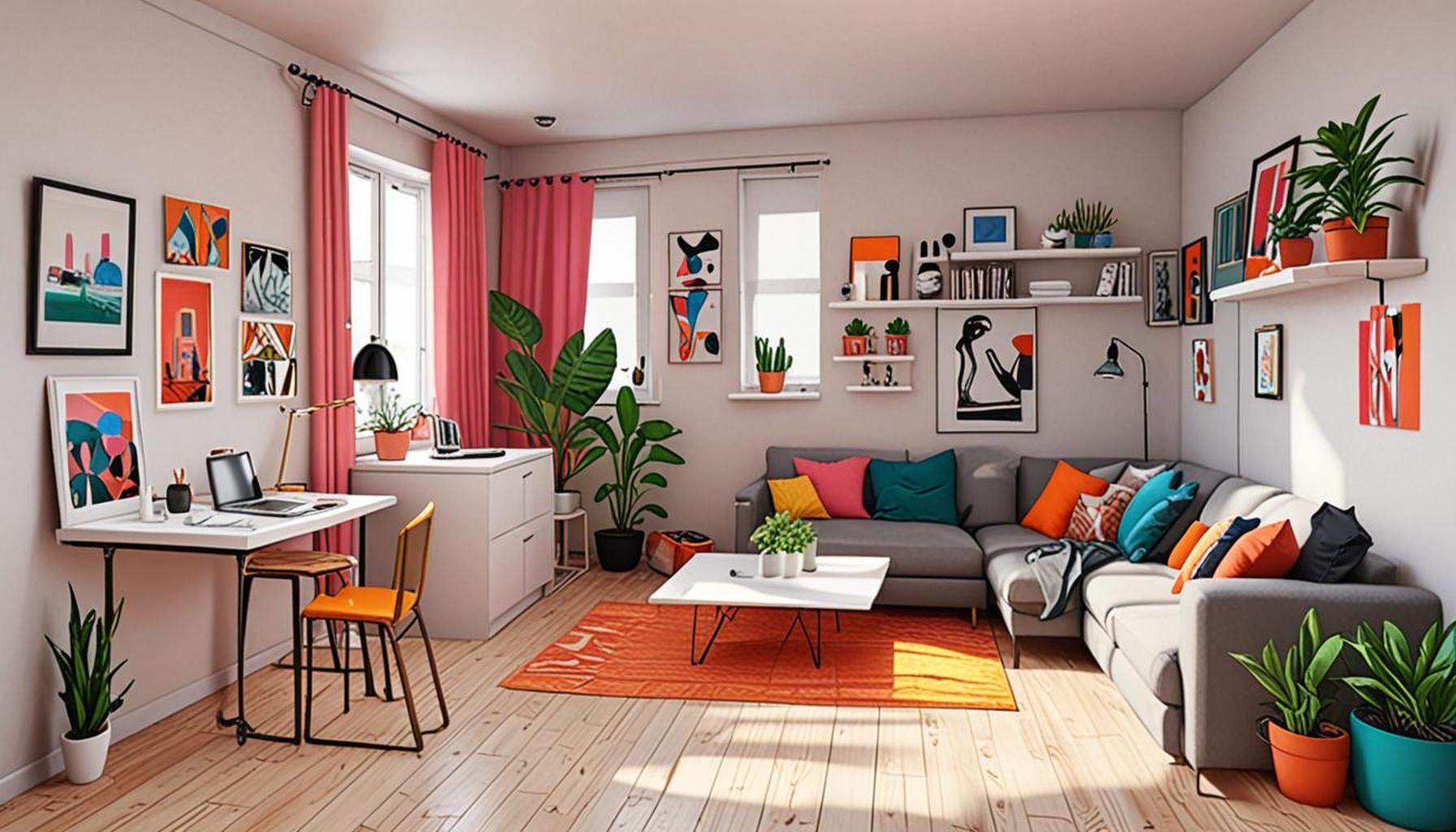
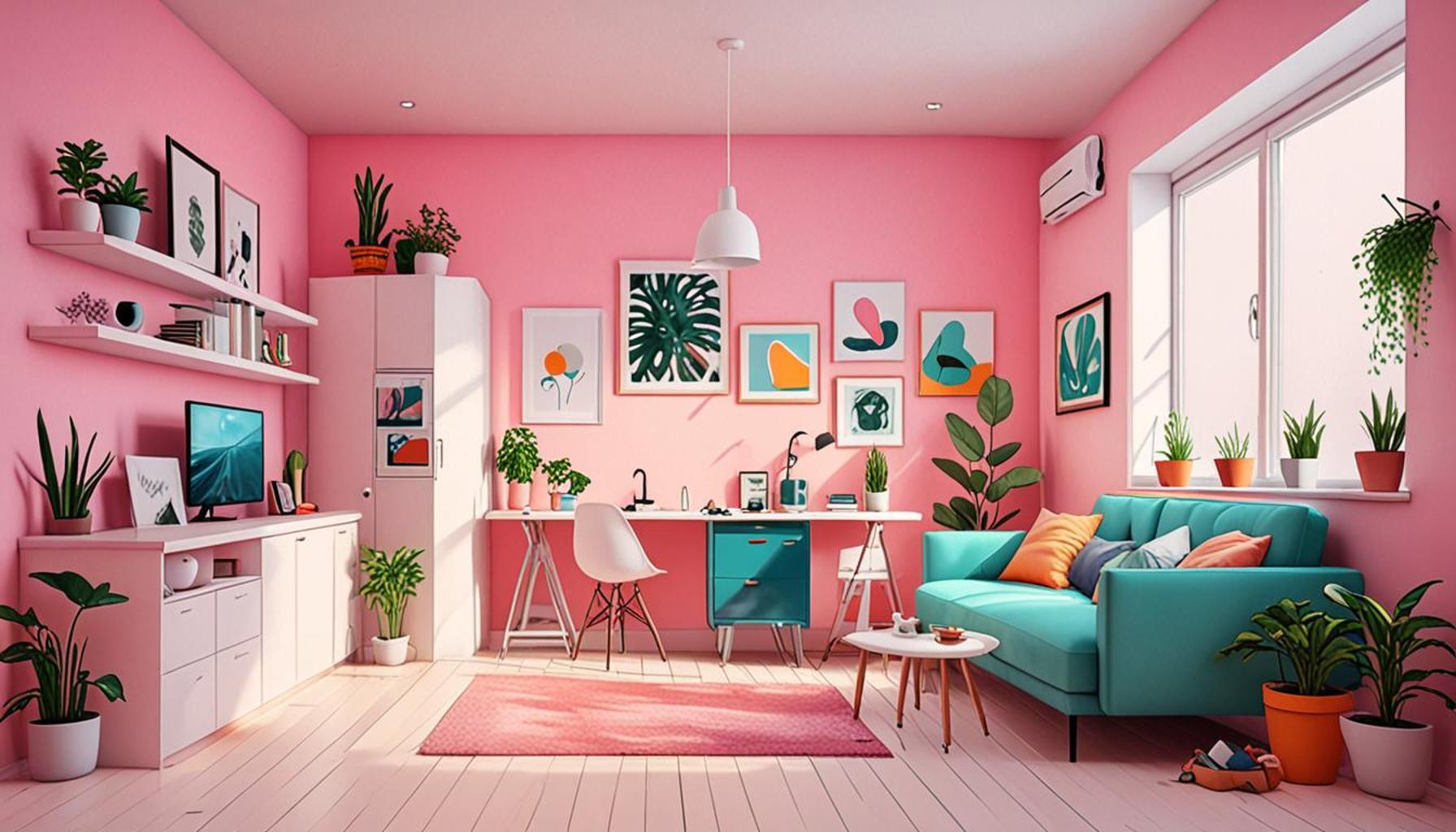
Applying minimalism in small spaces permits unique solutions that cater to individual needs. Imagine transforming a cramped studio apartment into a stylish and inviting retreat with streamlined furniture and thoughtful decor. For example, using a neutral color palette can enhance light and create an illusion of space, making the area feel larger and more open.
Practical Steps to Get Started
Ready to embrace minimalism? Here are some practical steps to help you get started on this rewarding journey:
- Declutter: Begin by removing items that are no longer useful. Consider implementing a “one in, one out” policy where for every new item you bring in, you remove another. This can help cultivate a more intentional approach to what you keep in your space.
- Choose Multi-Functional Furniture: Seek out pieces that serve more than one purpose. For instance, a sofa bed can provide seating during the day and transform into a cozy sleeping area at night, making it perfect for guests.
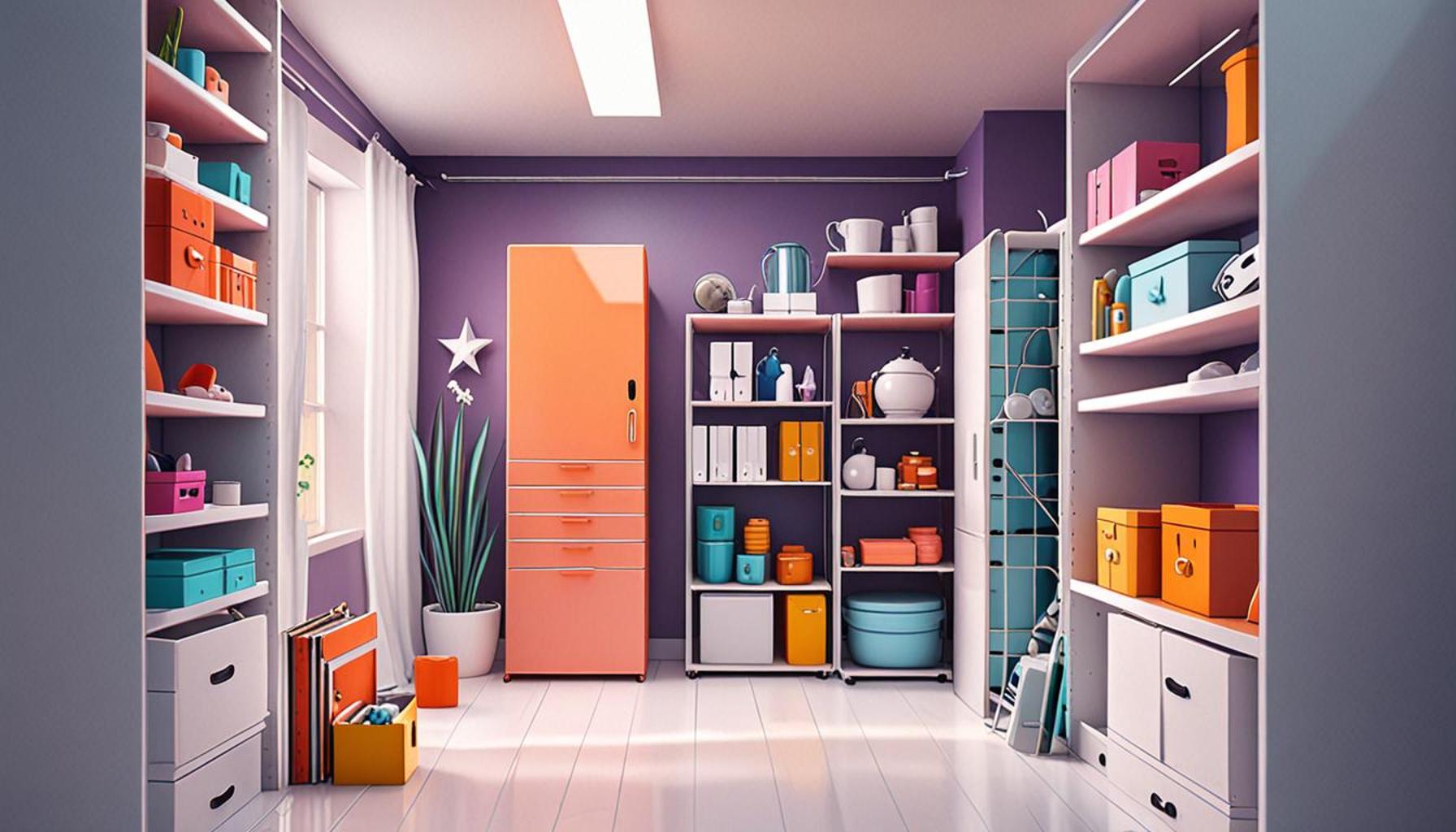
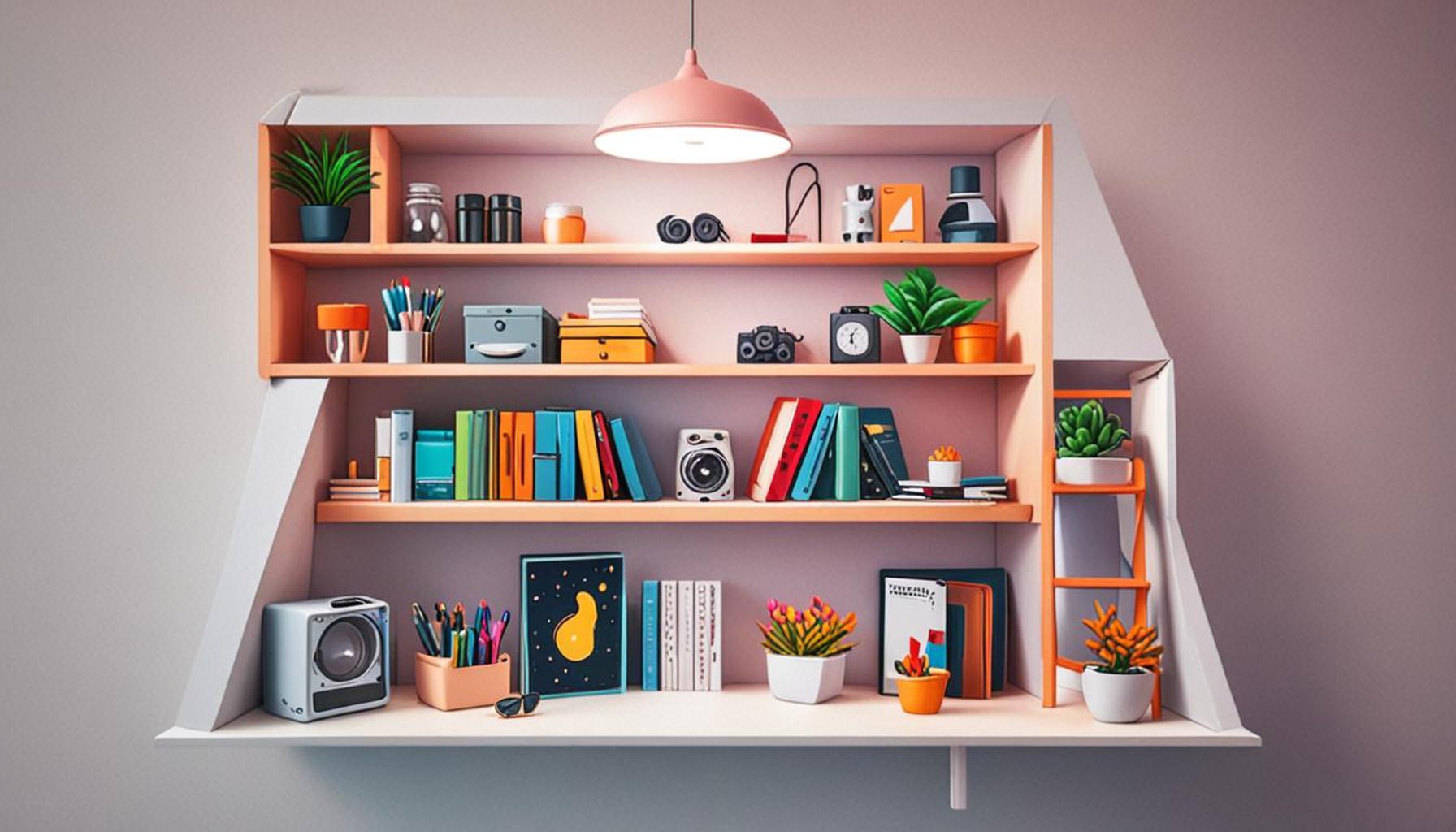
- Optimize Storage: Utilize vertical space to free up floor area. Wall-mounted shelves or cabinets can hold books, plants, or decorative items, keeping the floor free for movement and making the room feel more open.
The shift towards minimalism enhances functionality and promotes a sense of freedom and clarity in your living space. By embracing these principles, you can transform your home into a peaceful oasis in urban environments, where every square foot is used effectively. Stay tuned to explore how to implement these principles in greater depth and discover innovative ways minimalism can revolutionize your life.
DIVE DEEPER: Click here for expert tips on maximizing small spaces
Maximizing Space Through Minimalism
Minimalism serves as an effective approach to not just decluttering, but rethinking how we use the space we have—especially when that space is limited. In metropolitan areas like New York City or San Francisco, where housing is often at a premium, embracing minimalism can turn even the smallest studio into a functional home. By prioritizing simple, essential elements, individuals can enhance their living environment, resulting in both practical benefits and a more harmonious life.
The Art of Strategic Design
When considering a minimalist lifestyle, strategic design plays a crucial role. The essence of minimalism lies in simplicity and functionality. Each piece of furniture should fulfill more than one purpose. Let’s explore how thoughtful design adjustments can make a world of difference:
- Incorporating Built-In Storage: Utilizing built-ins such as benches with hidden storage or under-bed drawers can streamline your living space. This approach not only clears clutter but also adds aesthetic value to the room.
- Open Layouts: Fostering a sense of flow by breaking down barriers between rooms can create an airy environment. For instance, opting for glass partitions instead of solid walls allows natural light to permeate, making spaces feel larger.
- Neutral Color Schemes: A cohesive color palette can visually expand your living area. Soft tones in shades of white, beige, or pastel hues can make walls recede, enhancing the perception of space and calm.
The implementation of these design strategies, combined with a minimalist philosophy, can effectively redefine how rooms are perceived. For example, a tiny 400-square-foot apartment can feel like a functional home with the right furniture choices and design elements in place.
Creating Zones Within Limited Spaces
Another key aspect of transforming small spaces involves creating distinct zones within an open area. Doing so helps maximize functionality without requiring additional square footage. In a studio apartment, for instance, you can delineate a sleeping area from living space using furniture placement or area rugs, providing a sense of separation that enhances both privacy and usability.
With minimalism leading the way, innovative adaptations can allow homeowners and renters alike to utilize their spaces fully. The beauty of this movement lies in its adaptability; it invites individuals to find their unique balance between aesthetics and functionality. As the minimalist philosophy gains momentum in American homes, more people are becoming aware of how these strategies can lead to more spacious, inviting environments.
As we continue to explore how to make small spaces more functional through minimalism, we will delve into innovative storage solutions, the best practices for choosing decor that aligns with a minimalist aesthetic, and additional tips for making the most of your limited space.
Unlocking Potential with Minimalism
Adopting a minimalist approach can significantly enhance the functionality of small spaces. By removing unnecessary clutter and keeping only essential items, homeowners can create an environment that feels open and inviting. This tailored living style emphasizes the significance of intentionality in design, allowing individuals to focus on what truly matters.
Strategic Layouts: One of the key principles of minimalism is the effective use of space. By incorporating built-in furniture and multi-functional pieces, small areas can transform into versatile environments. For instance, a sofa bed offers accommodation for guests without sacrificing daily living space. Moreover, floating shelves provide storage while preserving valuable floor area, allowing for greater movement and flow within the room.
Natural Light Exposure: Minimalism also promotes the introduction of natural light into small spaces. Large windows, mirrors, and light colors can make a room feel larger than it is. This illumination not only enhances the perception of space but also creates a more pleasant environment, boosting mood and productivity. With a strategic design focused on maximizing natural light, even the tiniest areas can feel airy and spacious.
Additionally, the use of light and neutral colors in decor fosters a sense of calm and relaxation, essential characteristics for a functional environment. By choosing color palettes that reflect simplicity, individuals can ensure that their space remains cohesive and aesthetically pleasing.
| Category | Advantages |
|---|---|
| Space Efficiency | Maximizes usable area and reduces clutter. |
| Functional Design | Encourages versatility through multi-purpose furniture. |
| Mental Clarity | A minimalist environment reduces distractions and enhances focus. |
| Aesthetic Appeal | Promotes a calming, orderly space that is visually pleasing. |
Through thoughtful planning and design, minimalism has the power to not only transform spaces but also elevate the overall quality of life. By prioritizing simplicity and intentionality, individuals can create environments that inspire functionality and creativity, redefining the concept of “home.”
DIVE DEEPER: Click here for tips on decluttering your space
Innovative Storage Solutions
One of the greatest challenges of living in a small space is finding appropriate storage that does not contribute to clutter. Minimalism encourages innovative storage solutions that can enhance functionality while maintaining a clean aesthetic. Clever use of vertical space can significantly increase storage capacity without sacrificing floor area. For example, shelves can be mounted high on walls to store books or display decor, effectively utilizing the often-overlooked vertical dimension.
Additionally, multi-functional furniture pieces are a staple in minimalist design. Consider a coffee table that opens up for storage or an ottoman that doubles as seating and a hiding spot for magazines and blankets. Such designs not only save space but also give small areas a more organized and deliberate feel. These pieces act as functional elements while supporting the minimalist ethos by reducing the number of items in the room.
Furthermore, the use of concealed storage can aid in keeping small environments tidy. Consider investing in furniture with built-in locks or compartments to keep personal items, documents, and other smaller belongings stashed away. Small apartments can easily fall into the trap of appearing cluttered, but with the appropriate storage solutions, this can be avoided entirely.
Choosing Minimalist Decor
When it comes to decor in small spaces, embracing minimalism means selecting pieces that are not only aesthetically pleasing but also purposeful. Every item should serve a function, whether it be practical or sentimental. Opting for artwork that resonates with the individual can enhance emotional well-being without overwhelming the space. Ideally, fewer larger pieces create a bold statement while allowing the eye to take in the surrounding area, as opposed to many small items competing for attention.
Natural light plays an invaluable role in maintaining an open and airy ambiance within small spaces. Window treatments should be thoughtfully considered; lightweight sheer curtains or nothing at all invites ample sunlight to circulate, promoting a vibrant atmosphere. When paired with light-colored walls and minimalist furnishings, small environments can feel more expansive and invigorating.
Another fundamental principle of minimalism is to keep surface areas clear. Countertops, desks, and dining tables should only display essentials, with decorative items kept to a minimum. This creates a clean look, making spaces appear less cramped while simultaneously allowing for ease of movement and function.
Emphasizing Functional Layouts
The layout of a small room can dictate how effectively the space is used. In a minimalist context, the design of a room should prioritize accessibility and movement. Incorporating flexible furniture arrangements can contribute to a sense of freedom in small living quarters. For example, using lightweight furniture can allow homeowners to reconfigure their living area as needed, accommodating gatherings or more intimate moments.
Essentially, a minimalist approach to small spaces transforms them into functional environments. When individuals adopt these practices, they find that not only does their home feel larger and more manageable, but their lifestyles become more simplified and fulfilling. By thoughtfully considering storage, decor, and layout, the true potential of every square foot can be unlocked, making room for not only items but experiences as well.
DISCOVER MORE: Click here to simplify your life
Conclusion
In conclusion, minimalism presents a powerful solution for those navigating the challenges of small spaces. By emphasizing functional design, innovative storage, and purposeful decor, individuals can effectively transform their environments into not only aesthetically pleasing havens but also practical living areas. This approach encourages homeowners to scrutinize each item in their space, retaining only those that truly enhance their lives.
A minimalistic mindset advocates for efficiency and clarity, inviting natural light to pour in and ensuring that every piece of furniture serves a dual purpose. As a result, small spaces feel more expansive and tailored to one’s lifestyle, fostering a sense of calmness amidst the hustle and bustle of modern living.
Moreover, this transformation is not purely about aesthetics; it cultivates a more fulfilling way of life. Embracing minimalism empowers individuals to prioritize experiences over possessions, leading to a richer and more intentional existence. Therefore, whether you’re residing in a tiny studio apartment or a cozy cottage, integrating minimalistic principles can unlock the true potential of your living space, creating an environment that not only supports but enhances everyday life.
As you embark on your journey toward minimalism, consider the impact of each choice you make for your surroundings. Discover the joy of simplified living, and explore how minimalism can redefine your relationship with space and functionality.