
How Minimalism Can Transform Your Workspace: Tips to Increase Productivity and Creativity

Unlocking the Power of Minimalism
In today’s fast-paced world, the importance of a well-designed workspace cannot be overstated. A cluttered environment often leads to diminished focus and creativity. By embracing minimalism, you can transform your workspace into a sanctuary for productivity and inspiration. Minimalism is about creating an environment that is intentionally simple, emphasizing functionality while eliminating unnecessary distractions.
What is Minimalism?
Minimalism is more than just a design trend; it’s a lifestyle choice. In the context of your workspace, it involves:
- Reducing physical clutter: This means clearing away items that are not essential to your workflow, such as outdated supplies or ornamental decorations. For example, consider replacing multiple pens and notebooks with a single digital tool.
- Focusing on essential tools and tasks: Identify which tools are critical for your work. If you only use a few software applications regularly, keep those easily accessible while eliminating others that don’t serve you.
- Creating a calming atmosphere: This could include incorporating natural light, plants, or a neutral color palette to enhance your peace of mind while working.
Benefits of a Minimalist Workspace
Adopting minimalism in your workspace can lead to significant benefits, including:
- Increased Focus: Fewer distractions help improve concentration. Studies have shown that individuals working in uncluttered environments are more productive. For instance, researchers found that employees in tidy offices completed tasks 17% faster than those in cluttered spaces.
- Enhanced Creativity: A clean slate can spark fresh ideas. Many creative professionals swear by minimalism for their brainstorming sessions, as it allows for clearer thinking and innovation.
- Less Stress: An organized space promotes a peaceful mindset. Clutter is often linked to anxiety, and by simplifying your surroundings, you can cultivate a calmer and more enjoyable work atmosphere.
This article will guide you through practical tips and strategies on how to apply minimalism effectively. Discover how simplifying your environment can lead to unlocking your full potential, making way for greater achievements. Additionally, you may explore popular practices, such as the “30-day minimalism challenge,” which encourages participants to declutter their lives step by step, ultimately fostering a mindset that welcomes simplicity.
Minimalism is not merely about what you discard; it is also about the intentionality of the items you choose to keep. As you embark on this journey, you may find that your ability to focus, create, and engage with your work improves tremendously. The evolving demands of the professional landscape necessitate adaptability, and a minimalist workspace might just be the key to thrive in today’s dynamic environment.
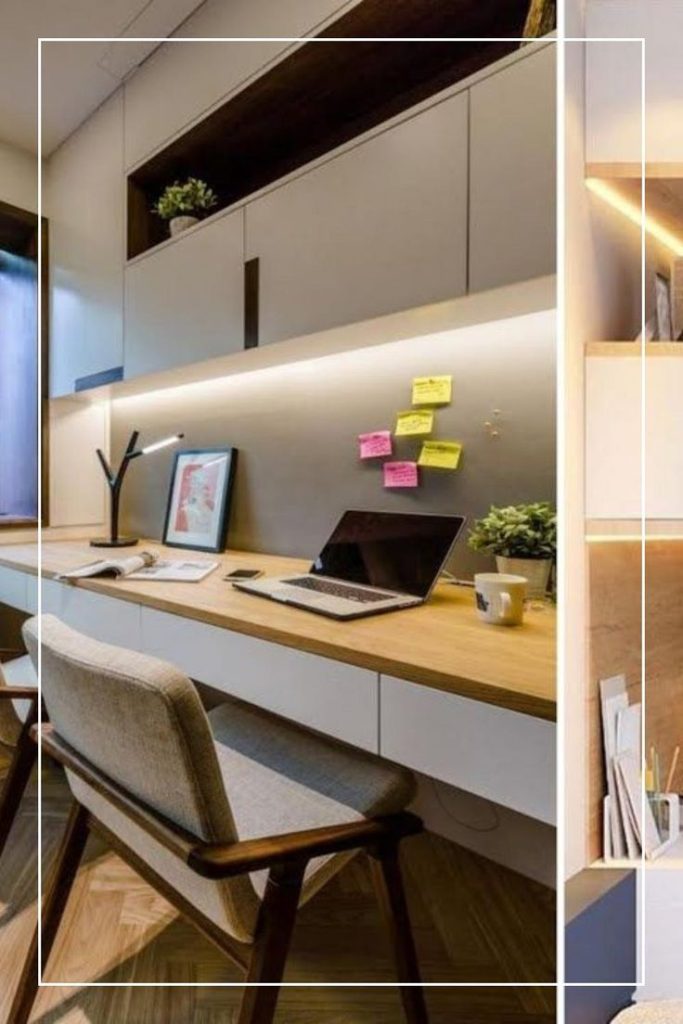
DISCOVER MORE: Click here for savvy tips on maximizing small spaces
Implementing Minimalism in Your Workspace
To truly experience the transformative effects of minimalism, it is essential to adopt specific strategies that can seamlessly integrate this approach into your workspace. Whether you work from a corporate office, a home office, or even a co-working space, embracing minimalism can enhance your work experience significantly. Here are some actionable tips to help you create a minimalist workspace that promotes increased productivity and enhanced creativity.
1. Declutter Your Desk
The first step toward achieving a minimalist workspace is to declutter your desk. Remove all non-essential items that do not contribute to your daily tasks. This includes excess stationery, outdated documents, and personal trinkets. A recent study from the Princeton University Neuroscience Institute suggests that physical clutter can impede your brain’s ability to focus and prioritize tasks. Therefore, consider the following strategies:
- Adopt a one-in, one-out rule: For every new item you bring into your workspace, remove an existing one. This will help maintain a balance and prevent clutter from building up again.
- Utilize storage solutions: Invest in minimalist storage options like drawer organizers or wall-mounted shelves to keep only necessary items within reach while creating an open space.
- Digitize documents: Transitioning to a paperless environment can greatly reduce clutter. Services like Google Drive or Dropbox can help store important files while decluttering your physical desktop.
2. Designate Specific Zones
Another effective minimalism strategy is to designate specific zones within your workspace. This involves allocating areas for different tasks, which can help streamline your workflow and minimize distractions. Here’s how to create effective work zones:
- Work Zone: This area should be dedicated solely to your primary work tasks. Ensure that everything you need is within arm’s reach, and remove anything unrelated to your current projects.
- Creativity Zone: Set aside a space for brainstorming and creative thinking. Decorate this area with inspiring visuals or ideas but keep it clutter-free to aid in the flow of creativity.
- Relaxation Zone: Introduce a corner with comfortable seating for breaks or relaxation moments. This helps segregate work and leisure, contributing to a healthy work-life balance.
3. Streamline Your Technology
In an increasingly digital world, having a streamlined technology setup can significantly enhance your minimalist workspace. Consider the following:
- Consolidate devices: Reduce the number of devices you use. Ideally, opt for versatile gadgets that serve multiple functions, such as a tablet that can double as a laptop.
- Limit applications: Keep digital clutter at bay by uninstalling seldom-used applications. Only maintain those that directly support productivity and creativity.
- Organize your digital files: Create a logical folder structure on your computer to ensure easy access to essential documents, making it less likely that digital distractions lead to wasted time.
By implementing these minimalism strategies, you can slowly transform your workspace into a sanctuary focused on clarity and productivity. Whether you’re working solo or collaborating with a team, a minimalist workspace lays a strong foundation for success, setting the stage for greater achievements and innovative collaborations.
Embrace the Power of Decluttering
One of the first steps to harnessing the benefits of minimalism in your workspace is decluttering. A clutter-free environment reduces distractions, allowing your brain to focus on the task at hand. Studies have shown that individuals working in tidy spaces report higher levels of concentration and efficiency. Consider implementing a regular cleaning routine to keep your workspace organized, as this not only enhances visual appeal but also fosters a sense of calm.
Curate Your Workspace Essentials
Minimalism encourages you to carefully curate your workspace essentials. Rather than overcrowding your desk with every possible tool, select only those items that are vital for your daily tasks. This approach not only streamlines your work process but also markedly influences your creativity. When you have fewer distractions, your mind is free to explore new ideas. Think about utilizing multifunctional tools—such as a pen holder that doubles as a phone stand—this saves space while promoting efficiency.
Utilize Natural Light and Color Psychology
Integrate natural light into your workspace to enhance productivity subconsciously. Studies suggest that exposure to natural light boosts mood, reduces eye strain, and improves overall health. Pairing this with color psychology can further amplify your environment: soft blues and greens tend to promote a calm atmosphere, while vibrant yellows can stimulate creativity. Consider painting your workspace with tones that resonate with your goals.
Establish a Productive Routine
Minimalism is not just about the physical space; it extends to how you manage your time and tasks. By establishing a structured routine, you can minimize decision fatigue and boost productivity. Set specific time blocks for focused work, interspersed with short breaks to recharge. Using tools like calendars and to-do lists can also aid in maintaining this minimalist approach, ensuring that you prioritize effectively without overwhelming yourself.
| Category 1 | Category 2 |
|---|---|
| Less Clutter | Fewer distractions lead to enhanced focus. |
| Selected Essentials | Curating tools boosts workflow efficiency. |
Ultimately, adopting a minimalist mindset can be your gateway to a more productive and creative workspace. By implementing these tips, you not only declutter your physical space but also create a sanctuary that supports your professional journey.
DIVE DEEPER: Click here to simplify your space
The Psychological Benefits of a Minimalist Workspace
Adopting a minimalist approach to your workspace not only enhances physical organization but also yields significant psychological benefits that can directly impact your productivity and creativity. Understanding these psychological advantages can further motivate you to embrace minimalism in your environment. Here are several key aspects to consider:
1. Reduced Stress Levels
Cluttered environments have been shown to elevate stress levels, making it difficult for individuals to concentrate. Psychological studies indicate that attaining a more organized workspace leads to a calmer state of mind, which allows for improved focus on tasks at hand. Here’s how minimalism can help reduce stress:
- Simplified decision-making: A minimalist environment minimizes distractions, making routine decisions faster and more straightforward—whether that’s selecting which tools to use or prioritizing tasks.
- Increased sense of control: A decluttered workspace can provide individuals with a greater sense of control over their environment, leading to enhanced self-efficacy and confidence in task completion.
2. Enhanced Focus and Concentration
Minimalism invites a clear focus on one task at a time. Research from the American Psychological Association suggests that multitasking can reduce productivity by as much as 40%. A minimalist workspace can address this challenge:
- Fewer distractions: By containing only the essentials, you create an environment conducive to laser-sharp focus, where distractions are minimized. This allows your brain to allocate more resources to the task you’re working on.
- Mindful engagement: Engaging in a singular task without visual interruptions encourages deeper thinking and analytical processing, fostering innovative ideas and creative solutions.
3. Increased Motivation Through Aesthetic Appeal
Even the layout and design of a workspace can have motivational effects on productivity. Minimalism emphasizes simplicity and clean lines, thereby appealing to aesthetics that enhance our mood:
- Personalized yet uncluttered: Allow for a few personal touches that inspire you, such as art or plants, while maintaining a sense of openness. Research shows that well-designed workspaces can boost happiness and job satisfaction.
- Colors that inspire: Using a minimalist color palette can create a calming atmosphere. Soft neutrals or gentle pops of color can improve mood and motivation, leading to better work performance.
4. Boosting Creativity Through Limitations
Paradoxically, limiting your physical resources can lead to enhanced creativity. When fewer tools and options are available, your brain is encouraged to think outside the box:
- Constraints can fuel innovation: Minimalism forces you to work with what you have, enhancing resourcefulness and spurring creative problem-solving. This can translate into more innovative ideas and concepts.
- Fostering an environment for brainstorming: A minimalist workspace, particularly in designated creativity zones, nurtures brainstorming sessions, allowing ideas to flow more freely without the interruptions of clutter.
The psychological benefits of minimalism in the workspace are multi-faceted and highly impactful. Combining the physical restructuring of your work environment with these intrinsic psychological shifts can lead to a sustainable transformation that not only enhances productivity but also elevates creative engagement in your professional life.
DISCOVER MORE: Click here to unlock the secrets of intentional living
Conclusion: Embrace Minimalism for a Transformed Workspace
In a world where distractions abound and clutter can overwhelm, minimalism emerges as a powerful solution for transforming your workspace into a hub of productivity and creativity. By simplifying your environment, you can significantly reduce stress levels, allowing your mind to focus on what truly matters—your work. The psychological benefits of minimalism, such as increased concentration and motivation, further enhance your ability to produce innovative solutions and engage in meaningful creative endeavors.
As we have explored, a minimalist workspace encourages a profound sense of control and clarity, freeing you from the weights of distractions. Arranging your workspace in a way that highlights essential tools and personal touches promotes not only efficiency but also boosts your mood and job satisfaction. The balance between functionality and aesthetic appeal sets the stage for a workspace that inspires and fuels your drive.
Ultimately, embracing minimalism is about more than just physical decluttering; it invites a shift in mindset that champions creative thinking and intentional focus. As you take steps toward more minimalism—from reducing unnecessary items to creating designated areas for creativity—consider the profound changes it can bring to your daily work life. By adopting these principles, you are not only nurturing a better workspace but also paving the way for your professional growth and personal fulfillment.
Now, as you stand at the crossroads of transformation, ask yourself: how can minimalism guide you toward your best work yet?