Minimalism in the Kitchen: Strategies for Creating Functional and Organized Spaces
Discovering Minimalism in the Kitchen
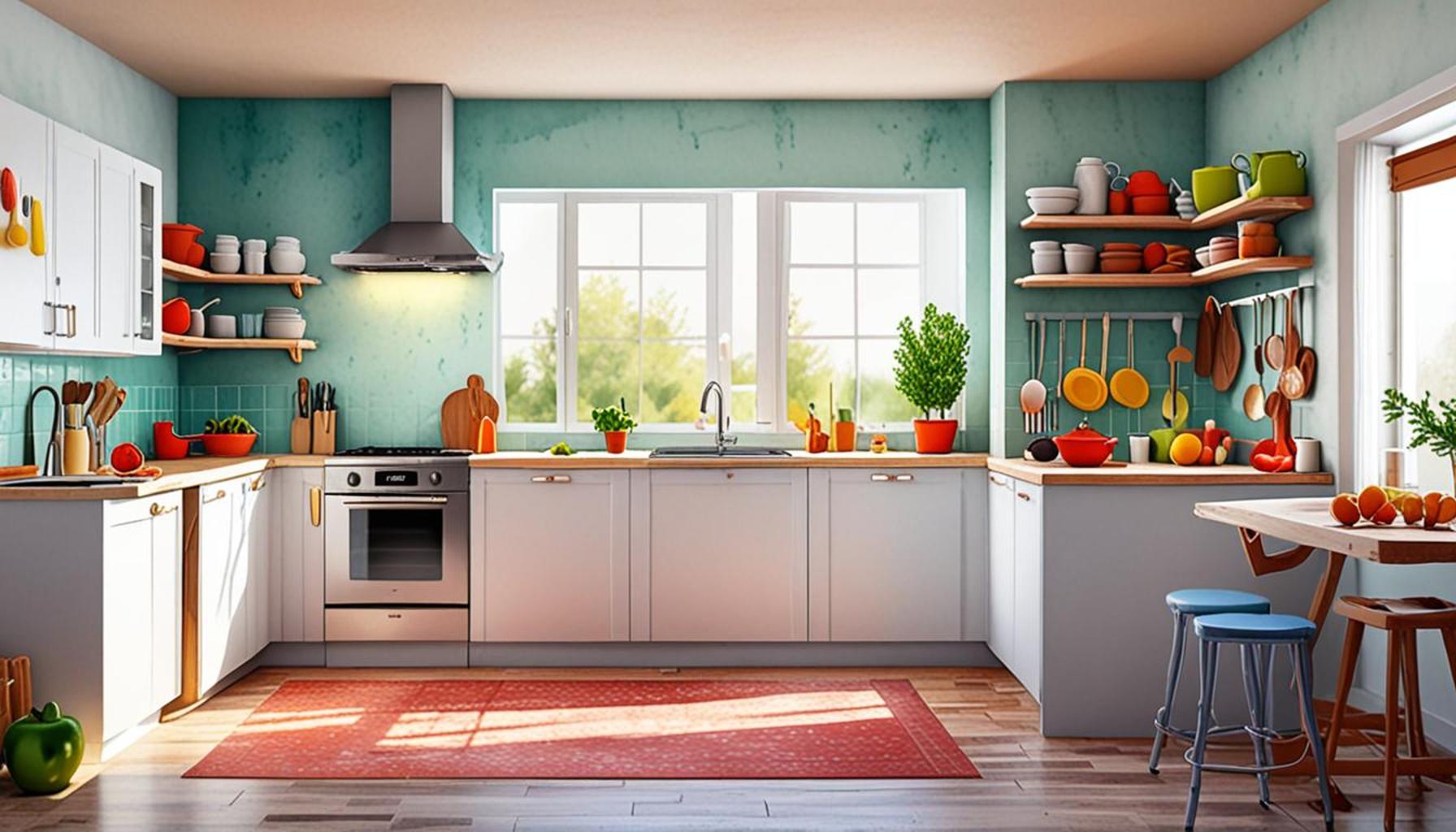
In today’s fast-paced world, a clutter-free kitchen can transform how we cook, eat, and connect. Embracing minimalism in the kitchen offers not only aesthetic appeal but also enhances functionality and efficiency, which can lead to a more fulfilling culinary experience. The modern kitchen has become more than just a place to prepare meals; it serves as a gathering spot for families and friends, making it essential to cultivate an environment that promotes creativity and mindfulness.
Why consider a minimalist approach? Here are key benefits:
- Efficiency: A streamlined kitchen enables quicker meal prep and cleanup, creating a more enjoyable cooking process. For instance, having fewer utensils and gadgets means less time spent searching for items or cleaning up after use.
- Less Stress: An organized space fosters a calming atmosphere, allowing you to focus on the task at hand rather than feeling overwhelmed by a cluttered environment. Imagine stepping into a kitchen where every item has its place, which can significantly alleviate daily stresses.
- Increased Focus: Reducing distractions helps you stay engaged while cooking. In a minimalist kitchen, you can concentrate on the flavors and techniques without the chaos of unnecessary items vying for your attention.
As consumers increasingly seek functional spaces, implementing minimalism in the kitchen can align with this trend. Let’s explore some practical strategies that can help simplify your cooking area:
- Decluttering: Regularly assess items in your kitchen, and eliminate those that serve no purpose. For example, if you have three mixing bowls but only ever use one, consider donating or recycling the others. This practice not only creates space but also makes it easier to find your essentials.
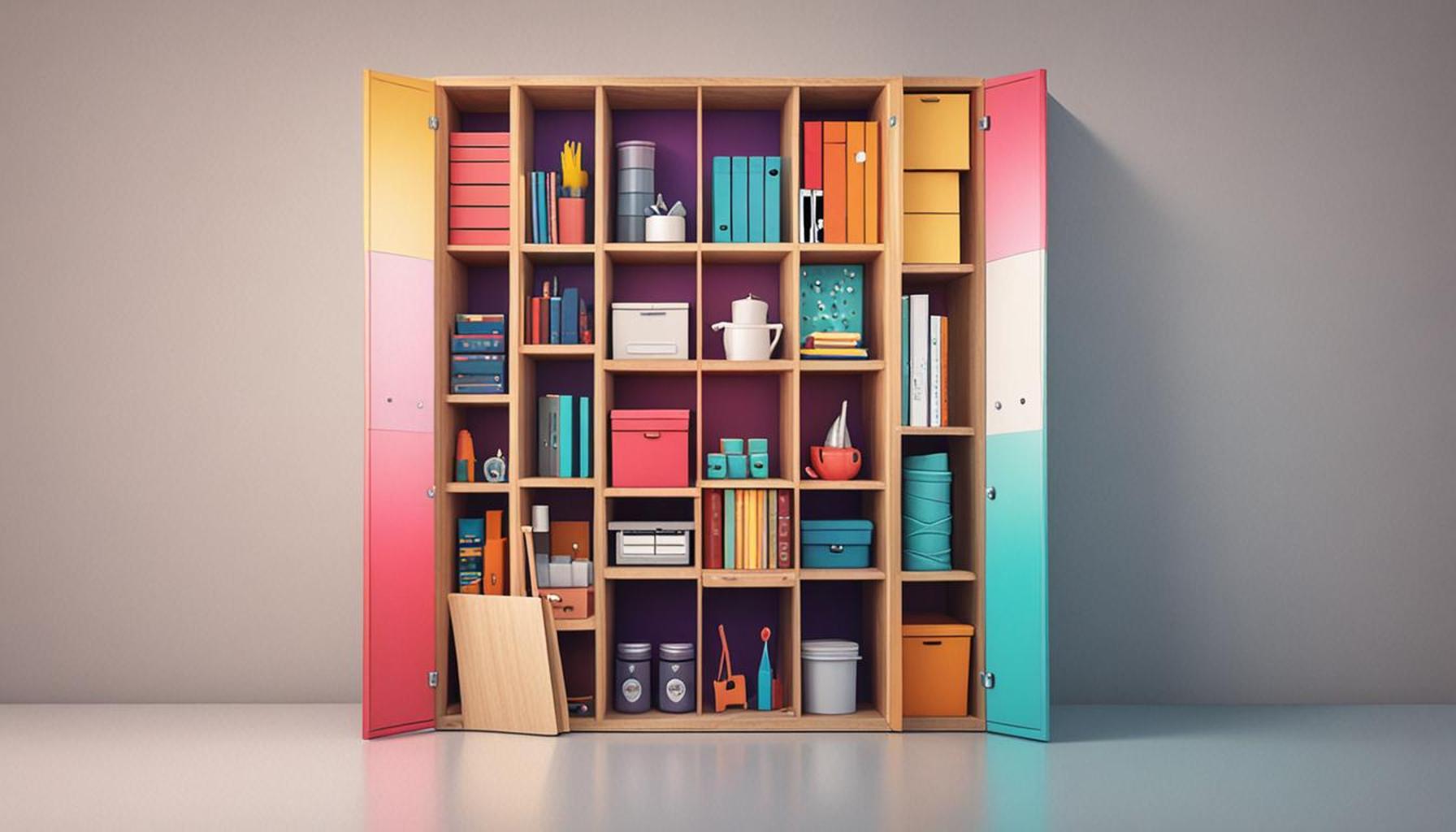
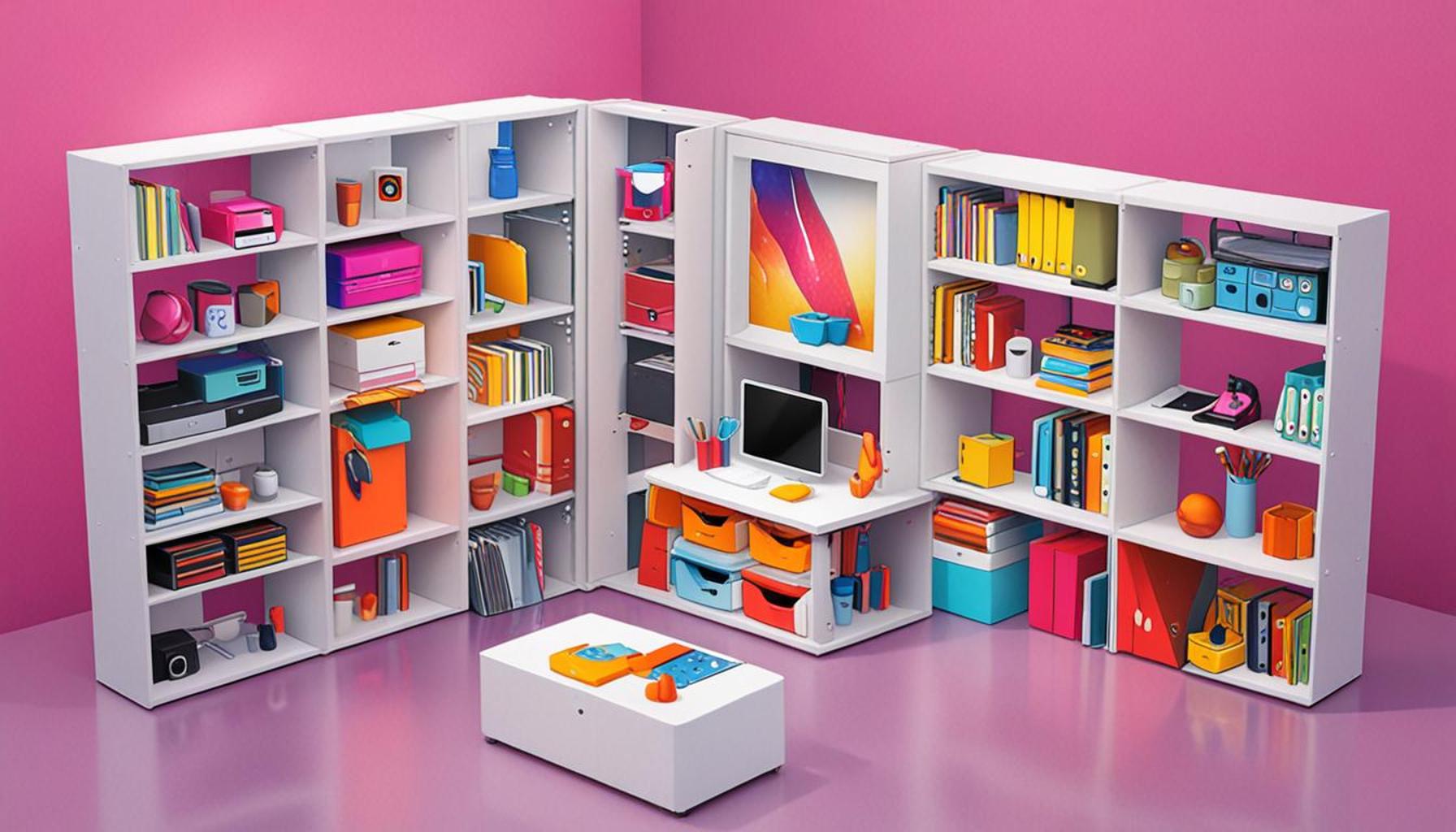
- Smart Storage: Utilize vertical spaces, under-cabinet racks, and pull-out drawers to maximize your kitchen’s potential. A well-organized pantry featuring clear containers can help you locate ingredients quickly while maintaining an orderly appearance.
- Multi-functional Tools: Invest in kitchen gadgets that serve multiple purposes—such as a food processor that can chop, slice, and puree. This reduces the need to have several specialized tools that can clutter your drawers.
By redefining how we view our kitchen spaces, minimalism promotes not only organization but also a more enjoyable cooking experience. A well-curated kitchen can inspire culinary creativity while embracing a lifestyle that values simplicity and purpose. Transitioning to a minimalist kitchen can lead you on a journey toward discovering new recipes, enhancing family connections during mealtime, and creating a tranquil space that welcomes creativity. In the following sections, we will delve into effective methods to curate your kitchen into an oasis of functionality and tranquility while embodying the principles of minimalism.
DISCOVER MORE: Click here to simplify your life
Embracing the Minimalist Ethos
Adopting a minimalist approach in the kitchen is about more than just reducing clutter; it’s a holistic philosophy that enhances our cooking experience. This ethos encourages us to cherish quality over quantity—emphasizing the importance of choosing versatile, functional items that contribute positively to our culinary environment. By examining our kitchen layouts and routines through this lens, we can reveal opportunities for improvement and efficiency.
A well-designed minimalist kitchen centers around the idea that every element should have a clear purpose. This leads to a space that not only looks appealing but functions seamlessly. Here are several strategies to help you achieve that:
- Creating Zones: Divide your kitchen into specific zones tailored to various tasks, such as food prep, cooking, and cleaning. When items are organized by function, you eliminate the need to hunt for tools or ingredients, resulting in a smoother cooking process. For instance, keep cutting boards, knives, and bowls close together in the food prep area to streamline meal preparation.
- Assessing Your Needs: Every kitchen is unique, and minimizing your inventory begins with understanding what you genuinely use and need. Conduct a thorough evaluation of your cookware and appliances. Are you still using that bread maker that hasn’t seen the light of day in years? Consider donating it or storing it elsewhere if it seldom contributes to your culinary journey.
- Selecting Essential Cookware: Invest in high-quality, multi-use cookware that serves several purposes, like a cast-iron skillet that can be used for sautéing, baking, or even serving. A carefully curated collection of essentials ensures that your kitchen remains functional without becoming overcrowded with rarely used items.
Understanding the difference between necessity and excess is vital in cultivating a minimalist kitchen. By prioritizing quality essentials and thoughtfully organizing your space, you greatly enhance both its functionality and aesthetics. Less truly is more, allowing for effortless cooking and an invigorating atmosphere. This approach not only saves time and energy but also nurtures creativity—encouraging you to explore new culinary techniques and flavors.
As you embark on this journey toward minimalism in the kitchen, consider the simplicity and beauty of each element you choose to keep. The outcome is not only a more organized workspace but an inspiring backdrop for family meals, casual gatherings, or solo cooking sessions. The modern minimalist kitchen is about shaping an environment that enhances your cooking experience while honoring the notion that functional beauty lies in simplicity.
| Category | Key Features |
|---|---|
| Streamlined Storage | Maximizes space through shelving, drawers, and multi-functional furniture. |
| Simplified Cooking Environment | Less clutter leads to quick access to tools, promoting efficient meal preparation. |
| Mindful Ingredient Management | Reduces food waste by organizing pantry items and prioritizing freshness. |
| Enhanced Functionality | Every item serves a purpose, ensuring a functional kitchen that meets daily needs. |
Embracing the principles of minimalism in the kitchen fosters an environment that enhances both functionality and aesthetics. By integrating streamlined storage solutions, kitchens can become more organized and efficient. Utilizing shelving, drawers, and multi-functional furniture allows for a maximization of space while maintaining an easy-to-navigate cooking environment. Moreover, a simplified cooking area minimizes distractions, enabling cooks to easily access the tools and ingredients they need, thereby improving meal preparation efficiency. Adding to this, mindful ingredient management encourages users to reduce food waste, as it promotes the organization of pantry items and emphasizes the importance of using fresh ingredients.Ultimately, the essence of a minimalist kitchen lies in its enhanced functionality. Each element, whether it’s a cooking utensil or a piece of furniture, serves a clear purpose. This thoughtful approach not only facilitates daily tasks but also cultivates a serene atmosphere conducive to culinary creativity. Explore further the strategies that can transform your kitchen into a haven of organization and efficiency.
DIVE DEEPER: Click here for expert organizing tips
Streamlining Your Kitchen Inventory
A minimalist kitchen thrives on the concept of intentionality and functionality. One of the core principles of this philosophy is to streamline your kitchen inventory. This process not only transforms your kitchen into a serene and efficient space but also encourages mindfulness in your daily cooking habits. To achieve this, consider these practical strategies:
- Implementing the One-Year Rule: A useful rule to adopt is the one-year rule: if you haven’t used an item in the last year, it’s time to reconsider its place in your kitchen. This includes cookware, utensils, and gadgets. By regularly assessing your needs, you can avoid keeping items out of habit rather than necessity. This approach encourages you to be honest about what tools truly benefit your cooking experience.
- Utilizing Vertical Space: Minimalism isn’t just about what you keep; it’s also about how you store those items. Utilizing vertical space can dramatically optimize your kitchen’s organization. Installing wall-mounted shelves or magnetic strips for knives can keep countertops clear and create an inviting atmosphere. This simple adjustment elevates your kitchen’s design while ensuring that your essential tools are always within reach.
- Choosing Multi-Functional Appliances: One of the key aspects of a minimalist kitchen is investing in appliances that serve multiple purposes. For example, consider a food processor that can chop, shred, and even knead dough rather than cluttering your kitchen with separate machines for each task. Multi-functional appliances not only reduce clutter but often save precious countertop space, making your kitchen feel more open and airy.
Another excellent way to enhance your kitchen’s efficiency is through smart storage solutions. Utilizing baskets, drawer dividers, and labeled containers can make a noticeable difference in keeping your space tidy. The visual appeal of neatly organized items also contributes to the overall minimalist aesthetic. For instance, opting for transparent storage containers allows you to easily see contents, which streamlines your cooking process and prevents duplicate purchases.
Incorporating Aesthetic Minimalism
A minimalist kitchen doesn’t compromise on style—it can be both functional and visually appealing. To integrate aesthetic considerations while remaining true to minimalist principles, focus on a cohesive color palette and uniformity in styles. Choosing a few select colors not only creates harmony but also contributes to the feeling of openness, which is essential in compact spaces common in many American homes.
Moreover, adopting a less-is-more approach extends beyond cookware; think about decorative elements as well. Incorporate a few meaningful decor pieces, such as a piece of art or a well-placed plant. These intentional selections can add character and warmth to your minimalist kitchen without overwhelming the space.
Lastly, be mindful of your workflow. The kitchen is an active space where cooking and socializing blend. By minimizing distractions and focusing on functionality, you empower yourself to create culinary delights in an organized environment that sparks joy. Consequently, a well-thought-out minimalist kitchen supports not only your cooking habits but also fosters connection during shared meals with family and friends.
DISCOVER MORE: Click here to enhance your productivity
Conclusion
Embracing minimalism in the kitchen transcends mere aesthetics; it fosters a lifestyle that prioritizes intentionality and efficiency in one of the most central spaces of the home. By streamlining your kitchen inventory, employing smart storage solutions, and choosing multi-functional appliances, you can create a space that is not only organized but also enhances your culinary experience. The principles of minimalism urge you to evaluate the items you own, ensuring that each piece serves a purpose and brings you joy.
Moreover, aesthetic minimalism adds another layer to this philosophy, allowing you to cultivate a calming and inviting atmosphere. A cohesive color palette and thoughtfully chosen decor can transform your kitchen into a sanctuary that inspires creativity and connection with loved ones. This transformation doesn’t just improve the functionality of the space; it also enriches everyday moments spent cooking and sharing meals.
Ultimately, a minimalist kitchen is about more than just decluttering; it is an opportunity to reflect on your lifestyle, your habits, and your relationship with food. By prioritizing functionality and organization, you open up a world of possibilities that can lead to a healthier, happier culinary journey. So as you embark on this minimalist path, consider each decision carefully and embrace the beauty of simplicity—where less truly becomes more.