Prioritization Tips: Organizing Cleaning Tasks According to Their Urgency and Importance
Understanding the Challenges of Home Cleaning
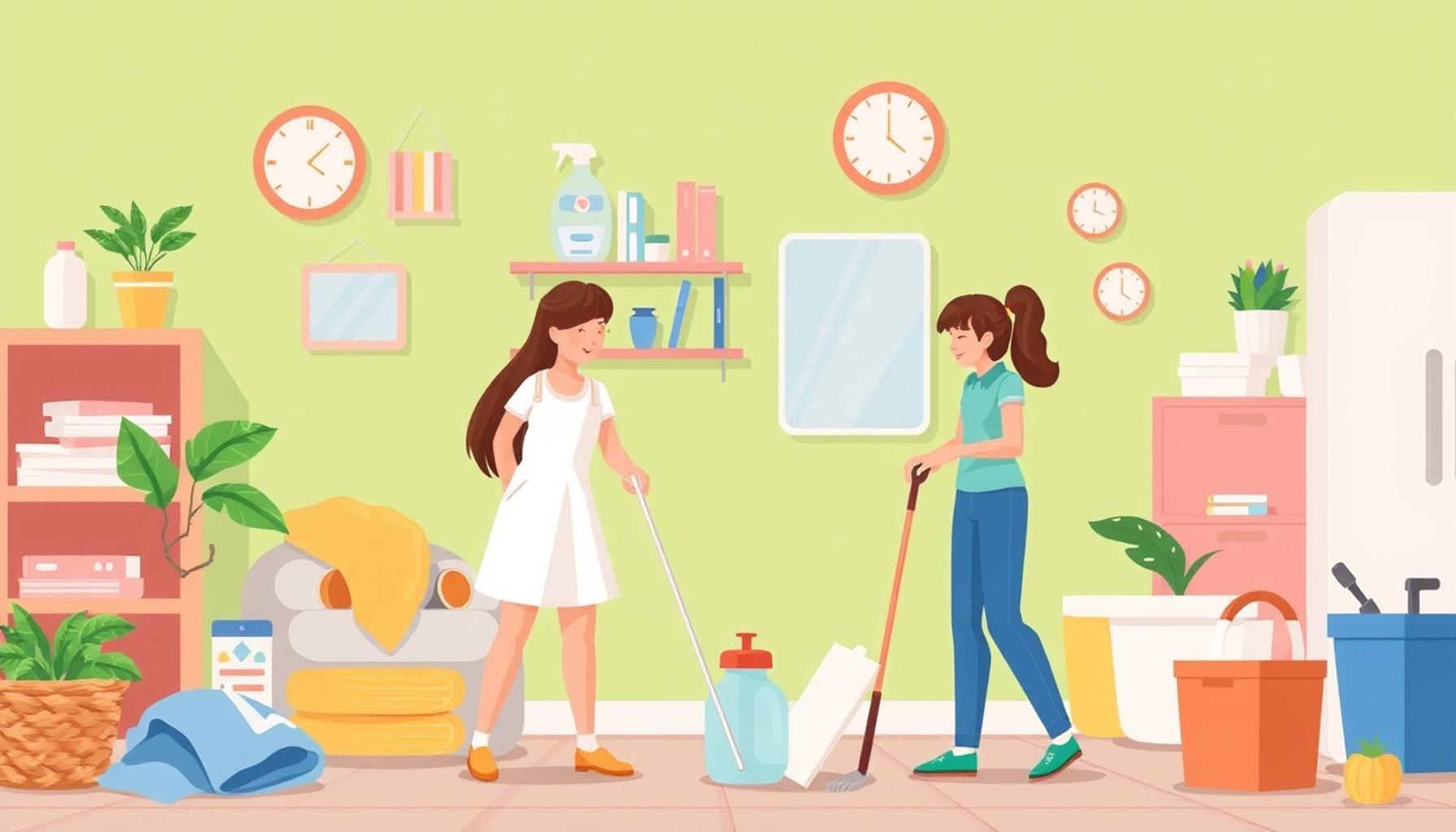
Feeling overwhelmed by the multitude of cleaning tasks around your home? You’re not alone. Many people struggle with determining what to tackle first, especially when faced with a long list of chores. The sight of clutter can be daunting, leading to increased stress and reluctance to start. However, organizing your cleaning tasks can lead to a more efficient and less stressful experience. By prioritizing according to urgency and importance, you can save time and energy—allowing you to enjoy your space rather than dread it.
Strategies for Tackling Cleaning Tasks
To approach cleaning more effectively, consider these strategies:
- Assess Your Space: Begin by surveying each room in your home. Identify high-traffic areas, such as the kitchen or family room, that show signs of clutter or dirt. These are the spots that will benefit most from immediate attention. For instance, if your kitchen counters are overwhelmed with dishes and groceries, quickly addressing this space can drastically improve the overall cleanliness of your home.
- Consider Frequency: Differentiate between daily, weekly, and monthly tasks. Daily tasks might include washing dishes and sweeping the floor, while weekly chores could involve vacuuming and dusting. Monthly responsibilities might encompass more extensive jobs like cleaning out the refrigerator or washing windows. Creating a list of these tasks can help you visualize what needs to be accomplished and when.
- Evaluate Impact: Focus on tasks that will significantly improve your home’s cleanliness. For example, if your bathroom has accumulated mildew, a deep clean will yield more substantial results than simply wiping down the mirror. Likewise, addressing laundry piling up could free up space and contribute to a fresher environment.
The Benefits of a Structured Approach
Understanding how to prioritize cleaning tasks allows you to create a tailored strategy that meets your needs. Think of it not just as a chore, but as an opportunity to enhance your living environment and mental well-being. A clean space not only looks appealing but also contributes positively to your mood and productivity levels. Engaging in a systematic approach can alleviate feelings of chaos and provide a clearer path to achieving a tidy home.
In the following sections, we will delve deeper into effective strategies and techniques for assessing the urgency of your cleaning tasks. You will learn how to create a personalized cleaning routine that accommodates your lifestyle, transforming your cleaning experience into a manageable process. Discover how small changes in your approach can yield significant differences in your overall satisfaction with your living environment.
DISCOVER MORE: Click here to learn how technology is changing cleaning
Creating a Cleaning Task Hierarchy
In the realm of home cleaning, understanding how to prioritize tasks according to their urgency and importance can transform a chaotic environment into a serene space. To develop an effective cleaning routine, start by creating a hierarchy of tasks. This involves categorizing chores based on how pressing they are and how significantly their completion affects the overall cleanliness of your home. By focusing on urgent tasks that offer substantial results, you can methodically reduce clutter and improve your living space.
The Urgency vs. Importance Matrix
One practical approach to prioritizing cleaning tasks is utilizing the Urgency vs. Importance Matrix, a concept often attributed to productivity experts. This matrix helps differentiate tasks into four categories:
- Urgent and Important: These tasks require immediate attention. Examples include cleaning up a spilled drink, dealing with food waste, or tackling an overflowing trash can. Addressing these issues promptly prevents further mess and helps maintain hygiene in your home.
- Not Urgent but Important: This category includes tasks that are essential for long-term cleanliness but might not demand immediate action. For instance, cleaning the carpets or organizing a cluttered garage falls into this segment. Scheduling regular intervals for these tasks can help keep your home in top shape.
- Urgent but Not Important: These tasks may seem pressing but don’t significantly impact your cleaning goals. For example, tidying up a desk at the last minute could be necessary before a visitor arrives but might not contribute to your overall cleaning strategy. Consider whether these tasks can be postponed or delegated to avoid wasting time.
- Not Urgent and Not Important: Tasks in this category are often less critical and can be eliminated or minimized. For instance, rearranging decorative items on a bookshelf or revisiting sporadic dusting could wait, freeing up time for more significant chores.
Time Management and Task Sequencing
Once you’ve classified your cleaning tasks, the next step is effective time management and proper sequencing of your chores. Setting aside specific time slots for each category allows for a more organized approach. For instance, reserve your mornings for urgent and important tasks when you have the most energy. Later in the week, you can dedicate afternoons to non-urgent but important tasks that require more time and focus.
Additionally, consider implementing a timed cleaning session. Setting a timer for 15 or 30 minutes can create a sense of urgency that energizes your cleaning efforts, enabling you to accomplish more in less time. This straightforward technique can help build momentum, making it easier to transition into more substantial cleaning tasks.
Ultimately, by establishing a clear hierarchy and time management strategy for your cleaning tasks, you pave the way for a more organized and less overwhelming cleaning routine. As we further explore prioritization tips and techniques, you will find that developing a deep understanding of what needs to be done—and when—can significantly enhance your home cleaning experience.
In the world of cleaning, the strategy of effective prioritization is essential to maintain a tidy living space without feeling overwhelmed. To tackle cleaning tasks efficiently, categorizing them according to their urgency and importance can significantly streamline the process. By focusing on what needs immediate attention, you can enhance not only the effectiveness of your cleaning but also the overall satisfaction you derive from your environment.
Understanding the difference between urgent and important tasks is vital. Urgent tasks require immediate action, such as cleaning up a spill or addressing an overflowing trash can. Meanwhile, important tasks contribute to long-term cleanliness and organization, such as deep-cleaning the kitchen or decluttering a room. Recognizing these categories helps you allocate your time wisely, ensuring that while urgent tasks are completed promptly, important ones are also regularly scheduled.
| Urgent Tasks | Importance |
|---|---|
| Addressing Spills | Prevents damage and maintains appearance |
| Taking Out Trash | Enhances hygiene and minimizes odors |
| Laundry Buildup | Ensures wearable clothes and reduces clutter |
| Vacuuming High-Traffic Areas | Maintains cleanliness and minimizes allergens |
By learning to prioritize effectively, you not only make cleaning a more manageable task but also foster a healthy environment in your home. This structured approach allows individuals to feel more in control of their space, ultimately leading to improved mental well-being. Keep exploring these essential prioritization tips to elevate your cleaning routine!
DISCOVER MORE: Click here for essential tips on cleaning schedules
Integrating Cleaning Tasks into Daily Routines
Prioritization doesn’t stop at understanding which tasks to tackle first; it also extends to how these tasks can fit seamlessly into your daily life. Integrating cleaning chores into your routine can make it easier to stay on top of your home’s cleanliness without feeling overwhelmed. One effective strategy is to incorporate micro-cleaning sessions into your daily activities, allowing you to address small areas of your home consistently throughout the week.
Utilizing Daily Schedules
Creating a daily cleaning schedule can evince major results over time. Start your day by allocating just 10 to 15 minutes to complete urgent and important tasks, such as wiping down counters, washing dishes, or ensuring that your living room is presentable for unexpected guests. This brief daily investment helps prevent the buildup of larger cleaning tasks later on. Consider using a calendar app to set reminders for these short cleaning bursts, making them a non-negotiable part of your schedule.
You may also find it beneficial to synchronize cleaning tasks with other daily activities. For example, while waiting for the laundry to finish, utilize that time to quickly vacuum or dust your living space. Such multi-tasking enhances productivity while making cleaning feel less burdensome.
Thematic Cleaning Days
Another successful method is to designate specific days of the week for different cleaning themes. For instance, you might reserve Mondays for bathrooms, Wednesdays for kitchens, and Fridays for living areas. By breaking down your cleaning tasks into thematic days, you give yourself the opportunity to focus deeply on one area at a time without feeling rushed, ensuring that more extensive tasks within that segment are adequately completed.
Jointly, adopting a weekly rotation for non-urgent but important tasks can help maintain overall cleanliness while keeping your to-do list manageable. For instance, if deep cleaning carpets is on your agenda, consider tackling one room per week instead of attempting to do it all at once. This approach not only prevents exhaustion but also maintains a steady progression toward a cleaner home.
Accountability and Support
Cleaning doesn’t always need to be a solitary endeavor. Enlisting family members or housemates can ease the burden while fostering teamwork. Designating specific responsibilities or chore shares encourages a collaborative spirit and can enhance accountability. Consider using a shared app or calendar to track completed tasks and keep everyone engaged in the cleaning process. Furthermore, setting a regular family cleaning day can serve as both a bonding experience and an efficient way to tackle larger tasks.
Emphasizing the importance of community in cleaning endeavors can also elevate the atmosphere of your home. For instance, inviting friends over for a “cleaning party” can transform a typically mundane task into a social event, while ensuring that significant cleaning efforts are addressed in a more enjoyable environment.
In conclusion, integrating cleaning tasks into daily routines through structured schedules, thematic days, and support systems can significantly enhance your overall cleaning experience. As you master the art of prioritization, you’ll find that maintaining a clean home becomes not just an obligation but a seamless part of your lifestyle.
DISCOVER MORE: Click here to learn about the latest cleaning innovations
Conclusion
In conclusion, effectively prioritizing and organizing cleaning tasks according to their urgency and importance not only leads to a cleaner home but also fosters a greater sense of well-being and productivity. By embracing strategies such as micro-cleaning sessions, daily schedules, and thematic cleaning days, you can transform household chores into manageable and even enjoyable activities. Additionally, collaborating with family or housemates through shared responsibilities promotes accountability and reinforces teamwork, making the cleaning experience less daunting.
As you implement these prioritization tips, consider tailoring them to suit your unique lifestyle and preferences. Remember, the key is not just about keeping surfaces spotless, but about creating a living environment that is both inviting and organized. With practice, you will find that an organized approach to cleaning can reduce overwhelm, allowing you to enjoy your space fully.
Finally, as you continue to refine your cleaning routine, remain open to adjusting your strategies to optimize efficiency and adapt to the dynamics of your home. By making cleanliness a seamless part of your daily life, you will cultivate not only a pristine environment but also a harmonious living space that reflects your priorities and values. Embrace the journey of organization, and you’ll soon discover a powerful change in your day-to-day life.

Linda Carter
Linda Carter is a writer specializing in efficient house cleaning and maintenance. With extensive experience helping readers keep their homes clean, organized, and well cared for, Linda shares practical guidance on cleaning routines, household upkeep, stain removal, and time-saving methods. Her goal is to provide simple tips and effective strategies that make home care easier, faster, and more manageable.