
Simplicity in Education: Creating Effective Learning Environments with Fewer Distractions

The Need for Simplicity in Learning
As education grapples with the challenges of modernity, the demand for effective learning environments intensifies. Traditional classrooms are now forced to compete with an array of distractions, from smartphones to the constant bombardment of information on the internet. In this context, creating a streamlined and simple educational experience is not just beneficial but essential for fostering concentration and enhancing learning.
Key Aspects of a Simplified Educational Environment
- Minimalist Design: The concept of minimalism in classroom design involves eliminating unnecessary decorations and visual distractions. Studies show that environments with less clutter allow students to direct their attention to the task at hand. For example, schools adopting minimalist aesthetics often utilize neutral color palettes and functional furniture that encourages focus rather than chaos. This can lead to improved academic performance and a more positive atmosphere for learning.
- Structured Schedules: The psychological impact of predictability cannot be overstressed. When students know what to expect throughout the school day, it creates a sense of stability. Structured schedules help lessen anxiety and uncertainty, allowing students to concentrate more on their studies. Schools that employ consistent routines often report higher satisfaction rates among both students and educators, contributing to a conducive learning environment.
- Mindfulness Practices: Integrating practices such as meditation and deep-breathing exercises into classroom routines can significantly diminish distractions. Mindfulness techniques have been shown to improve attention span and emotional regulation. For instance, a pilot program in some U.S. schools introduced short mindfulness sessions at the beginning of the day, resulting in noticeable improvements in students’ focus and behavior.
The Outcomes of a Simplified Approach
Research consistently indicates that environments conducive to learning are characterized by fewer distractions. A streamlined approach not only aids in knowledge retention but also enhances overall student well-being. The psychological benefits extend beyond academics; simplicity can reduce stress and anxiety, both of which are prevalent issues in the educational landscape today.
As educators and administrators across the United States explore these promising strategies, the potential advantages of embracing simplicity emerge as a pathway to unlocking student success. This shift does not merely pertain to the physical environment; it also encompasses the mental frameworks that support and enhance educational experiences.
In conclusion, the conversation about simplifying education holds great promise. By taking into account both the physical layout of classrooms and the psychological barriers that students face, we can collectively reimagine educational environments as spaces that genuinely support learning. Join us as we explore how simplicity and intentionality in design can profoundly transform the experiences of learners across the country, leading to significant improvements in both academic success and personal growth.
DISCOVER MORE: Click here to simplify your life
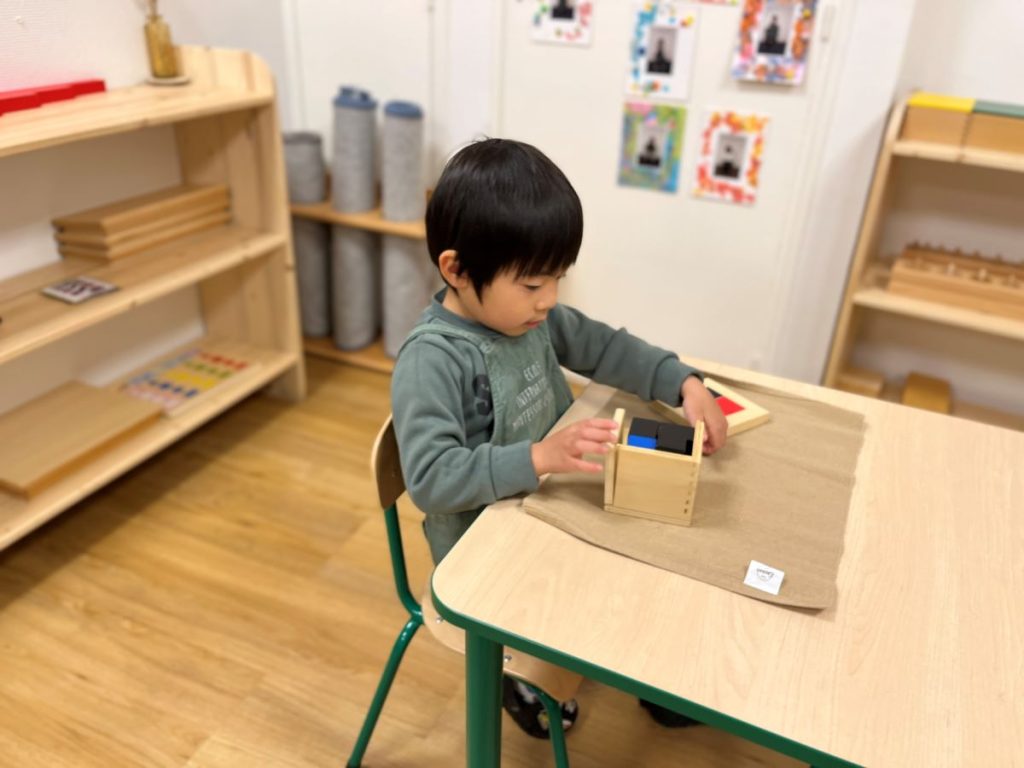
Crafting a Focused Learning Atmosphere
In the pursuit of effective learning environments, educators must recognize that simplicity can significantly enhance students’ ability to absorb information. A clutter-free environment does not merely improve the aesthetic appeal of a classroom; it actively promotes cognitive functions. Current research backs the claim that environments with fewer physical distractions positively impact learning outcomes. For example, studies conducted by educational psychologists reveal that students who learn in settings designed with simplicity in mind are up to 30% more likely to engage fully with the material presented.
One of the fundamental components of cultivating such an environment is the implementation of flexible learning spaces. Traditional, rigid classroom setups with rows of desks can inhibit collaboration and engagement. Instead, creating dynamic spaces that allow for group work and individual study can enhance interaction and creativity. A classroom designed with movable furniture encourages students to reconfigure their space according to their learning needs, fostering an adaptive learning environment that emphasizes a minimalist approach.
Practical Techniques for Simplification
Implementing simplicity in education involves tangible strategies that help to reduce distractions while promoting learning. Here are some key approaches that educators can adopt:
- Technology Management: While technology can be immensely beneficial, it often serves as a source of distraction. Educators can set clear guidelines for appropriate technology use during lessons, integrating tools that supplement learning rather than detract from it. Schools adopting a ‘tech-free’ day once a week report improved focus and communication skills during face-to-face interactions.
- Streamlined Instruction: Reducing the complexity of teaching methods can lead to clearer understanding. By prioritizing core concepts and delivering instruction in a straightforward manner, students can engage with material more deeply. Programs that emphasize fewer but more robust lessons allow learners to gain mastery without feeling overwhelmed.
- Visual Aids with Purpose: While visual elements can enhance understanding, overloading classrooms with posters and displays can be counterproductive. Focusing on a few well-placed, high-impact visual aids can aid retention while maintaining clarity. Learning spaces that utilize interactive boards instead of traditional whiteboards can captivate student interest without excessive distraction.
The emphasis on a simplified educational framework does not imply a reduction in the quality of education. Instead, it focuses on optimizing the learning process by removing barriers that impede progress. As educators around the United States increasingly recognize the value of simplicity, the pathway to deeper understanding and improved academic performance becomes clearer.
Ultimately, the goal of creating a less distracting learning environment is multifaceted—it aims not only to enhance academic skills but also to foster emotional well-being and resilience in students. As we look ahead, it becomes essential to explore innovative strategies that facilitate this transformation, paving the way for a future where simplicity reigns in education.
| Advantage | Description |
|---|---|
| Enhanced Focus | Minimizing distractions helps students maintain concentration, resulting in deeper learning and retention of information. |
| Simpler Curriculum | Streamlining educational content allows educators to emphasize fundamental concepts without overwhelming students with excessive material. |
| Improved Engagement | Engaging students in a distraction-free environment encourages participation and fosters enthusiasm for learning. |
| Stress Reduction | Creating a calm atmosphere helps alleviate anxiety, making students feel more at ease and open to absorbing new information. |
Focusing on simplicity in educational settings is not merely about aesthetics; it is fundamentally about optimizing the learning experience. By reducing visual and auditory clutter, educators can create environments that promote clarity and understanding. Research indicates that students who learn in simpler, less distracting spaces often exhibit higher levels of academic performance.One particularly effective approach is to utilize minimalist design principles in classrooms, which advocates for the removal of superfluous items that do not directly contribute to learning objectives. This practice not only enhances the aesthetic appeal of learning environments but also reinforces a sense of purpose among students.In addition, prioritizing collaborative learning strategies in minimalist settings encourages peer interaction while keeping the focus on collective problem-solving. This integration of simplicity with teamwork fosters a strong learning community, motivating students to engage deeply with the content.As educators continue to explore these advantages, understanding their impact on student outcomes becomes essential for shaping future teaching methodologies.
DISCOVER MORE: Click here to unlock expert tips
Engaging Students Through Minimalism
To foster a deeper connection with learning, simplicity must extend beyond the physical realm into pedagogical practices. Engaging students effectively requires more than just uncluttered spaces; it necessitates a thoughtful approach to curriculum and instructional design. One effective strategy involves project-based learning, which allows students to explore real-world problems in a streamlined manner. Rather than overwhelming them with disparate topics, projects encourage learners to focus on one theme or question, enabling them to dive deeply and produce meaningful work. This immersion often results in 21st-century skills like critical thinking and collaboration, which are vital in today’s workforce.
Moreover, integrating mindfulness practices into the classroom can significantly enhance focus and reduce anxiety. Techniques such as brief meditation sessions or guided breathing exercises at the start of a lesson can center students, minimizing mental distractions and preparing them for engagement. Research indicates that schools that incorporate mindfulness practices see a marked improvement in student attention and emotional regulation, yielding an additional 10% increase in academic performance in some districts.
Designing Curriculum with Clarity
A streamlined curriculum is essential for creating an environment conducive to focus. Eliminating superfluous content allows students to grasp fundamental concepts before layering on more complex ideas. This approach can be likened to the philosophy of ‘less is more,’ where fewer topics allow for a more profound understanding. Educators can implement strategies such as spiraled learning, where core concepts are revisited periodically but with increasing complexity. This technique ensures mastery over time, reducing the cognitive overload that often comes from attempting to juggle multiple concepts at once.
Another important aspect is feedback mechanisms. Simple, clear feedback promotes motivation and encourages students to reflect on their learning. Structured feedback sessions, rather than lengthy, complex evaluations, can provide students with immediate insights into their progress, inviting them to take ownership of their learning journey. Studies show that timely feedback can improve student performance by as much as 25%, underscoring its importance in a simplified educational framework.
Creating a Supportive Community
Simplicity in education also hinges on building strong relational dynamics among students, teachers, and parents. A community-oriented approach promotes a shared understanding of academic goals, creating an environment where distractions are minimized. Incorporating regular communication among stakeholders can ensure everyone is on the same page, facilitating added support for individual student needs. Parent-teacher meetings focused on streamlined communication can empower parents to engage positively in their children’s education, further reducing external distractions.
Furthermore, fostering a culture of gratitude and respect within the classroom promotes psychological safety, encouraging students to express themselves openly. When students feel supported and valued, they are more likely to concentrate on their learning rather than being burdened by social anxieties or disruptive behaviors. This collective focus cultivates an atmosphere where distractions fade into the background, allowing academic inquiry to take center stage.
In exploring these various elements of simplicity in education, it becomes evident that a multifaceted approach can create environments where learning flourishes. It highlights the potential for optimizing educational practices by embracing minimalism and redirecting focus toward core values, relationships, and clear communication, effectively empowering students and educators alike.
DISCOVER MORE: Click here for expert tips on maximizing your small space
Concluding Thoughts on Simplicity in Education
In conclusion, the pursuit of simplicity in education serves as a crucial foundational aspect in designing effective learning environments. By reducing distractions and emphasizing clarity, educators can unlock the potential within students, allowing them to focus on core concepts and engage deeply with the material. The integration of project-based learning and mindfulness practices, alongside a streamlined curriculum and supportive community dynamics, cultivates a holistic approach where learners thrive.
As we embrace the philosophy of ‘less is more’, we must consider the impactful benefits a minimalist approach brings to the classroom, from fostering critical thinking to enhancing emotional well-being. Establishing clear feedback mechanisms not only motivates students but also drives addiction to the learning process. Engaged students become active participants in their education, building skills that will last a lifetime.
The time has come for educators, parents, and community leaders to advocate for a shift towards simplicity in educational frameworks across the United States. This shift promises not only improved academic performance but also stronger, more connected communities. Investigating how to implement these strategies effectively can lead to profound changes in educational outcomes, and ultimately, in the lives of students. By prioritizing simplicity, we create a landscape where learning can flourish, paving the way for a brighter future.