
The influence of plants on air purification: Incorporating natural solutions in house cleaning
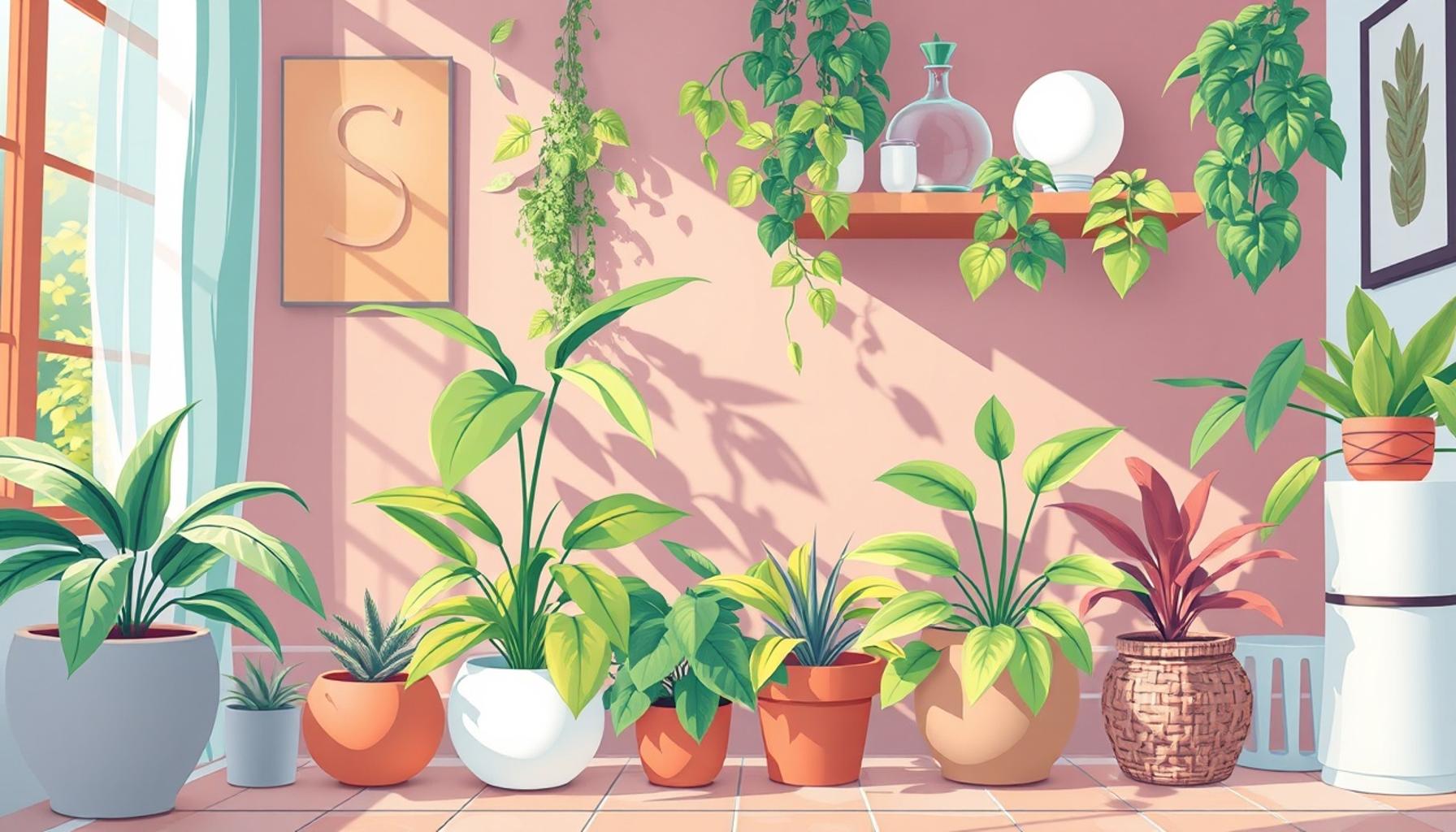
The Role of Plants in Indoor Air Quality Enhancement
As we increasingly seek methods to improve the air we breathe indoors, it’s becoming clear that plants are our silent yet impactful allies. Not only do they bring vibrancy and life to our homes, but they also contribute significantly to air purification. With a rising appreciation for natural elements in our indoor spaces, recognizing the specific ways these plants can enhance air quality is more critical than ever.
Indoor air pollution can often go unnoticed, yet it poses a real threat to our health. Common culprits include:
- Carbon dioxide – often elevated in closed spaces, this gas can lead to headaches and fatigue.
- Formaldehyde – frequently found in household products like cleaning agents and furniture, it can cause skin irritation and respiratory issues.
- Benzene – present in paints and plastics, it is a known carcinogen linked to blood disorders.
- Volatile organic compounds (VOCs) – a broad category that includes numerous chemicals, which can lead to short-term and long-term health effects.
Fortunately, research from institutions such as NASA has shown that various houseplants possess exceptional air-purifying abilities. For instance, the Spider Plant is renowned for its prowess in removing formaldehyde and xylene, common pollutants often released from synthetic materials. This adaptable plant thrives in various conditions, making it a popular choice for homes across the United States.
Another effective air purifier is the Pothos, a vine plant that thrives in low light. This versatile green friend is celebrated for its ability to combat carbon monoxide and benzene, creating a safer living environment. Its trailing vines not only filter the air but also add a touch of nature to your home.
Moreover, the Peace Lily stands out due to its effectiveness at absorbing mold spores and VOCs. In regions with high humidity, this plant can significantly deter mold growth, making it an excellent choice for bathrooms or kitchens.
Incorporating these plants into your living space offers dual benefits: enhancing aesthetic appeal while actively promoting a healthier lifestyle. As the demand for environmentally friendly cleaning solutions rises, embracing nature as a method for air purification becomes increasingly attractive.
Exploring the integration of plants into your home can lead to improved air quality, reduced allergens, and an overall calming atmosphere. In a world where artificial air cleaners dominate the market, the sustainable choice of plant-based air purification solutions invites a harmonious blend of nature into our everyday lives. With a little research and care, anyone can cultivate a home that prioritizes wellness and embraces the inevitable beauty of the natural world.
DISCOVER MORE: Click here to learn about maximizing your space
Harnessing the Power of Nature for Cleaner Air
Indoor environments are often fraught with pollutants that can lead to detrimental health effects. According to the Environmental Protection Agency (EPA), indoor air can be up to five times more polluted than outdoor air. Thus, exploring natural air purification solutions such as houseplants takes on a crucial role in enhancing indoor air quality.
Beyond aesthetics, plants perform a myriad of functions that contribute to their air-purifying prowess. Through a process known as photosynthesis, plants absorb carbon dioxide and release oxygen, improving air quality while simultaneously enriching humidity levels. This natural process helps to alleviate symptoms caused by dry air, particularly during the winter months when heating systems can exacerbate dryness.
Furthermore, many plants have demonstrated a remarkable capacity to filter harmful chemicals from their environment. Here are some noteworthy houseplants recognized for their air-purifying abilities:
- Bamboo Palm – Known for its ability to filter benzene, formaldehyde, and trichloroethylene, this plant also adds a tropical flair to your home.
- Rubber Plant – With its ability to eliminate formaldehyde and its relatively low maintenance needs, it makes for an ideal option for busy households.
- Aloe Vera – Beyond its health benefits, this succulent can help reduce formaldehyde and benzene levels while providing soothing properties for skin irritations.
- Areca Palm – Perfect for humid spaces, this palm not only adds beauty but also serves as a natural humidifier and effective remover of indoor toxins.
Each of these plants offers specific benefits while helping to create a serene environment that emphasizes health and natural beauty. Their ability to absorb toxins is further enhanced by the fact that they actively store carbon, which enables a consistent cycle of oxygen production. Moreover, many of them are well-suited for the varying light conditions found in typical homes, making integration seamless.
As you consider incorporating greener alternatives into your cleaning routine, take into account the symbiotic relationship between plants and air quality. Natural air purification not only minimizes dependence on synthetic air fresheners and cleaners, which often contain harsh chemicals, but also represents a sustainable approach to indoor living.
Transitioning to a plant-friendly home can be an enriching experience, promoting both aesthetic and health benefits. Embracing nature as a cleaning solution redefines how we perceive our environments, inviting a sense of peace and vitality into our daily routines. Stay tuned as we delve deeper into choosing the right plants to fit your lifestyle and address air quality concerns in your home.
The Influence of Plants on Air Purification
In today’s world, where indoor air quality is often compromised by pollutants, the incorporation of plants as natural air purifiers has gained significant attention. Numerous research studies demonstrate that certain houseplants can effectively remove toxins from the air, making them invaluable allies in maintaining a healthier living environment.
Indoor plants such as the Peace Lily, Spider Plant, and Snake Plant are not only aesthetically pleasing but also have proven air-cleaning properties. For instance, NASA’s Clean Air Study highlighted how these plants can absorb harmful substances such as formaldehyde, benzene, and trichloroethylene, often found in household products.
Moreover, plants like the Boston Fern and the Dracaena species are known to amplify humidity levels, which can combat dry air-related issues, often leading to respiratory health concerns. The natural solution of incorporating plants into your home cleaning regimen offers a dual benefit: enhancing air quality and contributing to the overall aesthetic of your living spaces.
Incorporating these plants can be as simple as placing them near windows or in living areas where you spend the most time. Not only do they work to purify air, but they also encourage relaxation and well-being. Engaging with nature, even in small indoor settings, can be a stress reliever and promote mental clarity.
Explore the potential of enhancing your home with plant life to achieve a balance between cleanliness and a natural ambiance that serves both your health and home decor needs.
| Plant Type | Air Purification Benefits |
|---|---|
| Peace Lily | Removes toxins like formaldehyde and enhances humidity. |
| Spider Plant | Effective in eliminating indoor air pollutants and easy to care for. |
| Snake Plant | Releases oxygen at night, promoting clean air while you sleep. |
| Boston Fern | Excellent at eliminating formaldehyde and increasing humidity levels. |
By understanding the synergistic relationship between plants and air purification, you can make informed choices that not only promote cleanliness but also foster a serene and vibrant atmosphere in your home.
DISCOVER MORE: Click here for eco-friendly solutions
Integrating Green Solutions into Everyday Living
As we navigate the complexities of modern living, the benefits of incorporating plants into our homes transcend mere decoration. These living organisms serve as both natural air purifiers and essential partners in health and well-being. Research conducted by NASA in the late 1980s provided early insights into the air-purifying capabilities of houseplants, suggesting that certain species could filter out specific volatile organic compounds (VOCs) found in everyday household products. The continued exploration of this phenomenon reveals that plants not only cleanse the air but also contribute positively to our mental health and productivity.
For instance, the presence of indoor plants has been linked to enhanced concentration and productivity among workers. A study published in the Journal of Environmental Psychology found that employees working in environments enriched with greenery exhibited higher vitality and lower levels of stress. These findings emphasize the dual role of plants: they improve air quality while nurturing our mental and emotional well-being.
Moreover, specific plants such as the Peace Lily and Spider Plant are particularly effective in removing indoor air pollutants like ammonia, xylene, and toluene. The Peace Lily, admired for its stunning blooms, is not only an aesthetic addition but also thrives in low-light conditions, making it an excellent choice for those with less-than-ideal sunlight. Meanwhile, the Spider Plant, with its unique arching leaves, is extremely resilient and makes for an effortless addition to any household. Both plants contribute to creating cleaner air while adding to the visual appeal of the home.
Implementing a plant-centric approach can also support sustainability efforts by reducing the reliance on commercially manufactured air purifiers and chemical-laden cleaning products that often exacerbate indoor air quality issues. Instead of resorting to synthetic fragrances or aerosols, which may provide temporary relief from unpleasant odors, households can explore natural methods to keep their environments fresh. The essential oils derived from certain plants can offer similar benefits while being devoid of harmful chemicals.
To enhance your home’s air quality further, consider combining plants with other natural solutions. For instance, using vinegar as a multi-surface cleaner not only supports cleanliness but also works harmoniously with your indoor plants. Vinegar acts as a natural deodorizer, effectively neutralizing unpleasant smells without introducing toxins. Pairing this with the right selection of plants ensures that every corner of your home contributes to a healthier environment.
As individuals strive for more sustainable lifestyles, the role of plants extends beyond mere functionality; they embody a commitment to embracing nature in our daily lives. When choosing the right plants, it’s essential to consider factors such as light availability, humidity requirements, and personal preferences for maintenance. Online resources and local botanical gardens offer valuable insights into which plants might best suit your home’s conditions and your unique lifestyle.
Incorporating houseplants as a natural solution not only enhances air quality but also cultivates a deeper connection to the environment, encouraging mindfulness and appreciation for the natural world. As we explore this integration further, understanding the different species and their specific advantages becomes crucial for maximizing the benefits of plants in our homes.
DISCOVER MORE: Click here to learn about eco-friendly cleaning solutions
Conclusion: Embracing Nature for a Healthier Home
In conclusion, the influence of plants on air purification signifies a pivotal shift in how we approach indoor cleaning and wellness. By integrating natural solutions such as houseplants into our living spaces, we not only enhance air quality but also foster a nurturing environment for our mental and emotional well-being. The profound benefits of plants, supported by extensive research, highlight their ability to filter volatile organic compounds (VOCs) and improve our overall quality of life.
From the resilience of the Spider Plant to the elegance of the Peace Lily, selecting the right species tailored to your home’s conditions can maximize the air-purifying effects. Furthermore, pairing plants with other eco-friendly cleaning solutions—such as vinegar and essential oils—creates a holistic approach to maintaining a healthy indoor environment.
As we become increasingly aware of the implications of our choices, embracing this green revolution not only supports sustainability but also cultivates a deeper appreciation for the natural world. The fusion of houseplants with conscious cleaning practices invites us to rethink our living spaces, making them havens of health and tranquility. In a society increasingly focused on well-being, the humble houseplant stands as a testament to the power of nature in enriching our daily lives. It encourages us, as individuals and communities, to invest in more sustainable and health-conscious lifestyles.

Linda Carter
Linda Carter is a writer specializing in efficient house cleaning and maintenance. With extensive experience helping readers keep their homes clean, organized, and well cared for, Linda shares practical guidance on cleaning routines, household upkeep, stain removal, and time-saving methods. Her goal is to provide simple tips and effective strategies that make home care easier, faster, and more manageable.