Strategies for dividing cleaning tasks among family members to optimize time

Understanding the Importance of Optimized Cleaning Strategies
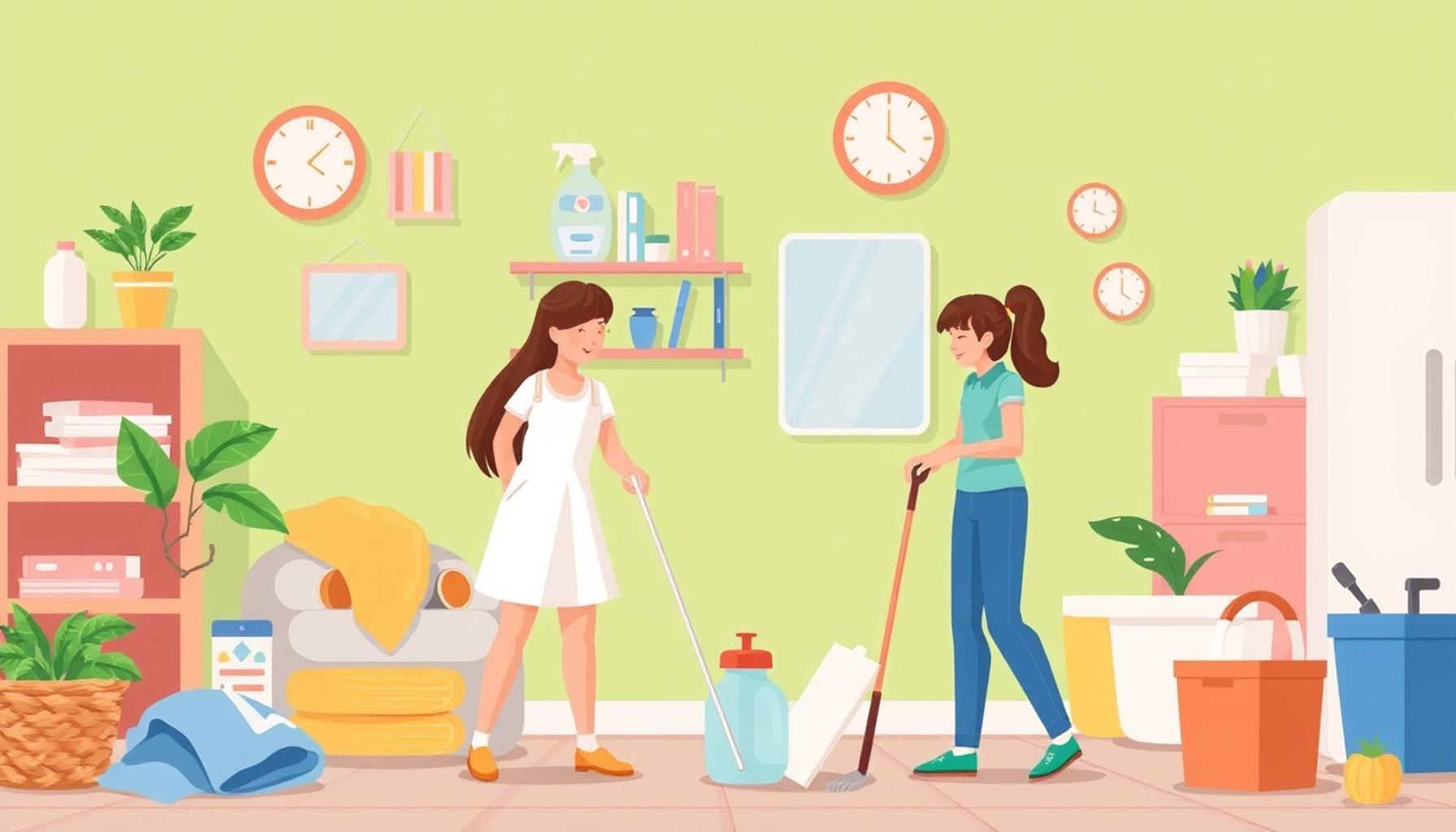
Managing household tasks efficiently can significantly enhance the quality of life in busy families. The process of cleaning, often seen as a chore, can become a positive family bonding experience when approached collaboratively. With commitments pulling family members in different directions, it’s essential to find ways to streamline cleaning duties, making each task more manageable and less burdensome.
One of the first steps toward an organized home is task assignment. By clearly defining who is responsible for specific chores, each family member knows their contributions without confusion. For instance, parents might take on heavy-duty cleaning tasks, while children can manage tidying their rooms and assisting with lighter chores in communal areas such as the living room or kitchen. This explicit division not only helps in tracking responsibilities but also encourages accountability among family members.
Age-appropriate tasks are another critical element in efficiently managing cleaning duties. Younger children can engage in simple tasks, like sorting laundry or dusting surfaces, while older kids can manage more complex chores, such as vacuuming or washing dishes. This approach not only promotes teamwork but also teaches children valuable life skills. For example, a teenager might take on the challenge of meal prep as part of their cleaning duties, paving the way for them to develop cooking skills and a sense of independence.
Establishing a consistent cleaning schedule is vital for preventing last-minute rushes that lead to stress. Families can create a weekly calendar, possibly on a bulletin board or shared online, outlining when specific chores should be completed. Incorporating regular family “cleaning days” ensures that everyone participates and holds each other accountable. Some families may find that doing a quick clean-up each evening, perhaps for just 15-30 minutes, can be beneficial in maintaining order without extensive effort at the end of the week.
Research has shown that when families work together on cleaning assignments, they often complete tasks faster and enjoy quality time together. This communal effort fosters a sense of responsibility and enhances the family dynamic. A study published by the American Psychological Association indicates that cooperative family activities, such as cleaning, can facilitate healthier relationships and promote a more harmonious living environment.
By exploring and implementing these innovative strategies for dividing cleaning chores, families can not only minimize conflicts but also enhance their sense of teamwork and camaraderie. Are you prepared to revolutionize your cleaning routine into a dynamic and efficient family effort? As you implement these practices, consider how they can lead to a more organized home and potentially ease the daily pressures of family life.
DIVE DEEPER: Click here to discover how technology can revolutionize your cleaning routine
Effective Task Assignment Methods for Families
When considering strategies for dividing cleaning tasks among family members, it is crucial to implement a systematic approach. Effective task assignment not only enhances efficiency but also fosters a sense of unity within the household. Families can take advantage of various methods to ensure that cleaning duties are distributed evenly and appropriately, leading to a smoother cleaning process overall.
Identify Individual Strengths and Preferences
Understanding each family member’s strengths and preferences can play a pivotal role in task assignment. For instance, some individuals may excel at organizing spaces while others may prefer hands-on tasks like scrubbing. To maximize efficiency, consider conducting a family meeting where everyone can express their cleaning affinities. This can lead to a mutually beneficial arrangement, as tasks will be assigned according to each person’s inclination and skill level. Here are a few tips to identify strengths:
- Surveys and Discussions: Initiate conversations about household tasks, encouraging family members to share their thoughts on which chores they enjoy and which they prefer to avoid.
- Trial Assignments: Give family members the chance to try different tasks for a week to see what they excel at and enjoy the most.
- Rotate Responsibilities: Rotate tasks periodically to allow everyone to develop new skills while keeping the cleaning process fresh and engaging.
Implement Visual Aids and Checklists
A well-organized system can provide family members with a clear understanding of their duties. Visual aids like chore charts or checklists can serve as tangible reminders of responsibilities, preventing misunderstandings and ensuring tasks are completed. A centralized chart that displays assigned chores can be hung in common areas, which contributes to accountability. Here’s how families can effectively create and use chore charts:
- Color-Coding: Assign specific colors to each family member for easy identification of tasks on a chore chart.
- Incorporate Rewards: Provide incentives for completing chores, such as a fun family outing or extra screen time, which can motivate everyone to pull their weight.
- Daily and Weekly Lists: Organize chores by frequency to clarify expectations, listing daily tasks that require quick attention alongside more extensive weekly jobs.
Utilizing Technology for Efficiency
In today’s digital age, leveraging technology can significantly enhance the way cleaning tasks are managed. Families can utilize various apps designed for task management, allowing each member to access a digital checklist of assigned chores. Applications like Todoist, Cozi Family Organizer, or OurHome can provide families with a streamlined platform to stay organized and track progress collaboratively. These tools not only facilitate better management of chores but also allow family members to communicate effectively regarding their cleaning schedule, making it easier to adapt as needed.
In summary, implementing a thorough approach to division of cleaning tasks can lead to maximized time efficiency and a more harmonious family environment. Identifying personal strengths, utilizing visual aids, and incorporating technology are powerful strategies that, when executed effectively, can transform cleaning from a burdensome duty into a productive and even enjoyable family activity.
| Category | Advantages |
|---|---|
| Task Assignment | By assigning specific tasks to each family member, you create a sense of ownership and responsibility. |
| Time Management | Optimizing time through scheduled cleaning sessions allows families to efficiently tackle household chores without stress. |
| Teamwork Enhancement | Collaborative efforts foster family bonding, making cleaning a less daunting and more enjoyable experience. |
| Skill Development | Dividing tasks teaches children essential life skills and reinforces the importance of maintaining a clean living environment. |
Utilizing strategies for dividing cleaning tasks encourages efficiency and promotes harmony within the household. Each member can contribute to an organized family effort, resulting in a cleaner home and more free time for family activities. For more insights on establishing effective cleaning routines, consider exploring various scheduling techniques, incorporating fun into chores, or using reward systems to motivate participation. These tactics not only elevate the overall experience but also instill valuable lessons that will benefit family members in their future endeavors.
DISCOVER MORE: Click here for eco-friendly cleaning tips
Creative Approaches to Make Cleaning Engaging
To further enhance the effectiveness of strategies for dividing cleaning tasks, families can incorporate creative approaches that make the process more engaging. By infusing fun and camaraderie into the cleaning regimen, family members may be more inclined to participate actively, ultimately resulting in a cleaner home without the drudgery typically associated with chore completion.
Establish Cleaning “Games” or Challenges
Transforming cleaning tasks into friendly competitions can motivate family members to put in more effort. This could involve setting a timer and challenging each other to complete their respective chores before it runs out. For example, initiate a “10-Minute Tidy” where each person has ten minutes to tackle a specific room. These cleaning sprints not only help to maximize productivity but also create a lively atmosphere. Here are some ideas for implementing cleaning challenges:
- Team Clean-Up: Split the family into teams and compete to see which group can clean their designated area quicker and more thoroughly.
- Theme Days: Designate themed days—like “Flash Cleanup Friday”—where all family members come together for a collective clean with energetic music playing in the background.
- Scavenger Hunts: Create lists of items to organize or find while cleaning, which adds an element of adventure to routine chores.
Incorporate Routine Family Clean-Up Days
Designating a specific day or time each week dedicated to communal cleaning can help normalize the act without feelings of resentment or frustration. This coordinated effort ensures everyone understands their role and expectations. A schedule can be created as part of a family calendar, allowing everyone to plan around it and view it as a regular family activity, rather than an obligation. Here are ways to make these clean-up days effective:
- Set a Timer: Structuring the cleaning day around time limits can make tasks less daunting. Limiting work to two hours followed by a family reward (like a movie night) can create a sense of accomplishment.
- Prioritize Big Tasks: Use these clean-up days to tackle larger household projects that typically get overlooked, such as pre-season garage cleaning or attic organization.
- Create a Fun Atmosphere: Use upbeat music or audiobooks to keep everyone motivated during cleaning sessions. This can be a great way to bond as each family member enjoys their favorite playlist while tackling chores.
Emphasize the Benefits of a Clean Home
Communicating the benefits of maintaining a clean living space can foster a collective responsibility towards household chores. Educate family members about how a tidy environment can lead to reduced stress, better health, and increased productivity. Sharing articles, studies, or even personal anecdotes can underscore the impact of cleanliness on mental well-being. This can enhance each member’s motivation to contribute. Here are some compelling points to emphasize:
- Health Benefits: Regular cleaning reduces allergens and germs, resulting in a healthier living environment.
- Improved Mood: Research indicates that people tend to feel happier and more accomplished in clean spaces, positively affecting family dynamics.
- Increased Productivity: Clutter-free spaces are shown to enhance focus and productivity, making it easier to engage in work or study.
By implementing these engaging strategies such as cleaning competitions, setting aside dedicated clean-up days, and highlighting the benefits associated with a clean home, families can not only divide cleaning tasks effectively but also ensure that everyone is motivated and involved. This approach not only streamlines the cleaning process but also creates a positive atmosphere where contribution feels rewarding rather than burdensome.
DIVE DEEPER: Click here to discover small tasks that can transform your daily routine
Conclusion
In conclusion, optimizing time and energy when tackling household cleaning tasks through effective division among family members is crucial for maintaining a harmonious home environment. By utilizing strategies for dividing cleaning tasks—including assigning specific roles, establishing routines, and creating engaging challenges—families can transform the often mundane chore of cleaning into a collective responsibility that fosters teamwork and communication. Emphasizing the benefits of a clean space, such as improved health and mood, enhances motivation across all family members, reinforcing the idea that cleanliness is a shared responsibility rather than an individual burden.
Moreover, the introduction of fun elements like cleaning competitions and themed clean-up days serves to not only speed up the process but also build stronger family bonds. When families work together, they create a positive atmosphere where contributions are valued, and the sense of achievement becomes a catalyst for ongoing participation in household upkeep.
As you implement these strategies in your own home, consider customizing them to fit your family’s dynamics and preferences. Whether it’s setting a timer for quick cleaning sprints or rewarding everyone after a successful clean-up day, the key is to find an approach that resonates with all family members. By doing so, you can ensure that your home remains a haven of cleanliness and comfort, allowing you to maximize your time for more enjoyable and fruitful activities together.

Linda Carter
Linda Carter is a writer specializing in efficient house cleaning and maintenance. With extensive experience helping readers keep their homes clean, organized, and well cared for, Linda shares practical guidance on cleaning routines, household upkeep, stain removal, and time-saving methods. Her goal is to provide simple tips and effective strategies that make home care easier, faster, and more manageable.