Strategies for Delegating Family Tasks for Faster House Cleaning
Maximize Your Time with Smart Delegation
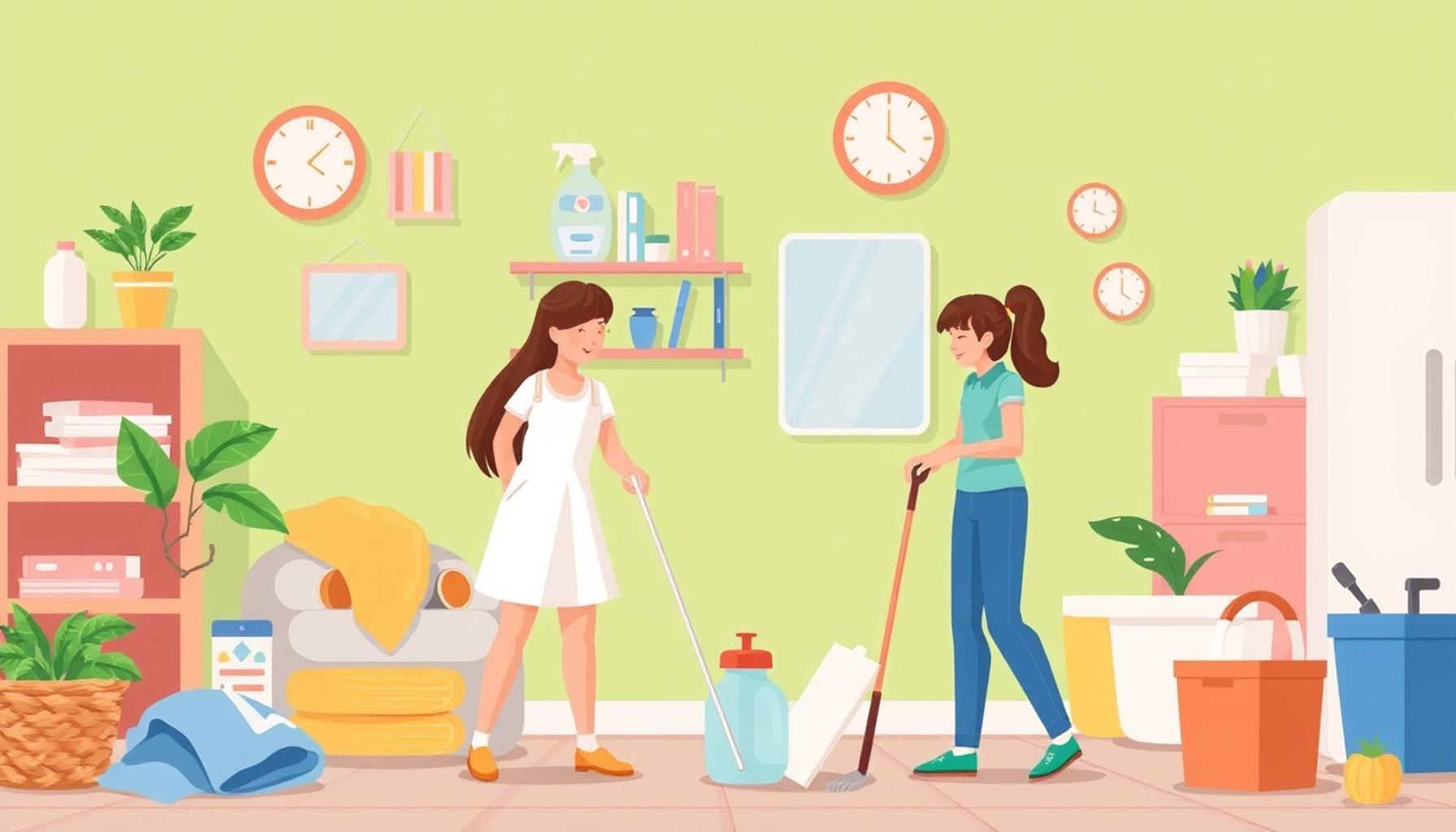
In today’s fast-paced world, where many families find themselves juggling school responsibilities, careers, and social obligations, the task of house cleaning can quickly become overwhelming. This is where the art of delegation comes into play. Implementing effective strategies for delegating family tasks can help streamline the cleaning process and foster a more collaborative home environment.
Assign Roles Based on Strengths
One of the most effective ways to manage household chores is by assigning specific roles to each family member. Identify the strengths or preferences of each individual. For example, if one child enjoys organizing, they could take charge of tidying up the living room or their own bedroom. If another is particularly good at washing dishes, let them handle kitchen cleanup. This not only expedites the cleaning process but also empowers family members to take pride in their contributions, fostering a sense of ownership within the home.
Create a Cleaning Schedule
To further enhance efficiency, consider using a cleaning calendar. This tool can help families visualize their tasks in a structured manner, mitigating confusion about who does what and when. For instance, designate Mondays for laundry, Wednesdays for vacuuming, and Saturdays for deep cleaning the bathrooms. Utilizing apps or planners that send reminders can keep everyone accountable. Regularly updating and involving the family in the scheduling process can also allow for flexibility, accommodating busy weeks or unexpected changes.
Set Clear Expectations
To avoid any potential misunderstandings, it’s crucial to set clear expectations. Discuss what specific tasks need to be completed and the expected standards required for each task. For example, rather than simply stating that someone is responsible for cleaning the kitchen, provide details about what that entails, such as wiping down countertops, sweeping the floor, and loading the dishwasher. This approach not only clarifies responsibilities but also helps teach valuable lessons in communication and accountability.
Make Cleaning Fun
Cleaning doesn’t have to be a mundane chore. Incorporating elements of fun can greatly enhance engagement. Consider turning cleaning into a game through friendly competitions, such as who can pick up the most items in five minutes or who can fold laundry the quickest. Adding music or podcasts can also liven up the atmosphere, making the experience much more enjoyable for everyone involved.
By implementing these strategies at home, families can create a more organized living environment. Not only do these methods lead to a tidier space, but they also cultivate valuable skills in responsibility and teamwork. Moreover, research indicates that sharing household tasks strengthens family bonds and reduces stress levels. Families who work together often report feeling more connected and supportive of one another.
Embrace the opportunity to turn house cleaning into a collaborative and positive experience. With smart delegation, the journey to a cleaner home can be quicker, more efficient, and even enjoyable for everyone involved. Discover how these strategies can transform your cleaning routine, creating not just a tidy living space, but a happier family dynamic.
DISCOVER MORE: Click here for sustainable cleaning tips
Empower Your Family with Effective Task Delegation
When it comes to house cleaning, many families believe that they must shoulder the entire burden themselves. However, understanding that delegation can drastically cut down the time spent on these chores is key to achieving a more efficient cleaning routine. By involving every family member, you not only lighten the load but also cultivate valuable teamwork skills and responsibility.
Establish a Family Meeting
Before implementing any new cleaning strategy, consider holding a family meeting to discuss roles and responsibilities. This gathering provides a platform where every member can voice their preferences and concerns regarding household chores. It’s also an excellent time to educate the family about the importance of collaboration in maintaining a clean living space. Open communication fosters a sense of unity and allows everyone to feel invested in the household’s upkeep.
Utilize a Family Chore Chart
Creating a chore chart can significantly enhance the efficiency of your cleaning efforts. Not only does it serve as a visual reminder of responsibilities, but it also adds an element of accountability. Consider the following points when designing your chore chart:
- Incorporate Variety: Include a mix of daily, weekly, and monthly tasks to keep things fresh and engaging.
- Rotate Tasks: Give family members the opportunity to try different chores. This ensures everyone gains a well-rounded experience in household management.
- Adjust Based on Age: Customize tasks according to the age and capabilities of each family member to ensure that workload is appropriate and achievable.
For instance, young children can be tasked with picking up toys and putting away their clothes, while older siblings can take on more complex responsibilities like vacuuming or mopping. It’s crucial to involve everyone, which promotes a shared sense of achievement when tasks are completed.
Set Time Limits for Tasks
Another powerful strategy for speeding up house cleaning is to impose time limits on task completion. Challenge family members to complete their assigned chores within a set time frame. This not only fosters a sense of urgency but can also transform cleaning into a fun challenge. For example, set a timer for ten minutes and see who can clean the kitchen the fastest while meeting the cleaning standards discussed earlier. This approach can keep energy levels high and make the cleaning experience more dynamic.
Incentivize Contributions
Lastly, creating a system of rewards can motivate family members to participate actively in cleaning efforts. Implement a points system where each family member earns points for completing chores. At the end of the week, points can be redeemed for small rewards, such as a favorite treat or an extra hour of screen time. This incentivization not only encourages participation but also teaches children about the value of hard work and its rewards.
By employing these targeted strategies, families can streamline their cleaning routines and foster a collaborative spirit in their homes. The right combination of planning, communication, and motivation can transform mundane chores into engaging and rewarding tasks, making house cleaning a shared responsibility everyone contributes to and benefits from.
| Delegation Strategy | Advantages |
|---|---|
| Assigning Age-Appropriate Tasks | Fosters independence and responsibility in children. |
| Creating a Cleaning Schedule | Ensures accountability and maximizes efficiency during cleaning sessions. |
| Incorporating Family Meetings | Encourages collaboration and open communication among family members. |
| Utilizing Checklists | Helps keep everyone focused and tracks progress, ensuring tasks are completed. |
Implementing these delegation strategies can significantly reduce the time spent on house cleaning while simultaneously promoting teamwork within the family. For example, when parents assign age-appropriate tasks to children, it not only helps in accelerating the cleaning process but also nurtures a sense of ownership and accountability in young ones. Likewise, creating a detailed cleaning schedule that assigns specific tasks to each family member maximizes efficiency as it sets clear expectations and deadlines.Moreover, holding family meetings can serve as a platform for discussing cleaning duties and allowing each member to voice their preferences, making the workload feel less of a chore. Utilizing checklists further ensures that everyone stays on track and that all cleaning tasks are completed to satisfaction. By embracing these strategies, families can transform cleaning from a dreaded duty into a collaborative activity that cultivates meaningful connections. The overall experience of managing household chores becomes smoother, promoting an organized and healthier living environment.
DON’T MISS: Click here to streamline your cleaning routine
Enhancing Household Efficiency Through Collaborative Planning
Implementing an effective cleaning strategy is not solely about assigning tasks; it involves fostering a sense of community and responsibility among family members. To elevate your family’s cleaning routine, consider additional methods that will enhance your delegation approach, leading to a cleaner home in less time.
Leverage Technology for Management
In today’s digital age, utilizing technology to streamline chore management can be a game-changer. Several apps and online platforms specialize in household management, enabling families to coordinate tasks more efficiently. Platforms like Cozi or OurHome allow family members to check tasks off in real-time, ensuring everyone stays informed and accountable. Moreover, you can incorporate reminders, checklists, and even digital rewards to keep the spirit of teamwork alive. Technology can make cleaning feel less like a chore and more like a coordinated mission.
Establish Cleaning Zones
Another effective strategy involves dividing your home into designated cleaning zones. This method allows each family member to take ownership of a specific area. When individuals know they are solely responsible for maintaining a particular part of the house, they’re likely to invest more effort into keeping it organized and tidy. For example, assign one child to the living room and another to the kitchen. This focus can lead to quicker cleaning sessions, as it trims down the overall scope of tasks.
Incorporate Cleaning Music or Podcasts
Transforming the house cleaning experience by incorporating music or engaging podcasts can turn mundane chores into enjoyable activities. Creating a family playlist or selecting a fun podcast brings positive energy into the cleaning environment. Studies have shown that listening to music with a good tempo can increase efficiency and motivation. When cleaning becomes an entertaining affair, family members are less likely to drag their feet when tackling chores.
Schedule Regular Clean-Up Days
Setting aside specific days for family clean-up sessions can help instill a sense of shared responsibility. Consider creating a recurring clean-up day where everyone participates in an organized blitz of the house. This could happen weekly or bi-weekly, depending on your family’s needs. Designating a specific day helps create an expectation, making everyone more likely to prepare and commit to their cleaning duties. Furthermore, balancing these sessions with planned family activities can make the commitment less burdensome and more rewarding.
Communicate Cleaning Standards and Goals
For delegation to be effective, it’s essential to establish clear cleaning standards and goals. During your family meeting, openly discuss what a clean room means to each family member and agree on achievable standards. For instance, instead of simply stating “clean your room,” specify that they should vacuum, put away laundry, and dust surfaces. Establishing measurable goals allows family members to understand expectations better, ensuring that tasks are completed to the desired satisfaction.
By integrating these innovative strategies into your cleaning routine, your family can experience a significant reduction in time spent on chores, all while developing essential life skills along the way. Empowering family members through structured initiatives not only promotes collaboration but also emphasizes the importance of maintaining a clean and organized home.
DISCOVER MORE: Click here to learn about the benefits of a weekly cleaning schedule</p
Wrapping Up: Streamlining the Family Cleaning Experience
In conclusion, delegating family tasks for faster house cleaning not only promotes efficiency but also strengthens family bonds. By utilizing the strategies discussed, such as leveraging technology for management, establishing cleaning zones, incorporating enjoyable elements like music, scheduling regular clean-up days, and communicating clear cleaning standards, families can transform the way they tackle household chores. This shift from individual efforts to a cohesive team approach can lead to faster and more effective cleaning sessions.
Moreover, these methods cultivate a sense of responsibility amongst family members, encouraging children to develop essential organizational skills that will benefit them in the long run. Families can create a more harmonious living environment while ensuring that cleaning duties are not a source of stress but rather an opportunity for collaboration and quality time together.
As you implement these strategies, remember to remain flexible and adapt to the unique dynamics of your household. Explore diverse methods, adjust as needed, and maintain open communication to ensure everyone remains engaged in the cleaning process. By doing so, you not only achieve a cleaner home but also foster a sense of pride and ownership in every family member. Let the adventures in house cleaning lead to laughter, teamwork, and a united effort in creating a welcoming living space.

Linda Carter
Linda Carter is a writer specializing in efficient house cleaning and maintenance. With extensive experience helping readers keep their homes clean, organized, and well cared for, Linda shares practical guidance on cleaning routines, household upkeep, stain removal, and time-saving methods. Her goal is to provide simple tips and effective strategies that make home care easier, faster, and more manageable.