
Creating a Family Cleaning Calendar: Involving Everyone in Home Maintenance
The Importance of a Family Cleaning Calendar
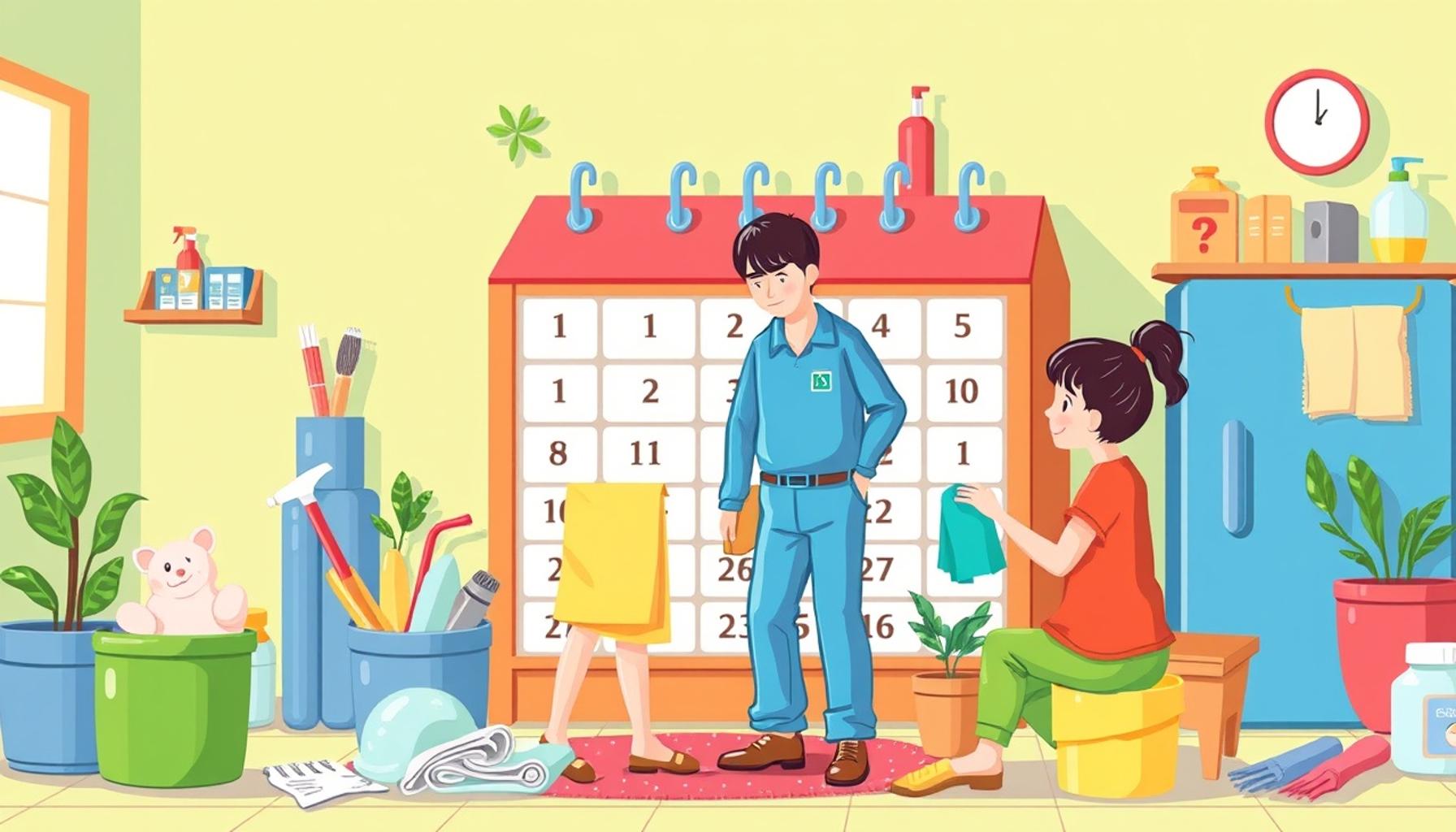
In our fast-paced lives, balancing work, school, and other commitments can leave little room for household chores. However, implementing a family cleaning calendar can turn these obligations into an organized and enjoyable family activity. This proactive approach not only distributes the workload but also enhances the connection between family members by instilling a sense of shared purpose.
Benefits of a Family Cleaning Calendar
The advantages of a structured cleaning calendar extend beyond just maintaining a tidy home. By establishing clear roles and responsibilities, families can cultivate a harmonious living environment.
- Shared Accountability: With designated tasks assigned to each family member, everyone becomes aware of their responsibilities. This clarity helps minimize misunderstandings and the chances of chores being neglected, resulting in a more collaborative atmosphere. For instance, if your teenager knows they are responsible for taking out the trash every Tuesday, they will feel a sense of ownership over that task.
- Scheduled Routine: A well-constructed calendar can help the family find a rhythm. When cleaning is scheduled, it fits seamlessly into the daily routine, making it less of a burden. A visual calendar, whether on a digital platform or a physical chart hung in the kitchen, reinforces this schedule, making it easy for everyone to see what needs to be done each day.
- Inclusivity: Including children in cleaning tasks not only teaches them essential life skills but also fosters a sense of teamwork. For example, assigning younger children age-appropriate tasks, like sorting laundry or dusting furniture, can help them feel like they are contributing members of the household. This inclusion encourages the development of responsible behavior that will benefit them as they grow older.
Imagine walking into a home where everyone is involved and the atmosphere is filled with laughter and collaboration rather than the stress of last-minute cleaning. Regular family cleaning sessions can lead to conversations and bonding moments that strengthen family ties. Children who participate grow up with a sense of pride in their living space, and the lessons learned about teamwork and responsibility carry into their adult lives.
As you consider the impact a family cleaning calendar could have on your household, think about potential challenges. Will everyone be on board? How can you motivate your family to stick to the schedule? Creativity is key. Gamifying chores can make cleaning feel more like a fun activity rather than a chore—consider setting a timer and seeing who can finish their tasks quickest, or offering small rewards for completing the entire week’s tasks.
Are you ready to explore the steps to create a family cleaning calendar? Dive in, and discover how this simple tool can significantly enhance your household dynamics and bring everyone closer together.
DISCOVER MORE: Click here to find out how plants can enhance your air quality
Getting Started with Your Family Cleaning Calendar
Creating an effective family cleaning calendar requires careful planning and consideration of your family’s unique dynamics. The goal is to ensure that every member feels involved and valued in home maintenance. Here are key steps to set you on the right track:
Assessing Your Home’s Cleaning Needs
The first step in developing a family cleaning calendar is to assess your home’s specific cleaning requirements. Walk through each room and identify the cleaning tasks that need to be done regularly. Some common chores to consider include:
- Dusting – This includes surfaces like shelves, window sills, and furniture.
- Vacuuming and Mopping – High-traffic areas will need attention more frequently.
- Bathroom Cleaning – Toilets, sinks, and mirrors demand regular upkeep.
- Kitchen Maintenance – From wiping down countertops to cleaning out the fridge, these tasks are crucial for hygiene.
- Yard Work – If you have a garden, lawn maintenance might also be part of your cleaning routine.
Once you’ve identified these tasks, categorize them into daily, weekly, and monthly chores. This categorization will help in establishing a clear cleaning rhythm that fits your family’s busy schedule.
Involve the Family in Task Assignments
One of the most effective ways to encourage participation is to involve your family in assigning tasks. Hold a family meeting and engage everyone in a discussion about chores. Consider the following points to optimize involvement:
- Discuss Preferences: Allow each family member to express their preferences for specific tasks. Perhaps one child enjoys vacuuming while another prefers washing dishes.
- Age Appropriateness: Assign age-appropriate tasks. Younger kids can handle simpler jobs, while older teens can take on more extensive responsibilities.
- Listen to Feedback: Be open to suggestions and possible adjustments. If a particular task seems overwhelming for a family member, find an alternative or break it down into manageable parts.
By creating a friendly environment where everyone feels their input is valued, you foster a shared commitment to maintaining the home. This sense of ownership encourages consistency and cooperation.
Creating a Visual Calendar
Once you’ve gathered your family’s input, it’s time to create a visual cleaning calendar. Whether it’s a whiteboard in the kitchen or a shared digital calendar, a visual tool can help in tracking progress and reinforcing the cleaning schedule. Consider the following tips:
- Color-Coding: Use different colors for each family member to easily distinguish duties at a glance.
- Set Reminders: For digital calendars, set reminders for each task to keep everyone accountable.
- Take Turns: Rotate chores weekly or monthly to keep things fresh and fair.
Creating this visual representation not only serves as a reminder but also motivates families by showcasing completed tasks and upcoming responsibilities. As your family checks off each chore, they will feel a sense of accomplishment and teamwork.
Ultimately, the foundation of a successful family cleaning calendar lies in collaboration and communication. Fostering these elements in your family not only promotes cleanliness but builds a stronger familial bond, making home maintenance a shared adventure rather than a solitary chore.
| Advantage | Description |
|---|---|
| Promotes Accountability | When everyone has a designated role, it creates a sense of responsibility among family members, enhancing participation. |
| Enhances Teamwork | Collaborative cleaning helps build stronger family bonds as everyone works together towards a common goal. |
| Reduces Stress | Having a well-organized calendar minimizes last-minute cleaning, leading to a calmer home environment. |
| Encourages Life Skills | Children learn valuable skills such as time management and responsibility through assigned cleaning tasks. |
Engaging your family in a cleaning calendar not only fosters collaboration but also cultivates essential life lessons. Each member feels included and empowered, knowing their contributions matter. This structured approach transforms mundane chores into playful cooperation, leading to increased participation and collaboration within the household. Scheduling regular cleaning tasks can eliminate the overwhelming feelings often associated with household maintenance. Moreover, lightening the load and breaking tasks into manageable sections contributes to a more harmonious environment. Ultimately, creating a family cleaning calendar is more than just about cleanliness; it’s about enhancing relationships and fostering an enriched family life, where maintenance becomes a collective effort, strengthening the family unit.
DISCOVER MORE: Click here to learn about time-blocking for cleaning
Implementing and Maintaining Your Family Cleaning Calendar
With your cleaning calendar in place, the next crucial step is implementing it effectively and maintaining the momentum. Often, the success of a family cleaning calendar hinges not only on its design but also on collective commitment. Here are strategies to ensure that your family stays on track and maximizes accountability during cleaning sessions.
Establishing Cleaning Routines
Routine breeds reliability. Set aside dedicated times during the week for cleaning sessions. Whether it’s a Saturday morning routine or an evening cleanup after dinner, consistency will help ingrain these practices into your family’s life. Daily check-ins can also be beneficial; a brief family gathering at the start or end of the day can help remind everyone of their responsibilities, highlight completed tasks, and adjust any necessary assignments if schedules change.
Consider aligning cleaning routines with other family activities. For instance, engaging in a cleaning session before family movie night can set a fun, collaborative tone. Additionally, pairing chores with favorite music or podcasts can turn cleaning into a joyful experience rather than a dreaded task.
Incorporating Rewards and Recognition
To keep motivation high, consider implementing a reward system that recognizes effort and achievement. Rewards can be simple, such as extra screen time for kids or a special family treat, like pizza night. Acknowledgment of hard work can be as important as the tangible rewards themselves. Publicly praise family members for their efforts, and highlight how everyone’s contributions make a positive difference in maintaining a clean home.
Create a fun competition by introducing a point system where tasks can earn points that accumulate towards a family outing or fun experience. This approach will further enhance engagement, pushing everyone to contribute more efficiently.
Schedule Regular Calendar Reviews
Set up regular reviews of the cleaning calendar to assess its effectiveness and make any necessary adjustments. This could be once a month in a relaxed family meeting setting. During these reviews, consider discussing:
- What tasks are working well: Identify which chores are being completed efficiently and which may require adjustment.
- Who is overwhelmed: Listen and be receptive to feedback, ensuring that tasks remain manageable for everyone involved.
- New tasks to add: As seasons change, so may your cleaning needs. For instance, adding leaf raking in the fall or spring cleaning for warmer months can keep your cleaning calendar current and relevant.
Maintaining open lines of communication ensures that the calendar evolves with your family’s needs, allowing you to refine your approach and foster family involvement.
Balancing Flexibility and Accountability
While consistency is vital, flexibility is equally important. Life can be unpredictable, with school events, sports practices, and social gatherings often altering family schedules. Emphasizing accountability while allowing for adjustments can help manage these challenges. Encourage family members to communicate openly if they cannot fulfill a task on a given day, allowing them to swap chores among each other.
Consider implementing a system for “trade-offs.” For instance, if someone can’t vacuum on their day due to a prior commitment, they might do another chore in exchange. This method not only ensures coverage but strengthens cooperative bonds among family members.
By fostering a balance between structure and adaptability within your cleaning calendar, you create an environment where maintaining a clean home becomes an integral part of family life rather than just an obligation. Embrace the adventure of teamwork, and you may find that cleaning and home maintenance transition from a mundane task into a cherished family endeavor.
DISCOVER MORE: Click here for innovative storage solutions
Conclusion: The Path to a Cleaner, More Harmonious Home
Creating a family cleaning calendar is not merely about assigning chores; it’s an opportunity to build teamwork, responsibility, and cooperation within your household. By embracing a structured approach to home maintenance, you empower every family member—regardless of age—to contribute actively to a cleaner living environment. This collaborative spirit not only fosters personal accountability but also cultivates a sense of shared pride in a well-maintained home.
As we’ve explored, integrating routines, rewards, and flexibility into your cleaning calendar can transform mundane chores into engaging family activities. Establishing consistent schedules helps everyone know what is expected, while regular reviews keep the calendar relevant and efficient. Importantly, a focus on open communication ensures that each family member feels heard and valued, enhancing collaboration even when unexpected changes arise.
Moreover, the benefits of a family cleaning calendar extend far beyond cleanliness. It teaches essential life skills such as organization, time management, and the importance of working towards common goals. By turning home maintenance into a rewarding family endeavor, you are not only maintaining a tidy space but also nurturing stronger family bonds.
In conclusion, if you approach this process with enthusiasm and flexibility, you will witness a remarkable transformation in how your family perceives cleaning—shifting it from a chore to a cherished collective experience. As you embark on this journey, consider it not just a task at hand but a welcoming opportunity for connection, growth, and joy within your family life.

Linda Carter
Linda Carter is a writer specializing in efficient house cleaning and maintenance. With extensive experience helping readers keep their homes clean, organized, and well cared for, Linda shares practical guidance on cleaning routines, household upkeep, stain removal, and time-saving methods. Her goal is to provide simple tips and effective strategies that make home care easier, faster, and more manageable.