Tips for Adapting Your Cleaning Routine to Family Needs and Lifestyle

Adjusting Your Cleaning Routine
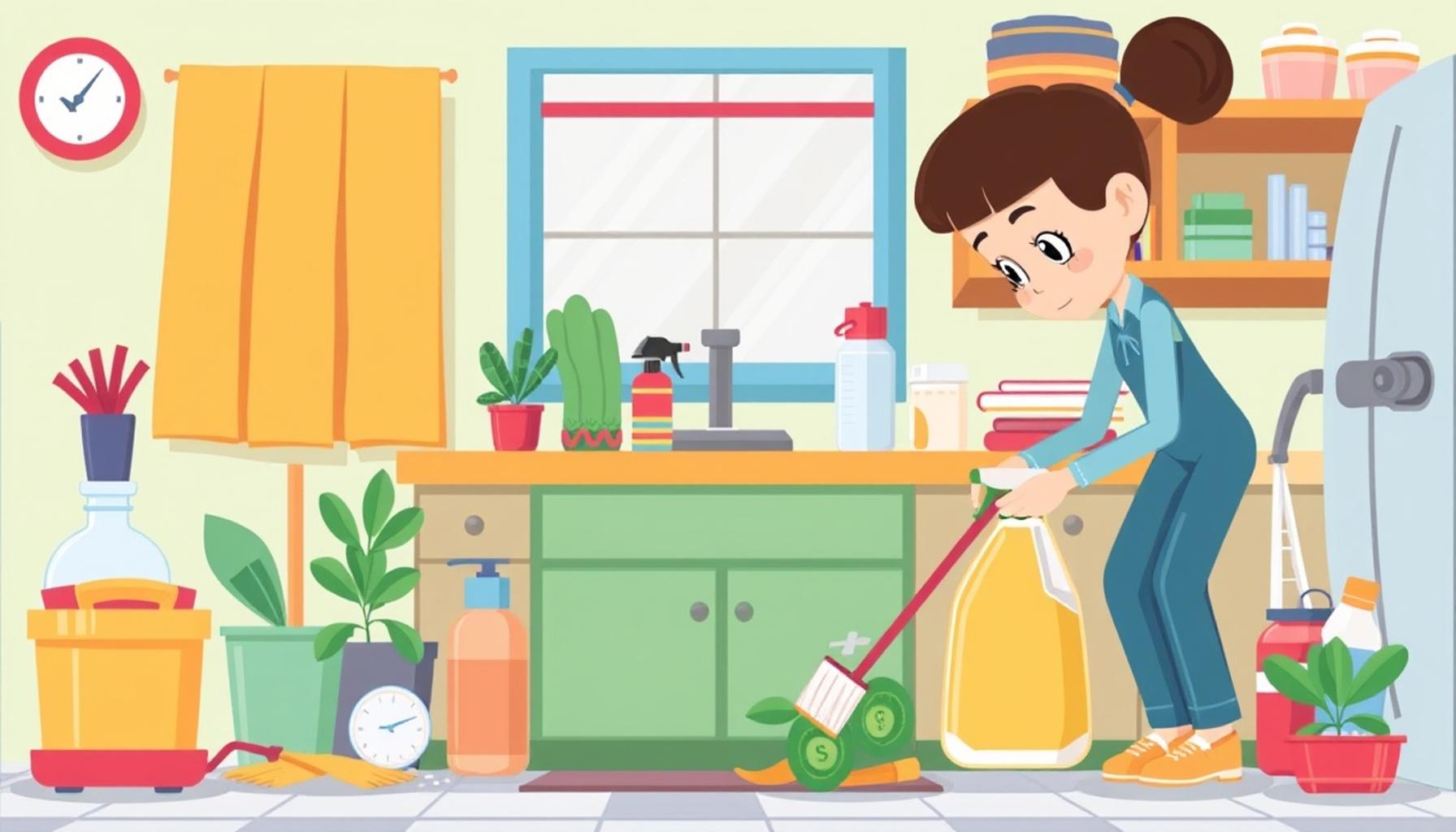
Life can get hectic, especially when balancing family needs and lifestyle demands. A cleaning routine that works for one household may not suit another, leading to frustrations. Understanding your family’s unique needs is essential in crafting a cleaning plan that is practical and efficient.
Consider the following factors when adapting your cleaning routine:
- Number of Family Members: More people often mean more mess! For example, families with multiple children might find that toys are often strewn across the living room, requiring more frequent tidying. Small adjustments, like a daily five-minute cleanup routine before dinner, can help keep the chaos at bay.
- Pets: Pets can add to the cleaning workload, requiring extra attention to fur and dander. For instance, a house with a dog might need regular vacuuming of carpets and upholstery to manage shedding. Incorporating pet-specific cleaning tools, such as lint rollers or a high-efficiency particulate air (HEPA) filter vacuum, can vastly improve cleanliness.
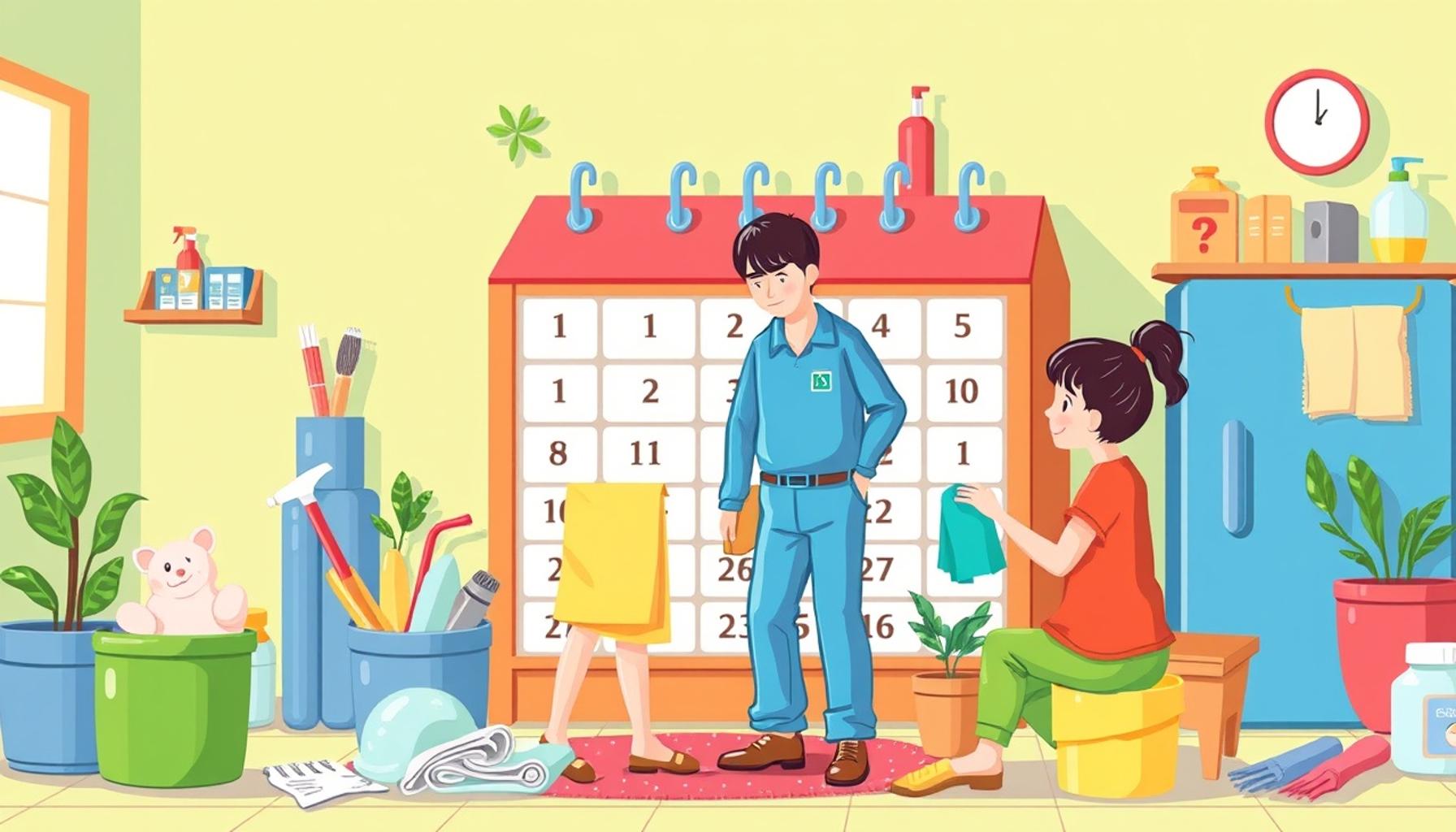
- Work Schedules: Busy schedules can limit time available for cleaning, making smart planning essential. Use a family calendar to block out time for shared cleaning tasks. For example, if Tuesdays are less hectic, dedicate that evening to laundry, dividing the process among family members to create a sense of teamwork and shared responsibility.
Embracing flexibility is key to maintaining an effective cleaning routine. Don’t hesitate to involve all family members in the cleaning process. Assigning age-appropriate chores can not only lighten your load but also teach children valuable life skills. For instance, toddlers can help pick up toys, while older children can take on responsibilities like sweeping or washing dishes. This fosters a collaborative family environment and builds essential habits.
Another important aspect to consider is your lifestyle. Are you a family that enjoys hosting gatherings, or do you prefer quiet evenings at home? Each scenario demands a different approach to cleaning. If hosting is a frequent occurrence, a cleaning schedule that prioritizes deep cleaning weekends or a consistent weekday touch-up may be beneficial. Conversely, those who value serenity may focus on a minimalist approach, reducing clutter for a more peaceful home atmosphere.
As you explore various strategies to personalize your cleaning approach, remember: a routine that truly reflects your family life can lead to a more harmonious home environment. Customizing your routine not only addresses practical needs but also enhances the quality of family time spent together. Embrace this opportunity to create a space that feels open, inviting, and uniquely yours.
DISCOVER MORE: Click here to learn about eco-friendly cleaning tools
Crafting a Cleaning Schedule That Works for You
Creating an effective cleaning routine requires awareness of the dynamics within your family. Understandably, what works for one household might not resonate with another. Start by analyzing family habits and preferences. This understanding allows for a tailored cleaning strategy that not only meets your cleaning needs but also complements your lifestyle.
To begin, assess your home’s layout and the typical activities happening within it. High-traffic areas, such as the kitchen and living room, may need cleaning more often than less frequented spaces like guest rooms. Depending on your family’s lifestyle, you may want to consider the following:
- Establish Daily Clean-Ups: For families with children, quick daily clean-up sessions can be a game changer. Designate 15 minutes each evening for family members to tackle their spaces. Setting a timer and making it a fun competition can encourage participation.
- Weekly Deep Cleaning: Schedule dedicated cleaning days based on everyone’s availability. For a family where only weekends are free, consider chunking chores into manageable tasks for different days, so the work doesn’t pile up.
- Monthly Focus Areas: Rotate attention to various rooms each month. Create a checklist of essential tasks, such as cleaning out closets or dusting high shelves in each room. This periodic focus can help maintain overall home condition without overwhelming anyone.
Another central factor to consider is the age and capabilities of your children. Including them in the cleaning routine not only lightens the load but also serves as a vital opportunity for teaching responsibility. Assign age-appropriate tasks: toddlers can put away toys, while school-aged children can help with organizing their personal spaces or even sweeping.
Outside of age-related chores, analyze other lifestyle factors that influence your cleaning needs. If you find yourself frequently hosting get-togethers, your cleaning routine may prioritize swift tidying on the days leading up to an event, while maintaining a base level of cleanliness throughout the week. On the contrary, if your family prefers quiet evenings at home, consider a more relaxed routine that focuses on decluttering and maintaining a serene environment.
Moreover, keeping a versatile cleaning schedule that changes with seasons or family activities is essential. For instance, during the summer months when kids are out of school, it might be easier to integrate larger cleaning projects into playdates or outings. This not only divides the responsibility but could also make cleaning feel less of a chore. Establishing a collaborative cleaning culture within your family can transform this essential task into an opportunity for bonding, making it part of your cherished family routines.
Ultimately, an adaptable cleaning routine reflects not just the physical upkeep of a space, but it is also a manifestation of the values and priorities your family holds dear. By customizing your approach based on your unique lifestyle, you can cultivate a home that is both organized and a true sanctuary for all family members.
| Category | Details |
|---|---|
| Flexibility | Create a routine that easily adjusts to your family’s schedule, allowing for cleaning during low-traffic times. |
| Engagement | Involve family members in the cleaning process to foster teamwork and reduce individual burdens. |
When considering your household’s specific needs, introducing a cleaning schedule that balances efficiency with engagement becomes essential. One effective method to adapt your cleaning routine is to ensure flexibility. By allowing for quick clean-ups during peak family hours, you can maintain an inviting environment without dedicating large blocks of time to deep-cleaning sessions. This approach reduces stress and promotes a harmonious living space, proving beneficial for an active family lifestyle.Equally important is fostering engagement among family members. By actively involving everyone in simple tasks, you not only ease your own workload but also create an atmosphere of shared responsibility. Encourage children to participate with age-appropriate chores—this not only teaches valuable life skills but also strengthens the family bond as you all contribute to a cleaner home. This combination of flexibility and family participation positions your cleaning routine to better fit your unique lifestyle, enhancing both your environment and familial relationships.
DISCOVER MORE: Click here to learn about essential time management tools
Integrating Cleaning into Family Activities
One of the most effective ways to adapt your cleaning routine to a busy family lifestyle is to integrate cleaning tasks into existing family activities. Families often find themselves juggling schedules around work, school, extracurricular activities, and social gatherings. With that in mind, think creatively about how you can combine cleaning with family interaction.
For instance, if your family enjoys cooking together, designate a post-meal cleanup session as a part of the experience. Encourage everyone to pitch in—while one person clears the table, another can wash dishes, and someone else can wipe down countertops. By making cleaning a team effort during enjoyable activities, the burden becomes lighter, and children develop a sense of teamwork and responsibility.
Another practical approach is to leverage technology. Use apps or online tools to create shared cleaning checklists that can keep everyone accountable. Programs like Todoist or even a simple interactive calendar can help outline tasks and allow family members to tick off completed chores. This visual representation of progress can motivate children and adults alike to stay engaged with the cleaning routine.
For families who value daily exercise, consider turning some cleaning tasks into light workouts. Tasks such as vacuuming or sweeping can be turned into fun fitness sessions. You might even encourage family members to race to see who can finish first. This further ties cleaning into a healthy lifestyle, showing that keeping a home tidy does not have to come at the expense of physical activity.
Customizing Cleaning Supplies for Different Needs
Another vital aspect of adapting your cleaning routine is the selection of cleaning supplies. With diverse ages and preferences in a household, having the right tools can significantly affect one’s willingness to participate. For instance:
- Eco-Friendly Products: Some families may prioritize sustainability and health. Look for cleaning supplies that are environmentally friendly and non-toxic—many brands now offer effective solutions that align with green practices, ensuring a safe home for pets and children.
- Age-Appropriate Tools: When involving children in chores, consider using tools made for their size. For example, lightweight brooms or cleaning gadgets specifically designed for smaller hands can make the task more accessible and enjoyable.
- Multipurpose Products: Simplify your cleaning kit with versatile products that save time and space. With options for all-purpose cleaners, you can tackle different surfaces without the need for an exhaustive array of supplies.
In addition, setting up cleaning stations around the house can encourage participation by ensuring that supplies are readily available where they are most needed. By organizing tools and products in convenient locations, your family can tackle quick clean-up tasks without needing to search for equipment, thus maintaining the flow of daily life.
Fostering a Growth Mindset Towards Cleaning
Encouraging a positive attitude towards cleaning can transform the entire experience. Instead of viewing chores as mundane tasks, present them as opportunities for learning and growth. Discuss with your family the importance of cleanliness and how it contributes to a healthy living environment. Sharing fascinating facts about cleanliness or organizing challenges can establish a culture where everyone is more likely to participate.
Additionally, consider creating a reward system to acknowledge contributions and efforts in maintaining a clean home. Incentives, such as extra screen time or special outings, can motivate family members to engage enthusiastically with family cleaning routines.
By integrating cleaning with family activities, customizing supplies, and fostering a positive mindset, you can establish a cleaning routine that aligns seamlessly with your family’s needs and lifestyle while promoting a cooperative and meaningful home environment.
DISCOVER MORE: Click here to learn about the impact of plants on air purification
Conclusion
In conclusion, adapting your cleaning routine to accommodate family needs and lifestyle is not only essential for maintaining a harmonious home but also provides valuable opportunities for bonding and personal growth. By creatively integrating cleaning tasks into existing family activities, you can turn chores into enjoyable experiences that foster teamwork and instill a sense of responsibility in children. Utilizing technology, such as shared cleaning checklists, can enhance accountability and engagement from every family member.
Moreover, customizing your cleaning supplies to suit diverse age ranges and preferences ensures that everyone can participate comfortably. Eco-friendly products, age-appropriate tools, and multipurpose cleaners are all fantastic ways to promote an inclusive environment that values sustainability and practicality. Establishing cleaning stations throughout the house can streamline housekeeping efforts, making it easier for families to maintain a tidy abode amidst their busy schedules.
Finally, cultivating a positive mindset toward cleaning transforms a chore into a shared opportunity for learning. Emphasizing the significance of cleanliness not only enhances the living environment but contributes to overall well-being. Consider implementing reward systems to celebrate your family’s contributions, thereby inspiring further participation. By embracing these strategies, you will not only adapt your cleaning routine more effectively but also create a loving, cooperative home filled with shared responsibilities and meaningful connections.

Linda Carter
Linda Carter is a writer specializing in efficient house cleaning and maintenance. With extensive experience helping readers keep their homes clean, organized, and well cared for, Linda shares practical guidance on cleaning routines, household upkeep, stain removal, and time-saving methods. Her goal is to provide simple tips and effective strategies that make home care easier, faster, and more manageable.